


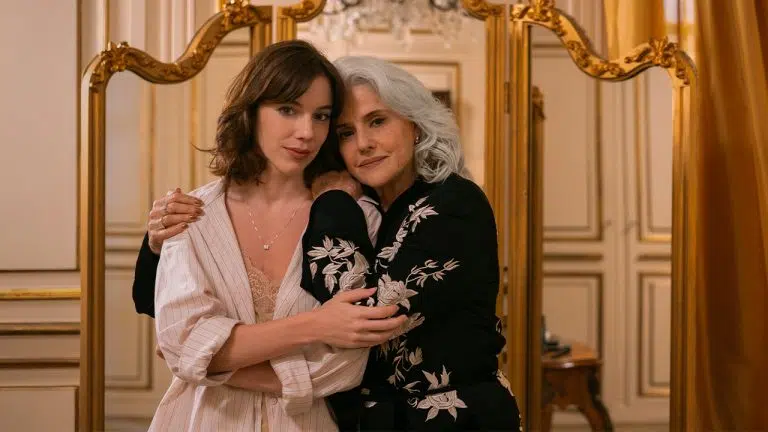
When streaming platforms experiment with genre blends, they sometimes stumble upon narratives that promise intensity but falter in execution. The Gift of Deceit positions itself as a dark, emotionally charged saga where maternal protectiveness morphs into manipulation, only to be further twisted by hidden agendas and crime‑laden intrigue.
Synopsis
Maíra lives under the watchful eye of her wealthy mother, Lúcia—a celebrated art collector whose affection feels more like possession. Their uneasy equilibrium shatters when Lúcia succumbs to a baffling illness, prompting the arrival of Irina, a charismatic spiritual healer. While Irina offers relief, she carries a secret lineage tied to organized crime, turning the household into a battlefield of love, deception, and survival. Across ten roughly forty‑minute episodes, the story toggles between intimate familial conflict and a lurking underworld conspiracy, always threatening to tip Maíra toward either liberation or entrapment.
The Gift of Deceit – the central thread remains the fraught mother‑daughter bond; external threats merely amplify the inner turmoil already simmering beneath the surface.
Performances
Marieta Severo delivers a chillingly convincing Lúcia, blending aristocratic poise with an unsettling need for dominance. Her portrayal walks the tightrope between caring guardian and controlling tyrant, making the character simultaneously repellent and pitiable. Opposite her, Alice Wegmann captures Maíra’s struggle for autonomy with raw authenticity; her frustration, yearning, and occasional defiance feel lived‑in rather than staged.
Nanda Costa shines as Irina, weaving sensuality and menace into a performance that keeps viewers guessing whether she is savior or saboteur. The chemistry between Severo and Wegmann anchors the series, providing moments of genuine emotional resonance that occasionally eclipse the more sensational plot beats. Supporting turns from José de Abreu, Felipe Camargo, and Luciana Paes enrich the tapestry, though several secondary figures remain underutilized, serving chiefly as plot catalysts.
Behind the Lens
Directed by Gabriela Amaral Almeida, Mauro Mendonça Filho, and Daniela Carvalho, the series boasts competent visual storytelling—tight interiors echo the claustrophobic atmosphere of the Rossetti household, while sleek, high‑contrast lighting underscores the glossy veneer of wealth versus the shadowy undertones of crime. The cinematography shifts fluidly between intimate close‑ups during confrontations and wider shots that reveal the opulent art‑filled mansions, reinforcing the thematic clash between beauty and deceit.
Nevertheless, the narrative ambition occasionally outpaces the direction. Rapid-fire twists are inserted to sustain momentum, yet they often feel mechanical, sacrificing character depth for shock value. Editing favors a brisk tempo, leaving little room for the quieter, introspective scenes that could have solidified the psychological core of the drama.
Final Verdict
The Gift of Deceit presents a compelling premise—an exploration of how love can devolve into a suffocating grip—but the execution leans heavily on melodramatic escalation rather than nuanced character study. Strong performances, particularly from Severo and Wegmann, inject genuine emotion into a storyline that frequently resorts to surprise for surprise’s sake. The series entertains fans of telenovela‑style twists, yet viewers seeking a tightly woven psychological thriller may find the constant noise distracting and the resolution unsatisfying.
If you appreciate flamboyant drama laced with familial tension, this Netflix offering will keep you engaged; otherwise, you might wish for a more restrained approach that lets the inherent complexity of its themes breathe.