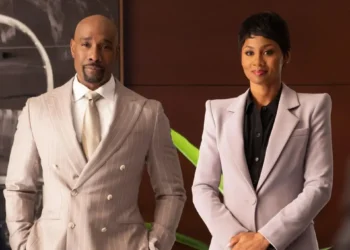



The fourth installment of Reasonable Doubt lands on Hulu with a heightened sense of urgency. Jax Stewart, the tenacious Los Angeles defense lawyer whose personal scars run deep, is thrust back into the courtroom before she feels emotionally equipped to handle it. This season intertwines high‑stakes legal battles with an intimate look at trauma, addiction, and the fragile economics of a boutique law firm. The opening episodes set a tone that is both propulsive and introspective, inviting viewers to weigh professional triumph against personal cost.
Synopsis
When a prominent client’s wife is kidnapped, Jax is called away from a therapy session that had just begun to explore her lingering guilt over a past shooting. The kidnapping case forces her to juggle courtroom strategy, a looming financial crisis at her firm, and her own struggle to regain control after medication dependence resurfaces. As the ransom demand escalates and hidden debts surface, Jax’s colleagues scramble to keep the practice afloat while she confronts the limits of her resilience.
Parallel storylines follow her partner’s battle with ADHD assessment pressures, a new associate’s conflicting loyalties, and the lingering shadows of a courtroom testimony that could redefine her sense of justice. The season balances legal intrigue with raw, character‑driven moments that reveal how work can both shield and expose inner wounds.
Performances
Emayatzy Corinealdi returns as Jax Stewart with a nuanced portrayal that oscillates between fierce courtroom advocacy and quiet vulnerability. Her ability to convey the weight of unsaid trauma through subtle gestures— a clenched jaw during a heated negotiation, a fleeting glance at a pill bottle— adds depth to the legal drama’s procedural core.
Supporting turns are equally compelling. Durrell “Tank” Babbs as Eric Cropper delivers a layered performance, shifting from desperate husband to morally ambiguous businessman, keeping the audience guessing about his true motives. Morris Chestnut shines as Corey, the idealistic associate whose earnestness clashes with the harsh realities of keeping a struggling firm solvent. The ensemble’s chemistry fuels the series’ emotional beats, making the interpersonal conflicts feel as urgent as the legal ones.
Behind the Lens
Creator Raamla Mohamed and the writing team continue to blend procedural rigor with character‑driven storytelling. The cinematography employs tighter framing during therapy and hospital scenes, contrasting with wide, kinetic shots in the courtroom to mirror Jax’s internal oscillation between confinement and liberation.
The soundtrack, curated by Adrian Younge, Ali Shaheed Muhammad, and Lawrence Mace uses sparse piano motifs to underscore moments of introspection, while escalating tension in the kidnapping arc is amplified by low‑drone synths. Editing choices—particularly the rapid cross‑cuts between Jax’s medication routine and the ransom negotiation—heighten the sense that her personal battles are inseparable from her professional ones.
Notably, the production design of the firm’s office reflects its precarious state: half‑filled shelves, dim lighting, and a makeshift meeting area hint at the financial strain that underpins much of the season’s drama.
Final Verdict
Reasonable Doubt Season 4 succeeds in delivering a legal thriller that is as much about the cost of survival as it is about winning cases. Jax’s premature return to work feels inevitable given the firm’s looming insolvency, and the series treats that decision not as a simple flaw but as a symptom of systemic pressure. The kidnapping plot supplies genuine suspense, while the subplots—addiction, family strain, and ethical ambiguity—provide the emotional gravitas that elevates the show beyond procedural fare.
Minor hiccups appear in the prescription storyline, which at times feels overly explicit, and Corey’s authority to make firm‑altering decisions could benefit from clearer justification. Nevertheless, the season’s strongest asset remains its willingness to let professional victories coexist with personal setbacks, creating a portrait of resilience that is both authentic and compelling.
For viewers who appreciate legal dramas that probe the psyche of their protagonists as rigorously as they examine the law, Reasonable Doubt Season 4 is a worthy continuation—one that leaves you contemplating the thin line between duty and self‑preservation long after the credits roll.