


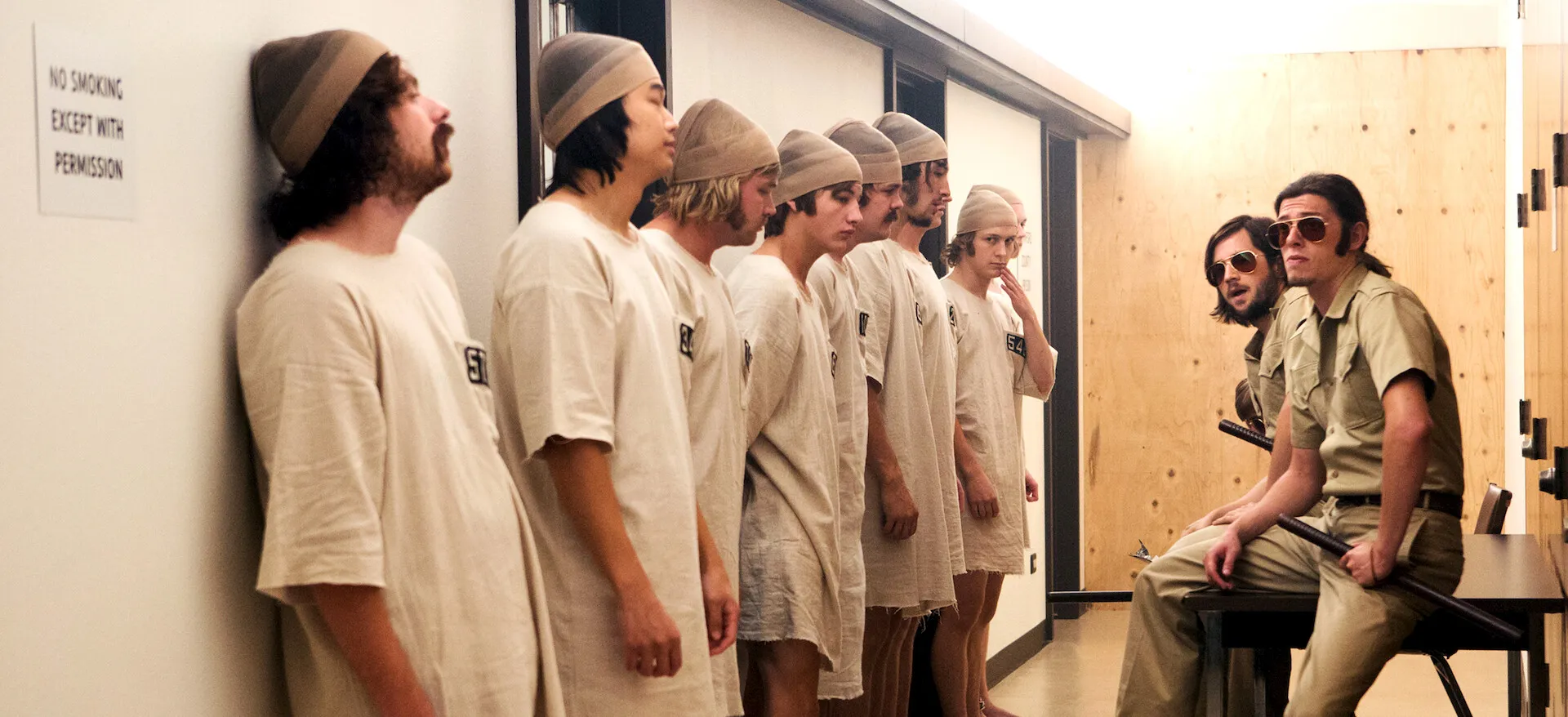
Netflix continues to push the envelope with unscripted programming, and its latest announcement has already ignited a firestorm of online commentary. The streaming giant revealed plans for The New Stanford Prison Experiment, a reality‑based series set to debut on October 21. The show will place thirty volunteers inside an actual correctional facility, randomly assigning them the roles of guard or inmate, then observing whether ordinary individuals succumb to authoritarian tendencies or retain their moral compass under pressure.
The concept directly revokes one of psychology’s most controversial studies. In 1971, Philip Zimbardo’s Stanford Prison Experiment demonstrated how quickly simulated guards could become abusive, leading to the study’s abrupt termination after just six days. Since then, the episode has served as a cautionary tale in research ethics, frequently cited in textbooks and ethics boards as an example of what happens when oversight fails.
Netflix’s earlier foray into carceral storytelling, Unlocked: A Jail Experiment, followed real inmates in an Arkansas detention center as a sheriff tested a liberal‑granting program. While that docuseries provoked its own ethical discussion, the upcoming project takes the premise further by explicitly recreating the infamous laboratory scenario, albeit with informed, consenting participants.
According to Variety, the series will consist of six 45‑minute episodes produced by Alfred Street Industries. Executive producer Jane Lipsitz defended the decision, noting that despite the original experiment’s grave ethical shortcomings, it poses a timeless question: “How does power affect ethical choices?” She described the shoot as “one of the most intense, exhilarating—and definitely nail‑biting—experiences we’ve ever had,” praising Netflix for backing a venture willing to confront uncomfortable truths.
Social media reaction has been swift and polarized. Critics argue that broadcasting a modern version of a study condemned for its cruelty trivializes the lessons it was meant to teach. One Twitter user remarked that the original study’s sole purpose was to warn against repetition, while another quipped that Netflix seems intent on stretching the controversy to at least eight episodes, even though the first season will contain six. Supporters, meanwhile, contend that the series could foster meaningful dialogue about authority, conformity, and rehabilitation—especially because participants are volunteers who fully understand the risks involved.
The original study has previously been adapted for screen. A dramatized feature film appeared in 2015, and a documentary series titled The Stanford Prison Experiment: Unlocking the Truth debuted in late 2024, featuring former subjects reflecting on their experiences alongside reenactments. Netflix’s version distinguishes itself by employing a real prison setting and emphasizing the lived, unscripted reactions of contemporary volunteers.
Whether The New Stanford Prison Experiment will responsibly examine the unsettling dynamics that made Zimbardo’s work infamous—or merely sensationalize them for entertainment—remains to be seen. As the premiere date approaches, the conversation surrounding the ethics of reality television, the limits of consent, and the enduring allure of power studies shows no sign of abating.