


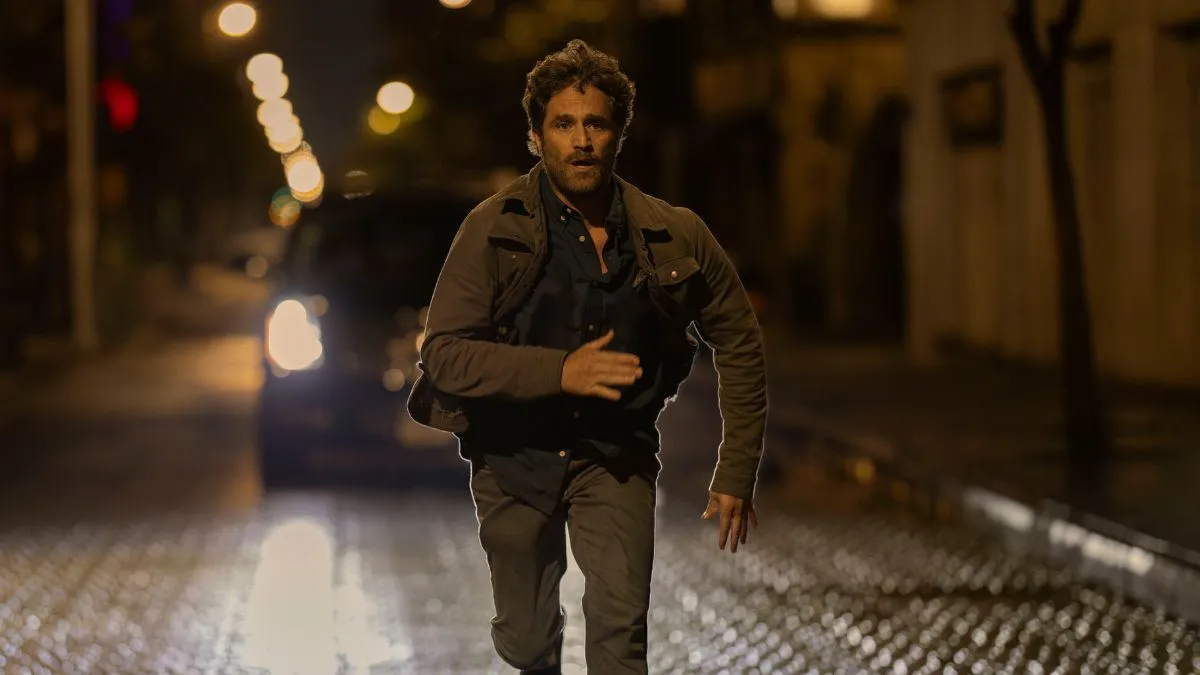
Netflix’s latest offering, Inside the Circle, arrives as a tightly wound political thriller that balances high‑stakes intrigue with an intimate exploration of loyalty. Directed by Alejandro Lozano and Bernardo De la Rosa Villarreal, the eight‑episode series adapts Jorge Zepeda Patterson’s novel and unfolds over roughly 45‑minute instalments. While the premise hints at a classic corruption conspiracy, the show’s true strength lies in how it pressures a quartet of childhood friends—Tomás, Amelia, Jaime, and Mario—to confront whether decades of trust can survive when the truth becomes a weapon. This review breaks down the series into its core components, offering a spoiler‑free synopsis, performance highlights, a look behind the camera, and a final verdict for general readers seeking their next binge.
Synopsis
The story ignites when Tomás obtains a mysterious video linked to the recent death of Pamela, a figure whose sudden demise initially appears unrelated to politics. As the clip spreads, it uncovers connections to powerful figures, pulling Tomás and his close circle into a web of national security threats, covert alliances, and relentless pressure. What begins as a questionable decision spirals into a dangerous game where information itself becomes currency. The series avoids a straightforward whodunit; instead, it follows the friends as they navigate shifting loyalties, personal dilemmas, and the creeping suspicion that the people they’ve known forever may be hiding their own agendas. Throughout, the narrative stays focused on the emotional fallout of betrayal rather than merely exposing the mechanics of the conspiracy.
Performances
Michel Brown delivers a nuanced portrayal of Tomás, capturing his evolution from bewildered everyman to a man pushed to the edge of desperation. His performance avoids the trope of the heroic investigator, instead emphasizing vulnerability and the weight of unintended consequences. Zuria Vega shines as Amelia, grounding the series with an emotional core that feels earned rather than reactive. Vega’s subtle shifts convey years of shared history, making her bond with the other three characters palpable.
Osvaldo Benavides and Raúl Briones, as Jaime and Mario, provide steady counterpoints; their chemistry with Brown and Vega enriches the group scenes, especially when private conversations are thrust into the public eye. The ensemble’s natural rapport—evident in the way they finish each other’s sentences and rely on unspoken understanding—heightens the tension whenever external forces intrude. Supporting turns by Andrés Revo, Saúl Lisazo, Peter Theis, Diego Sandoval, and Carlos Gueta add texture without distracting from the central friendship dynamic.
Behind the Lens
Visually, Inside the Circle distinguishes itself through deliberate cinematography that alternates between tight, intimate frames and expansive shots of the political landscape. Close‑ups linger on facial expressions during whispered exchanges, allowing viewers to feel the immediacy of each revelation, while wider angles underscore the looming presence of opaque power structures. The lighting shifts from warm, nostalgic tones in flashback scenes to cooler, harsher palettes as the conspiracy tightens its grip, mirroring the characters’ internal states. Sound design further amplifies the tension; subtle underscoring swells during moments of exposure, and the occasional silence after a loaded line speaks volumes. The editing maintains a brisk pace, yet it knows when to linger—particularly in sequences where the friends confront the fallout of a leaked video—ensuring that the audience absorbs both the plot’s momentum and its emotional weight.
Final Verdict
Inside the Circle succeeds where many political thrillers falter by placing human relationships at the forefront of its narrative. While the plot occasionally feels overcrowded, jumping between corruption schemes, personal secrets, and looming threats, the series regains its footing whenever it returns to the core quartet. The show does not reinvent the genre, nor does it offer shocking twists that redefine expectations; however, its strength lies in the authentic portrayal of lifelong friendship strained by invisible forces. Michel Brown’s grounded lead performance, paired with Zuria Vega’s emotionally resonant turn, elevates the material beyond standard fare. Visually, the series is polished, using cinematography and sound to heighten both suspense and intimacy.
For viewers who appreciate a thriller that asks not just “who is behind the curtain?” but “what happens to trust when the curtain is ripped away?” Inside the Circle offers a compelling, binge‑worthy experience. If you enjoy politically charged dramas that prioritize character depth over relentless action, this Mexican Netflix original merits a spot on your watchlist.