


Premise and Production
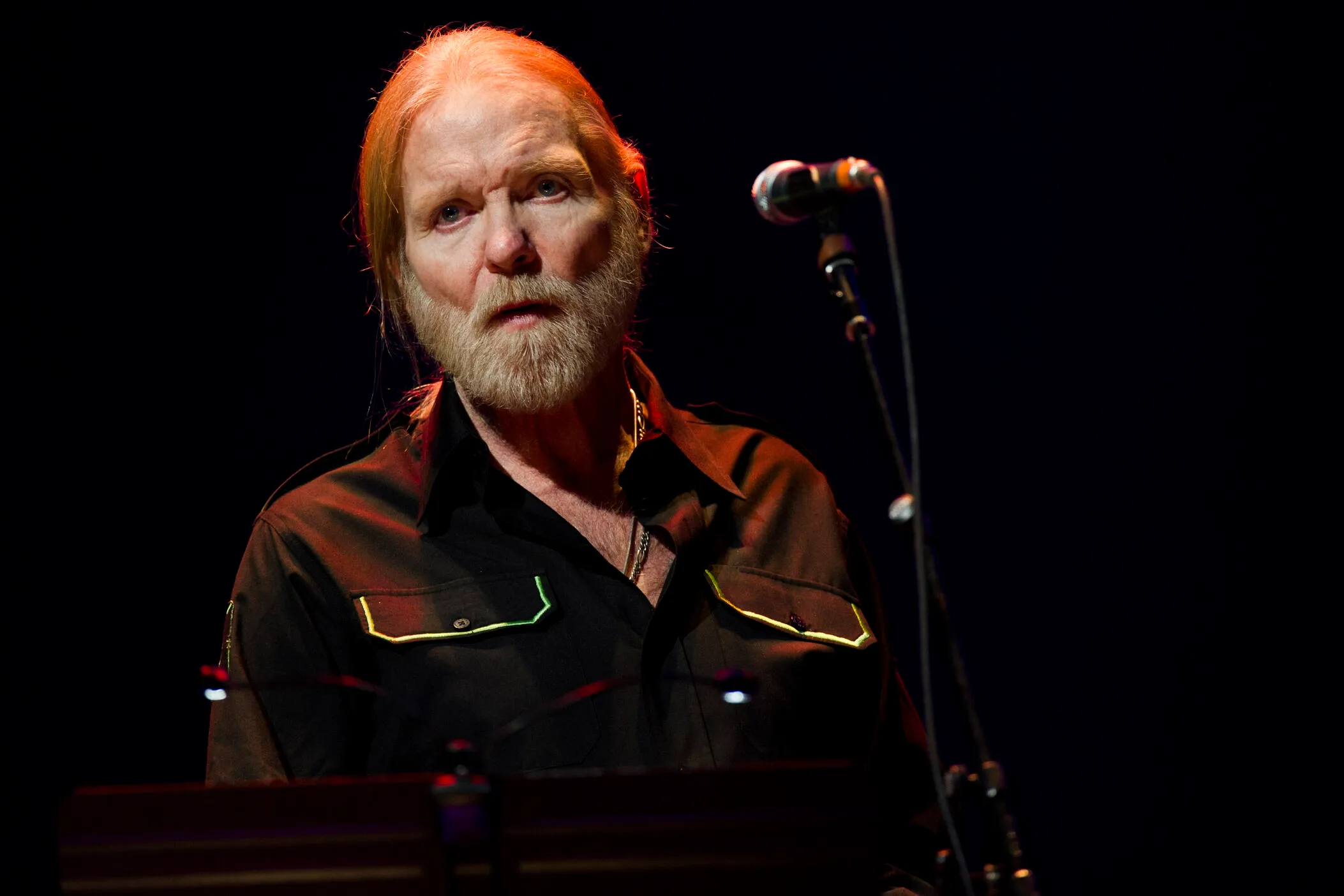
The new feature Gregg Allman: The Music of My Soul opened nationwide on June 17, 2026, distributed by Subtext in partnership with Rolling Stone Films. Director James Keach, known for reviving other music icons such as Glen Campbell, David Crosby, and Linda Ronstadt, crafts a 96‑minute portrait that leans heavily on a once‑secret 2014 interview with the late singer‑songwriter. By weaving that intimate conversation with archival footage and fresh recollections from family and colleagues, the film aspires to resurrect the man behind the myth.
Personal Journey Through Tragedy
Gregg Allman’s narrative is punctuated by devastating personal events. His father was murdered when Gregg was still a boy, a trauma that set the tone for a lifetime of loss. The most heart‑wrenching blow came in 1971, when his brother Duane Allman died in a motorcycle accident in Macon, Georgia—only a year after Berry Oakley suffered a similar fate a few blocks away. The documentary does not shy away from these moments, showing how the Allman Brothers Band turned grief into relentless touring and recording.
The Power of the 2014 Interview
The centerpiece of the film is the unaired interview recorded near the end of Allman’s life. In it, he speaks with a frankness that feels almost prophetic, addressing topics he had previously kept private. One striking recollection is his hazy memory of the 1995 Rock and Roll Hall of Fame induction—an evening he barely recalls because of substance abuse. He later watched the footage and realized how close he had come to disappearing entirely. The interview also reveals his evolving perspective on Duane’s death: from anger about the years stolen to a resigned acceptance that his brother simply “had a blast and went.”
Band Dynamics and Loss
Beyond personal tragedy, the documentary examines the band’s internal chemistry. The Allman Brothers Band became a vessel for collective mourning, turning sorrow into anthems such as “Whipping Post.” The film acknowledges the band’s stamina, noting that after two members died in rapid succession, they continued to perform—essentially using music as the only language capable of expressing grief that large.
Reflections on Grief and Redemption
Keach chooses to highlight certain relationships while omitting others. A substantial segment focuses on Allman’s marriage to Cher, while several of his seven wives and some children remain absent from the frame. The film includes a candid moment where Allman states that his final marriage to Shannon was the only “real” one because it coincided with sobriety—a statement the documentary lets stand without probing the implications for his earlier unions.
Moments of raw honesty appear when Allman’s son, Devon, admits that his father’s silence was itself an apology, and when Jackson Browne observes Allman reshaping the song “These Days” into a bluesier, more mournful version. These unscripted exchanges let the audience sense the depth of Allman’s inner conflict without attempting to neatly package it.
Final Verdict
Gregg Allman: The Music of My Soul knows where the emotional graves lie, yet it often walks past them with eyes lowered, smoothing grief into a linear biography. The documentary’s most compelling material surfaces in the 2014 interview and in the private admissions of family members. While the film captures the essence of a tortured artist, it stops short of fully confronting the full spectrum of his failures and successes. The result is a respectful, sometimes restrained, portrait that still resonates—though it feels slightly smaller than the monumental life it attempts to honor.