

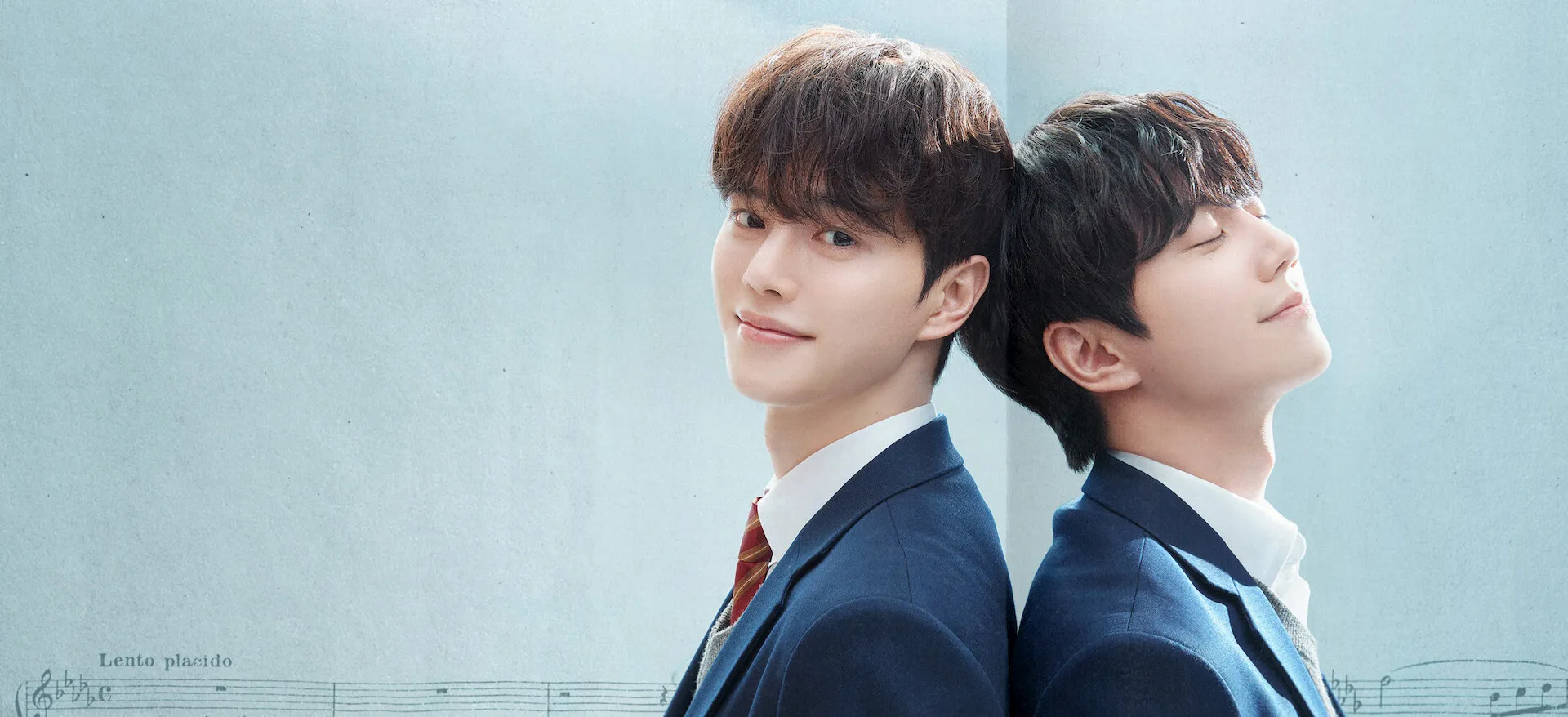
Four Hands, Two Sonatas arrived on tvN and Netflix on August 29, 2026, instantly drawing attention for its blend of elite‑school drama, classical piano, and a slow‑burn rivalry that morphs into something far more intimate. Set inside a prestigious arts high school, the series follows two prodigious pianists whose contrasting backgrounds fuel both competition and, eventually, collaboration. This review unpacks how the show uses the four‑hand piano format as a narrative engine, examines the performances that bring the story to life, glances behind the camera, and offers a final verdict for viewers wondering whether the series hits the right notes.
Synopsis
The narrative opens with a stark flash‑forward to 2017: Kang Pi‑o, a technically flawless pianist, performs with a bleeding finger while his rival, Choi Jeong‑yo, is kidnapped, shot, and disappears into water. This haunting preview colors every later interaction between the two former teenage adversaries. Pi‑o, a prodigy shaped by his grandfather’s conditional approval, masks a deep craving for validation with arrogance and relentless perfection. Jeong‑yo, burdened by his father’s debt and forced into menial labor, sees music as a possible escape but is crippled by stage fright and familial trauma.
As the series progresses, their antagonism gives way to tentative collaboration. A shared injury, a candle‑lit rehearsal space, and countless hours of four‑hand practice force each boy to listen—not just to the music, but to the other’s vulnerabilities. Their joint performances become a mirror for personal growth, revealing how talent, insecurity, and class‑based pressure intertwine. Adult figures—Ji‑ye, Professor Seo, Seon‑joo, Hyun‑soo, Jae‑in, and Jang Gyu‑ri—shape their trajectories, sometimes shielding, sometimes pushing, and often using the duet as a deliberate intervention to break down Pi‑o’s perfectionism and give Jeong‑yo a steadier stage presence.
Performances
The heart of Four Hands, Two Sonatas lies in its musical sequences. Song Kang delivers a nuanced portrayal of Pi‑o, balancing icy precision with fleeting moments of raw need. Lee Jun‑young captures Jeong‑yo’s quiet desperation and gradual emergence from fear, especially in scenes where his trembling hands finally find confidence on the keys. The duet scenes—whether the stark, metronome‑driven practice or the warm, candle‑lit improvisations—are choreographed to showcase the technical demands of four‑hand piano while simultaneously exposing the characters’ emotional states.
Supporting cast members provide solid grounding: Hyun‑soo’s perceptive teacher role feels authentic, and the adult antagonists avoid caricature, instead offering believable motivations that drive the protagonists’ choices.
Behind the Lens
Directed by an adept hand familiar with both musical storytelling and teen drama, the series employs a visual language that mirrors its thematic contrasts. Cold, sterile corridors of the academy are juxtaposed with intimate, amber‑toned rehearsal rooms, reinforcing the shift from isolation to connection.
Cinematographer Park Min‑soo uses tight close‑ups on fingers dancing across the ivory, turning technical prowess into a visual metaphor for emotional exposure. The editing rhythm often follows the tempo of the pieces being played, creating a seamless interplay between image and sound.
The sound design deserves special mention; each note is recorded with clarity, allowing the audience to hear the subtle shifts in dynamics that signal changes in the boys’ relationship. Production design highlights the socioeconomic divide: Pi‑o’s pristine practice spaces versus Jeong‑yo’s cramped, makeshift corners. These details enrich the narrative without overt exposition, letting the music and setting do much of the storytelling.
Final Verdict
Four Hands, Two Sonatas succeeds where many musical dramas falter: it treats the piano not merely as backdrop but as an active character that reveals inner truths. The rivalry‑to‑relationship arc feels earned, bolstered by strong performances from Song Kang and Lee Jun‑young and a thoughtful directorial approach that marries technical precision with emotional resonance.
While certain plot points veer into melodrama—particularly the adult scheming and occasional bullying beats—the core of the series remains its music‑driven intimacy. For viewers who appreciate a blend of classical artistry and teen angst, this series strikes a resonant chord.