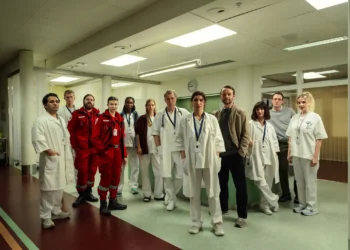



Mike Flanagan’s latest foray into Stephen King’s world arrives on Amazon Prime Video on October 7, 2026. The eight‑part miniseries re‑imagines the classic tale of Carrie White, a shy teenager blessed—and cursed—with telekinetic abilities, as she navigates the treacherous waters of high‑school bullying, familial oppression, and the lurking promise of a catastrophic prom night. While the premise is familiar, Flanagan’s approach leans heavily on character depth, using the supernatural as a mirror for very human anxieties. This review unpacks what works, where the series stumbles, and why it still manages to feel fresh despite its literary pedigree.
Synopsis
Carrie White has spent most of her life sheltered by a domineering, religious mother. When circumstances force her into public school, she discovers both the joy of friendship and the sting of relentless cruelty. As her telekinetic powers begin to surface, the pressure mounts from classmates, a hostile home environment, and the looming spectacle of the school prom. The series follows two parallel trajectories: Carrie’s tentative steps toward self‑acceptance and the unraveling of Chris Hargensen, whose own insecurities fuel a dangerous obsession. Their intertwined stories create a tense backdrop that questions how far trauma can push a person before the inevitable breaking point.
Performances
Summer H. Howell delivers a nuanced portrayal of Carrie, balancing wide‑eyed wonder with a quiet resilience that makes her journey believable. Rather than depicting innocence as naiveté, Howell shows a girl who actively seeks connection while remaining aware of the dangers lurking around her.
Alison Thornton’s Chris Hargensen is equally compelling; she oscillates between remorse and relish, giving the antagonist a layered humanity that prevents her from becoming a cartoonish villain. Thornton’s ability to convey contempt and vulnerability in the same scene adds tension to every interaction with Carrie.
Samantha Sloyan’s Margaret White brings a fervent, almost zealous protectiveness that gradually frays under the pressure of modernity—social media, school drills, and an expanding worldview. The supporting cast, including Matthew Lillard’s wry Principal Grayle and the earnest Sue Snell and Tommy Ross, provides necessary levity and moral counterpoints, enriching the overall texture without overshadowing the central duo.
Behind the Lens
Flanagan’s direction emphasizes atmosphere over gratuitous shock. The use of vacant lots for Carrie’s telekinetic training grounds the supernatural in tactile, almost meditative sequences, offering a visual counterpoint to the claustrophobic hallways of Ewen High. The series smartly integrates contemporary anxieties—phone‑captured humiliation, viral gossip accounts, and metal‑detector drills—into the original narrative, demonstrating how technology amplifies age‑old cruelty. The occasional mythological asides, featuring other gifted women and cryptic guidance for Carrie’s powers, expand the lore but occasionally distract from the core character drama.
Cinematography oscillates between muted, oppressive tones during moments of dread and brighter, almost hopeful hues when Carrie experiences genuine connection, reinforcing the thematic push‑pull between isolation and belonging. Sound design deserves mention: low hums and distant whispers underscore the protagonist’s growing power, while the locker‑room scene leverages abrupt, jarring audio to mimic the shock of uncontrolled telekinesis.
Final Verdict
Carrie succeeds when it lets its characters drive the story. Howell’s open‑hearted performance and Thornton’s unsettling yet relatable Chris create a compelling duality that fuels the series’ emotional engine. Flanagan’s protective stance toward Carrie preserves audience sympathy, even as the narrative flirts with the horrifying transformation hinted at in the source material. However, the show’s ambition occasionally outpaces its discipline; repetitive explanations of bullying motives and an expanding supernatural mythology sometimes dilute the tension that the central relationship builds so effectively. The prom episode delivers palpable dread, yet the series shields Carrie from fully embracing the frightening potential it has cultivated, leaving a sense that the ultimate payoff may be reserved for a future season.
Overall, Carrie is a well‑acted, thoughtfully updated adaptation that honors King’s original while probing modern anxieties about power, perception, and the internet’s capacity to distort reality. For viewers who appreciate character‑driven horror with a supernatural twist, this miniseries offers enough substance to warrant a watch—provided they are prepared to linger in the uncomfortable spaces between empathy and terror.
Also Read:
Mike Flanagan Revitalizes Stephen King’s “Carrie” for a New Generation on Prime Video