


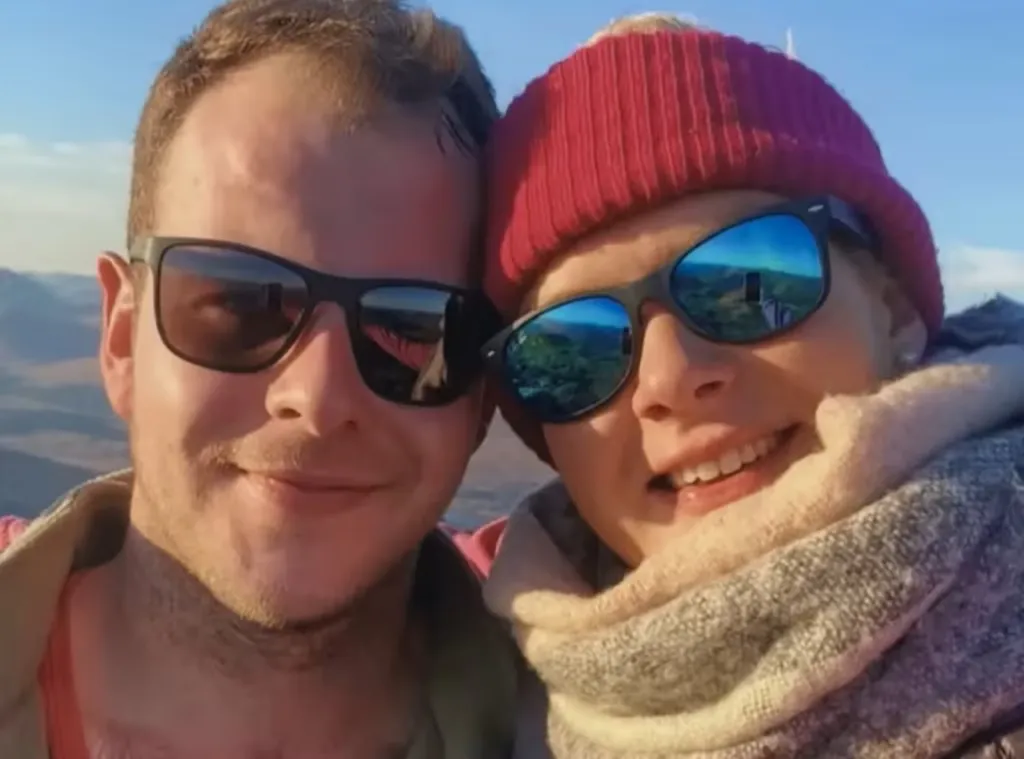
Netflix’s latest foray into the true-crime genre, Should I Marry a Murderer, transcends typical investigative narratives. Under the meticulous direction of Josh Allott, this three-part documentary series offers an emotionally charged and deeply unsettling exploration of love, betrayal, and an unimaginable moral dilemma. Each episode, approximately 50 minutes long, centers on the real-life ordeal of forensic pathologist Caroline Muirhead, whose world is irrevocably shattered by a chilling revelation.
From Romance to Revelation: A Sordid Twist of Fate
The series opens with an almost deceptive romantic overture, painting a picture of a burgeoning relationship between Caroline and her charismatic boyfriend, Sandy McKellar. However, this initial veneer of normalcy quickly crumbles when Sandy confesses his involvement in a murder case. It’s a jarring shift that immediately sets Should I Marry a Murderer apart, plunging viewers into an intimate, vulnerable account that feels less like a dry case file and more like a journey into the protagonist’s tormented psyche.
Crucially, Caroline’s own narration forms the backbone of the series, imbuing it with a raw authenticity that is often missing from other true-crime productions. This narrative choice ensures that the audience doesn’t merely observe events but experiences them through Caroline’s eyes, gaining profound insight into her thoughts and emotional landscape.
The Unthinkable Choice: When Love Meets Law Enforcement
The documentary diligently traces Caroline’s initial encounter with Sandy through an online dating platform, their whirlwind romance, and the subsequent, bewildering decision to overlook early warning signs. What struck me most powerfully was the documentary’s refusal to hastily judge Caroline’s choices. Instead, it meticulously unpacks the complex reasons behind her actions, offering a nuanced perspective on how even an intelligent and discerning individual can become entangled in such a nightmarish scenario. The narrative takes an even darker turn when Sandy eventually divulges his role in the hit-and-run murder of Tony Parsons.
At this juncture, the focus subtly shifts from the mechanics of the crime itself to the immense psychological pressure bearing down on Caroline. Rather than fleeing the impossible situation, she makes an astonishing and perilous decision: to cooperate with the police by secretly gathering evidence, all while painstakingly maintaining her relationship with Sandy. Witnessing this dangerous tightrope walk unfold is both captivating and profoundly disturbing, as a pervasive sense of dread accompanies Caroline’s every calculated move.
Masterful Storytelling and Unrelenting Tension
The storytelling in Should I Marry a Murderer is nothing short of efficient and compelling. Across its three concise episodes, there’s no wasted moment, no narrative drag. Each installment expertly layers new information, gradually intensifying the emotional stakes and building a palpable tension that mirrors Caroline’s internal struggle – outwardly calm, yet inwardly fraught with anxiety. This personal, deeply human narrative grounds the series in a stark realism, even as the events themselves border on the unbelievable.
However, where the documentary truly leaves an indelible mark is in its unflinching portrayal of the psychological impact on Caroline. It spares no details in showing the devastating extent to which her mental well-being deteriorates. As she navigates her dual role, assisting the police while living alongside her partner, she descends into an anxiety-ridden state, resorting to negative coping mechanisms. This segment is undeniably difficult to watch but carries immense emotional weight, highlighting the profound personal cost of her extraordinary bravery.
A Few Cracks in the Narrative
While largely successful, the documentary isn’t without its minor flaws. Some of the recreated scenes, though understandable for filling narrative gaps, occasionally feel a little artificial and can be somewhat jarring. Personally, the raw, unstaged footage and interviews proved far more engaging and impactful.
Furthermore, the narrative’s almost exclusive focus on Caroline’s perspective, while contributing to its emotional depth, leaves a desire for a slightly broader viewpoint. Glimpses into the perspectives of the investigating officers, for instance, could have offered additional layers to the story. Perhaps the most frustrating aspect, however, is the perceived lack of adequate security and support provided to Caroline by the authorities handling her case. Witnessing her navigate such extreme danger with seemingly minimal protection is genuinely unsettling and can evoke considerable irritation.
The True Cost of Discovery
Ultimately, Should I Marry a Murderer transcends the conventional true-crime format by prioritizing the human cost of discovery over mere sensationalism. It masterfully illustrates the emotional, psychological, and even physical toll exacted upon an individual forced to make an impossible choice in a situation defying all logic and common sense. This documentary proves to be a captivating and deeply thought-provoking viewing experience, leaving viewers to ponder the true definitions of love, loyalty, and survival.
Also Read:
An Impossible Choice: Inside Netflix’s Gripping New Docuseries, “Should I Marry a Murderer?”