

When a filmmaker captures a nation’s soul through the eyes of a child, the result often transcends borders. Hasan Hadi’s The President’s Cake does exactly that. Premiered at Cannes 2025 and clinching the Camera d’Or for best first feature, the film has moved from festival circuits to streaming platforms, offering international audiences a rare glimpse into 1990s Iraq. This review unpacks why the picture feels both intimate and epic, why its young leads shine, and what makes it a timely piece of cinema for today’s viewers.
Synopsis
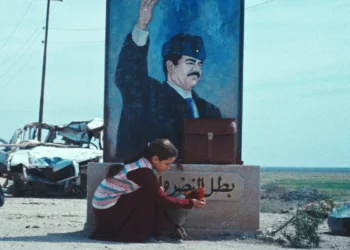
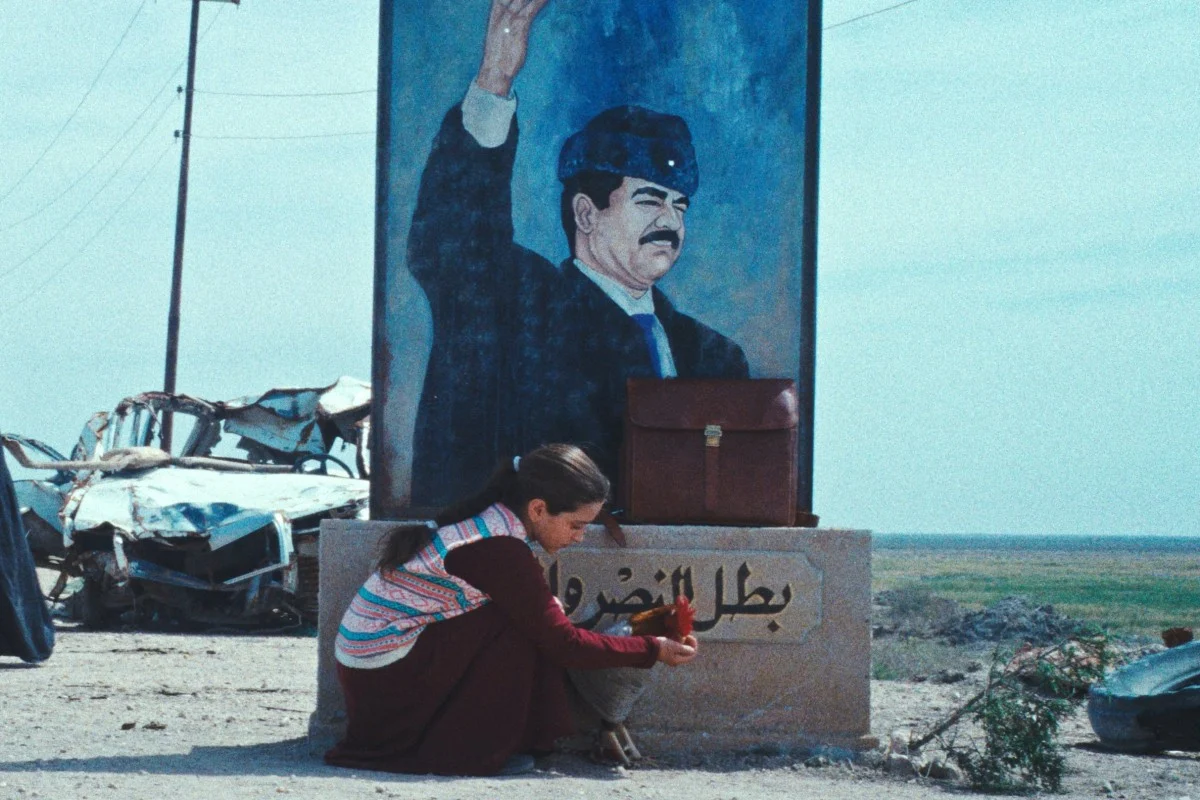
Set in the aftermath of the Gulf War, the story follows a nine‑year‑old girl named Lamia who is tasked by her school to bake a cake for a celebration of Saddam Hussein’s birthday. With her parents gone, she relies on her aging grandmother to scrounge the scarce ingredients—egg, sugar, flour—needed for the assignment. The pair’s journey from the marshes of southern Iraq to the bustling streets of Baghdad becomes a trek through hardship, bureaucracy, and fleeting kindness. Along the way, Lamia teams up with a classmate, Saeed, who shares a similar quest for fruit. Their innocent mission collides with the harsh realities of sanctions, propaganda, and a fractured society, testing their resilience while preserving a flicker of hope.
Performances
The heart of The President’s Cake beats in the performances of its non‑professional leads, Baneen Ahmad Nayyef (Lamia) and Sajad Mohamad Qasem (Saeed). Despite lacking formal training, both children deliver nuanced portrayals that balance youthful exuberance with a quiet, growing disillusionment. Their chemistry feels natural; glances exchanged amid crowded markets or silent moments by the Tigris convey volumes without dialogue. The film’s final shot—where Lamia and Saeed lock eyes amid ruin—exemplifies how subtle facial cues can echo the larger themes of loss and endurance. Supporting players, especially the grandmother, provide grounded gravitas, reinforcing the sense that every character, no matter how briefly seen, carries the weight of a nation’s struggle.
Behind the Lens
Director Hasan Hadi assembled an almost entirely amateur crew and cast, a necessity born from Iraq’s limited film‑industry infrastructure. Shooting on location in the Mesopotamian Marshes, the ruins of Ur, and Baghdad’s narrow alleys, the cinematography captures both the stark beauty and the desolate texture of the landscape. Orange‑blue twilight over the marshes offers a poetic contrast to the grim, sepia‑toned streets of the capital. The framing of military checkpoints against the ancient Ziggurat of Ur feels both striking and symbolic, while bustling market scenes resemble a travelogue, reminding viewers that life persists even amid deprivation. The score, sparse yet evocative, leans on traditional Iraqi motifs, underscoring the film’s cultural authenticity without overpowering the narrative.
Final Verdict
The President’s Cake is more than a historical drama; it is a tender coming‑of‑age tale set against a backdrop of political turmoil. Hasan Hadi’s debut showcases resourcefulness—a hallmark of Iraqi creativity—turning budget constraints into visual poetry. While the pacing occasionally stumbles with repetitive beats in Baghdad, the film’s emotional core remains steady, anchored by the remarkable child actors who carry the story’s innocence and resilience.
For audiences seeking a film that marries personal intimacy with broader socio‑political commentary, this picture delivers a rewarding, thought‑provoking experience. In an era where echoes of past conflicts reverberate worldwide, The President’s Cake reminds us that hope can endure even when peace hangs by a thread.
The President’s Cake is available on all leading digital platforms including Netflix.