

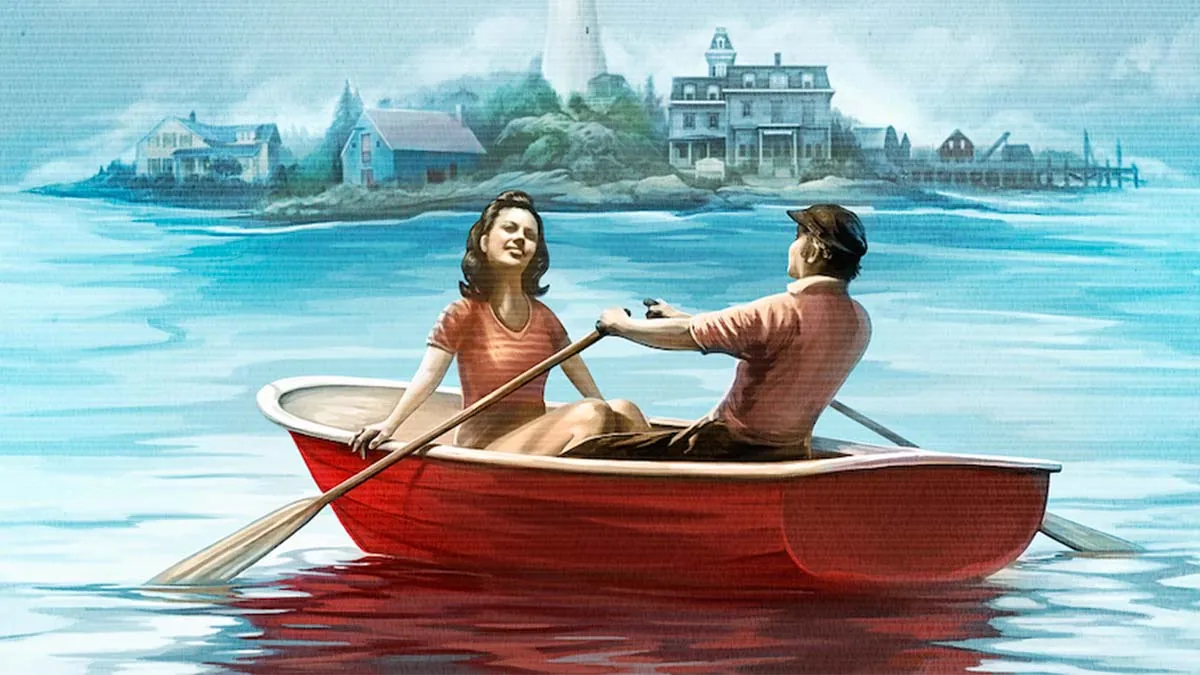
When it comes to television series that successfully merge multiple genres without missing a beat, Widow’s Bay stands out as a masterclass in tonal balance. This Apple TV+ offering takes viewers on an unsettling journey through a remote New England community where the line between terror and comedy blurs so seamlessly that audiences find themselves laughing while on the edge of their seats. The series accomplishes something rare in the horror-comedy space: it feels genuinely fresh while paying homage to classic genre tropes.
Created by Katie Dippold, Widow’s Bay operates on multiple levels. At its core, it’s a story about a dying town desperate for salvation, but beneath the surface lies a exploration of belief, denial, and the collision between tradition and progress. The show doesn’t just rely on jump scares and spooky moments; it digs deeper into the human condition, making it a compelling watch from start to finish.
Story
The narrative centers on Mayor Tom Loftis, portrayed brilliantly by Matthew Rhys, who harbors ambitious dreams of transforming his struggling coastal town into a thriving tourist destination. His enthusiasm, however, meets resistance from locals who insist the town is cursed. What begins as a clash between modern ambition and old-world superstition gradually evolves into something far more sinister as visitors start arriving and dormant horrors awaken.
The storytelling approach is particularly noteworthy. While the basic premise might feel familiar to fans of island-based horror narratives, the execution introduces fresh elements through meticulous folklore development and worldbuilding. The series unfolds gradually, allowing tension to build organically rather than relying on immediate shocks. This pacing might test some viewers’ patience early on, but it pays dividends as the narrative unfolds with increasing complexity.
The thematic layers elevate the experience beyond typical genre fare. The show examines small-town politics, community dynamics, and the struggle of people resistant to change. Tom’s journey from skeptic to believer provides the emotional backbone, while the broader narrative explores how communities respond when faced with existential threats they cannot explain away.
Performances
Matthew Rhys delivers a layered performance that anchors the entire series. His portrayal of a flawed leader grappling with both mundane civic challenges and supernatural phenomena creates an arc that feels both personal and universal. The confusion and eventual determination he brings to the role make Tom an instantly relatable protagonist, and viewers will find themselves genuinely invested in his survival and success.
Kate O’Flynn commands attention in a standout episode that showcases her character’s emotional journey with devastating impact. Her ability to convey vulnerability and strength simultaneously leaves audiences genuinely moved. The episode unfolds with increasing dread, and O’Flynn’s performance elevates what could have been standard horror material into something profoundly affecting.
Stephen Root provides solid support, bringing his signature nuanced approach to his role. The ensemble cast works cohesively to create a community that feels authentic and lived-in, which proves essential for a story centered on collective experience and survival.
Behind the Lens
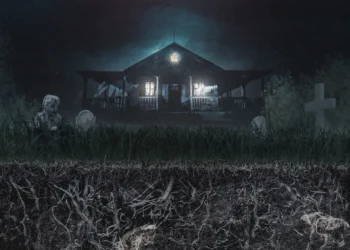
The production successfully creates an atmosphere that feels both grim and darkly comedic, rarely achieved in genre-blending projects. The isolated island setting functions almost as a character itself, contributing to the sense of dread while grounding the more absurdist elements in tangible reality.
Katie Dippold’s direction demonstrates a keen understanding of tonal balance, allowing scenes to transition smoothly between genuine horror moments and character-driven comedy. The writing refuses to commit fully to either extreme, instead crafting something that feels greater than the sum of its parts. This approach might not appeal to viewers seeking pure horror or straightforward comedy, but for those who appreciate hybrid storytelling, it proves immensely satisfying.
The series runs for ten episodes, and while most deliver compelling content, certain installments feel less developed than others. The initial momentum-building phase requires patience, and some viewers might find early episodes slightly slow. However, the overall narrative payoff justifies the investment, with later episodes delivering revelations and character development that reward attentive viewing.
Final Verdict
Widow’s Bay represents a bold and largely successful experiment in genre fusion. It offers viewers something increasingly rare in the current landscape: a show willing to take risks and trust its audience to appreciate complexity. The combination of atmospheric dread, genuine humor, and substantive character work creates an experience that lingers long after viewing.
For enthusiasts of unusual storytelling featuring awkward characters navigating extraordinary circumstances, this series delivers in spades. While the pacing might test some viewers and certain episodes could benefit from further development, the overall package remains engaging and worthwhile. Apple TV+ has positioned itself as a home for ambitious genre projects, and Widow’s Bay reinforces that reputation.
Rating: Highly Recommended for fans of horror-comedy and atmospheric storytelling.