

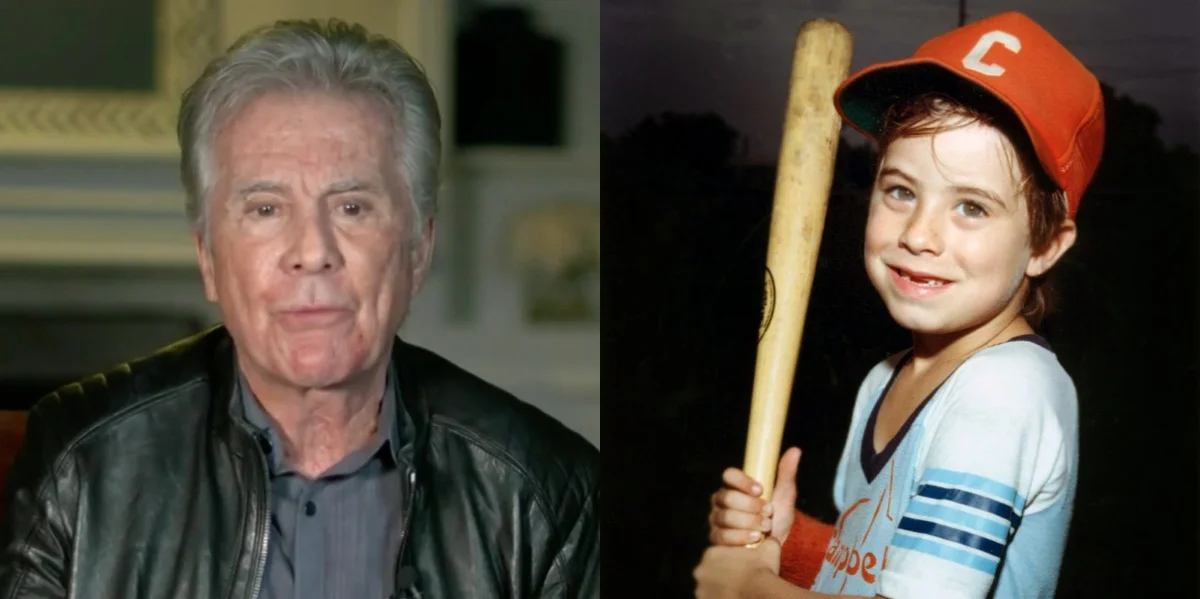
In the summer of 1981, a routine trip to a Sears store in Hollywood, Florida, turned into a nightmare that would reshape how America confronts child abductions. Six‑year‑old Adam Walsh vanished from the toy aisle, and two weeks later his severed head was discovered in a drainage ditch miles away. The brutality of the crime stunned the nation and ignited a lifelong crusade by his parents, John and Réve Walsh, to protect other families from similar loss.
The Abduction and Immediate Aftermath
On July 27, 1981, Réve Walsh left Adam playing with a group of boys while she searched for a lamp. When she returned, the boy was gone. Store security later claimed they had escorted the boys out, mistakenly believing Adam was with them—a detail that left the Walshes wondering whether he had already been taken outside.
An exhaustive in‑store search and police investigation yielded no leads. Desperate for publicity, the Walshes reached out to Good Morning America host David Hartman through a mutual friend. Hartman aired Adam’s photograph, and two weeks later the family appeared on the show to plead for help.
The Horrifying Discovery
While in New York for the television appearance, John and Réve received the devastating news: Adam’s severed head had been found in a canal near Vero Beach, roughly 120 north of the mall. John later recalled the moment to PEOPLE magazine, saying, “[Losing him] broke my heart; it almost killed me.” The grief was overwhelming, but it also sparked a resolve to turn sorrow into systematic change.
The Prime Suspect: Ottis Toole
Ottis Toole, a convicted murderer and associate of notorious serial killer Henry Lee Lucas, confessed to abducting and killing Adam. According to the Sarasota Herald‑Tribune, Toole claimed he struck the boy when he would not stop talking. Days later he recanted, yet he repeatedly insisted he was responsible.
Police noted a pattern: Toole had previously confessed to and withdrawn statements on other crimes, but both investigators and the Walshes remained convinced of his guilt. In a taped interview with the Texas Rangers, Toole described Adam as the youngest victim he had ever harmed (ABC News).
Toole died in 1996 from liver failure while serving a life sentence for unrelated offenses. Although he was never formally charged in Adam’s case, the Hollywood Police Department announced in December 2008 that the investigation was closed and that Toole was believed to be the perpetrator.
Lingering Questions and Alternative Theories
Despite the official conclusion, speculation persisted. In March 2010, a report suggested witnesses had seen serial killer Jeffrey Dahmer with Adam on the day of the disappearance. Dahmer, then residing in Miami Beach—about 20 miles from the mall—denied any involvement, and the claim never gained substantive evidence.
To this day, the remainder of Adam’s body has never been recovered, leaving a painful void for his family. John Walsh later revealed that Toole had written him a letter in 1988 demanding $5,000 for information on the location of the rest of Adam’s remains—a request that went unanswered.
Police Missteps and Accountability
The Walshes have long criticized the initial handling of the case, alleging that the Hollywood, Florida, police department did not treat the missing‑person report with sufficient urgency and mishandled evidence. When the case was finally closed in 2008, Police Chief Chadwick Wagner apologized to the family, acknowledging investigative shortcomings.
Turning Grief into Advocacy
The tragedy motivated John and Réve to channel their anguish into concrete action. In 1984 they co‑founded the National Center for Missing & Exploited Children (NCMEC), an organization that now serves as a national clearinghouse for resources, tip lines, and advocacy.
They also helped draft the Adam Walsh Child Protection and Safety Act, signed into law by President George W. Bush in 2006. The legislation expanded federal powers to track sexual offenders, mandated stricter background checks, and provided funding for state‑level child‑protection programs.
Code Adam: A Simple Yet Powerful Tool
One of the Walshes’ most practical innovations is “Code Adam,” a free protocol designed to help retailers, amusement parks, airports, and other public venues locate missing children swiftly. Launched in Walmart stores in 1994, the program is now active in over 45,000 locations nationwide, including chains such as Lowe’s and ShopRite. Since 2003, it has been mandatory in all federal office buildings.
John Walsh once told The New York Times (October 2001), “There are contingencies for protecting shoppers from fire and tornadoes, and now with ‘Code Adam,’ all retailers can fight an even more frightening problem—missing children.”
From Advocacy to Television: Hosting America’s Most Wanted
In 1988 John Walsh became the face of the crime‑series America’s Most Wanted. The show, which aired on Fox for 23 years, featured fugitives and missing‑person cases, directly leading to numerous arrests. A brief revival appeared on Lifetime in 2012, and the series returned in 2021 with Elizabeth Vargas as host. By December 2023, John and his son Callahan Walsh assumed co‑hosting duties, continuing the program’s mission to enlist public assistance in solving crimes.
Continuing the Fight
More than four decades after Adam’s death, the Walshes remain vocal champions for child safety. John Walsh summed up their enduring motivation in 2021: “The pain of losing Adam stays with us every day, but my wife Réve and I have made it our life mission to do what we can to help protect children.”
Through NCMEC, legislative efforts, ‘Code Adam,’ and the enduring platform of America’s Most Wanted, the Walsh family has turned an unspeakable loss into a legacy that safeguards countless families across the nation.