

In the landscape of contemporary cinema, some stories don’t shout their truths but whisper them with profound impact. Aravind Siva’s inaugural Tamil feature, The Tablet, is precisely such a film. Having made its debut at the Bengaluru International Film Festival, this poignant drama delves into the harrowing reality of living with a hidden HIV diagnosis, particularly the immense burden shouldered by a mother striving to shield her child from societal judgment. It’s a narrative woven with threads of unwavering maternal love, the isolating weight of secrets, and the enduring power of childhood dreams, all set against the intimate backdrop of Sivakasi, Tamil Nadu.
Story
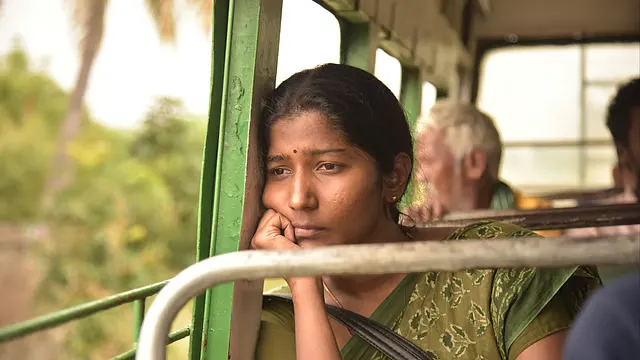
At its core, The Tablet portrays the precarious existence of Kayal (Dr. Raichal Rebecca), a vigilant mother, and her inquisitive son, Prabhu (Hemanathan), as they navigate life under the silent shadow of HIV. Their daily struggle for survival is complicated by a diagnosis kept secret even from Prabhu, who innocently believes his daily Anti-Retroviral Therapy (ART) medication is merely an immunity booster.
The film masterfully builds tension, avoiding overt melodrama, instead offering a nuanced look into the subtle, exhausting labor required to maintain such a profound secret. The narrative arc intensifies when Prabhu, in a gesture of pure childhood camaraderie, shares one of his “immunity pills” with a friend. This seemingly innocuous act ignites a chain of events that threatens to expose their carefully constructed world, forcing the film to confront difficult questions about societal blame, the agony of ostracization, and the integrity of human relationships in the face of widespread ignorance.
Performances
The emotional depth of The Tablet is anchored by its compelling performances. Dr. Raichal Rebecca embodies Kayal with a raw, understated power, conveying the immense anxiety and constant vigilance of a mother perpetually on guard. Her portrayal skillfully captures the complex internal conflict of a woman who knows her secret makes her vulnerable yet is driven by an instinct to survive and protect. Audiences witness her subtle discomfort, her guarded posture, and her deep sighs that communicate volumes without a single word.
Complementing this is Hemanathan’s heart-wrenching turn as Prabhu. His performance radiates youthful curiosity, high spirits, and an uncrushed hope, providing a stark yet beautiful contrast to Kayal’s somber reality. He encapsulates the innocence of a child still free to dream, making the unspoken weight he carries all the more tragic.
Behind the Lens
Aravind Siva’s directorial vision is defined by its masterful restraint. The filmmaker prioritizes showing over telling, allowing quiet moments and visual cues to convey the narrative’s emotional heft. The word “HIV” itself is barely uttered until the film’s closing moments, instead relying on the palpable fear and uncertainty etched on Kayal’s face. Siva employs a predominantly static camera, creating an intimate, observational style that draws the audience into the characters’ inner worlds, particularly during scenes like Kayal’s anxious wait at the government hospital.
DOP Vinoj Kaveri’s lensing beautifully captures the essence of Sivakasi, making the town an integral, lived-in backdrop to this deeply personal struggle. The linear progression of the story, focusing tightly on the immediate fallout of the “missing tablet,” ensures a focused and impactful narrative without getting bogged down in backstory.
Final Verdict
The Tablet transcends the typical issue-based drama, evolving into a sensitive ode to resilience, tenderness, and the enduring human spirit. Aravind Siva skillfully weaves together elements of fear, dignity, and unwavering love, asking profound questions about empathy versus judgment. It challenges viewers to consider the societal implications of living with stigma and the sacrifices made to protect loved ones. This isn’t a film seeking pity, but rather a powerful call for understanding and connection. Having premiered to acclaim, The Tablet is a meticulously crafted and deeply humane work that deserves to reach a wide audience, fostering crucial conversations long after the credits roll.