

J. R. R. Tolkien’s The Lord of the Rings opens with one of the most evocative poems in literary history, a brief verse that introduces the One Ring and an epic world in only a few lines. Amazon’s The Lord of the Rings: The Rings of Power set out to detail the making of those very rings, an undertaking that has always faced a difficult truth: less is often more. Following two seasons that struggled to find their footing, the third chapter arrives on Prime Video on November 11, 2026. It brings more focus, larger battles, and clearer conflicts, yet it still carries the weight of a premise that many believe should have remained untold. This review examines whether the improvements are enough to recommend the journey.
Synopsis
Five years after the events of the prior season, war has engulfed Middle-earth. Sauron’s forces have overrun elven lands and enslaved human realms, leaving the free peoples scattered and afraid. Númenor turns against itself, the Dwarves resist the lure of their rings, mortal kings fall one by one, and the Elves survive only through the strength of their three remaining rings. In this bleak setting, unexpected alliances form as old enemies confront a growing darkness. Galadriel seeks answers from her own history, while an unusual bond develops between her, Arondir, and a former agent of Sauron. The stage is set for a conflict that will determine whether Middle-earth can unite before it is consumed entirely.
Performances
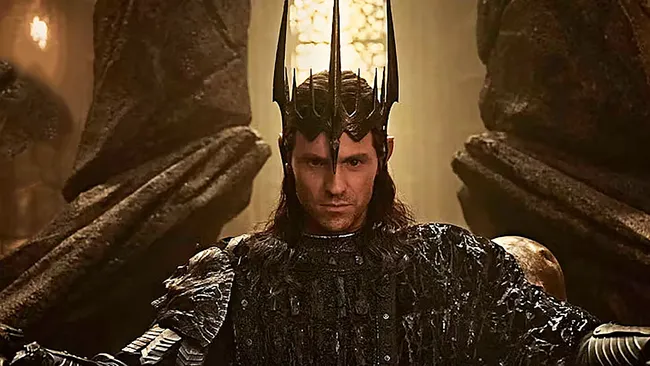
Charlie Vickers steps fully into the role of Sauron, portraying him as a calculating deceiver and relentless social climber driven by a single, empty desire. His dynamic with Morfydd Clark, who plays Galadriel with sorrow and resolve, anchors much of the season’s emotional weight. Ismael Cruz Córdova delivers dependable strength as Arondir, while Adam Young offers a surprising highlight as Marnûkh, an orc who displays unexpected pathos beneath a harsh exterior. In the human kingdoms, Maxim Baldry portrays a hardened Iseldor opposite Lloyd Owen’s steady and moral Elendil, and Trystan Gravelle plays the corrupt King Pharazôn with convincing menace. Owain Arthur brings dignity to King Durin, although his storyline with a distant brother feels thin. Daniel Weyman’s Gandalf begins with potential but is pushed to the margins, leaving the mystical side of the story underdeveloped.
Behind the Lens
Showrunners J. D. Payne and Patrick McKay, along with writer Justin Doble, have created a more disciplined season. The wandering side plots of earlier entries are mostly gone, replaced by brisk editing and map-driven transitions that move the action quickly between battlefronts. The sets and costumes continue to impress, particularly in the vast underground Dwarven realms and the faraway eastern lands. Still, several problems persist. Some major turning points happen because of convenient coincidence instead of meaningful moral choices or tragic temptation. One key family rivalry resolves through an obvious villainous turn, and a promising confrontation involving Gandalf fizzles without resolution. The series also remains limited by its core concept: explaining how the rings were created tends to shrink their mystery rather than enlarge it.
Final Verdict
The Lord of the Rings: The Rings of Power Season 3 is the most confident installment yet. It provides sweeping combat, sharper character motivations, and several memorable team-ups. Nevertheless, it still falls short of Tolkien’s books and Peter Jackson’s The Lord of the Rings film trilogy. A prequel centered on ring-making remains an inherently smaller story, and no amount of polished production can fully replace the simple power of a hobbit’s journey with the One Ring. Existing viewers will find much to appreciate, but the series never quite escapes the sense that Middle-earth did not need this explanation after all.