

While the term “bravery” is frequently tossed around in cinematic circles to describe creative risks, it is rarely used in the context of literal physical peril. For Mohammad Rasoulof, however, the act of creation is a form of defiance. The renowned Iranian director recently faced severe state persecution for his latest masterpiece, The Seed of the Sacred Fig. Labeled as “propaganda” by the Iranian authorities, the film was developed in total secrecy following Mohammad Rasoulof’s previous imprisonment for political activism. Today, this high-stakes act of artistic rebellion is finally available for international audiences to experience on Hulu.
A Narrow Escape and a Global Triumph
The production of The Seed of the Sacred Fig is as dramatic as the plot itself. After being sentenced to eight years in prison by the Iranian judiciary, Mohammad Rasoulof made a harrowing escape on foot across the border into Europe. He arrived in Germany just in time to finalize the film for its prestigious debut at the Cannes Film Festival. While the movie has been selected as Germany’s official submission for Best International Feature at the Academy Awards, its significance transcends mere accolades. It serves as a visceral, urgent window into the systemic oppression and civil unrest currently defining life in Tehran.
Domestic Turmoil Amidst National Unrest
Though the narrative is fictional, the movie is deeply rooted in the 2022 Iranian protests sparked by the tragic death of a young woman in police custody. Mohammad Rasoulof masterfully weaves authentic protest footage into the story to ground the drama in reality.
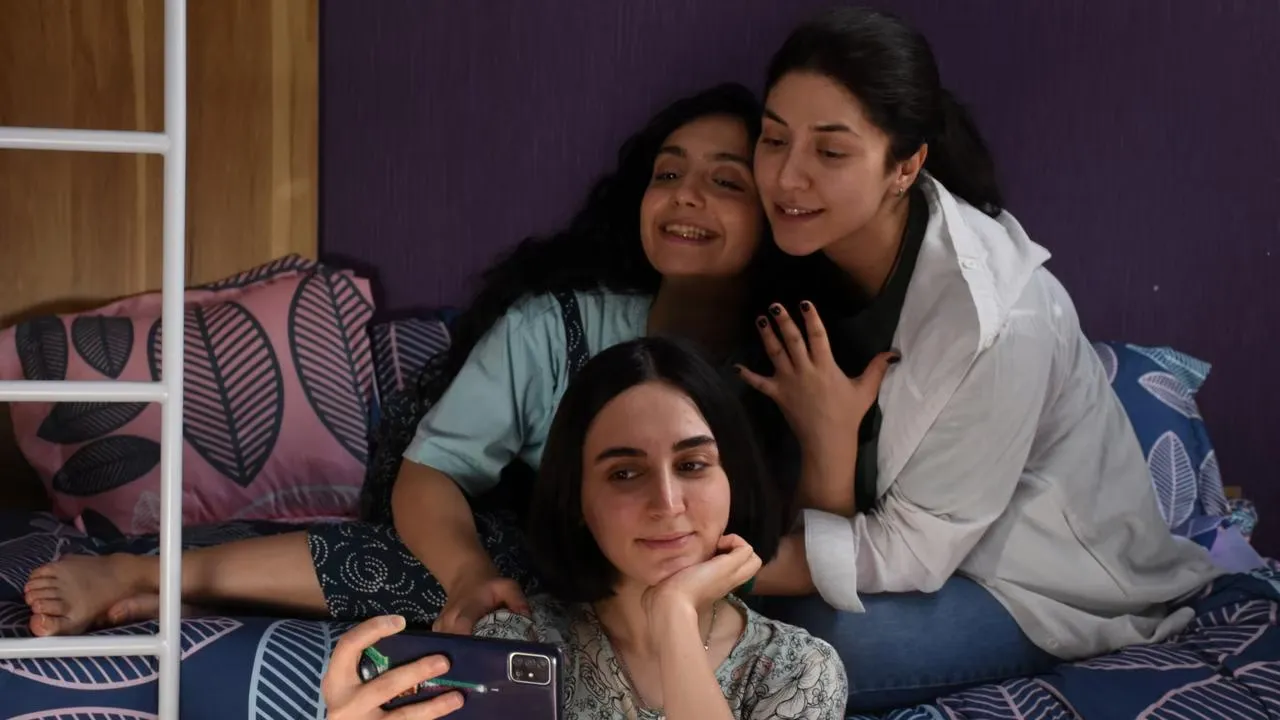
The plot follows Iman, played by Missagh Zareh, a lawyer recently promoted to a judge within the Revolutionary Court. Along with his new title, he is issued a firearm for self-protection. However, the prestige of the office quickly turns into a psychological burden. Iman is forced to sign off on execution orders dictated by his superiors without question, all while keeping the dark nature of his work a secret from his wife, Najmeh, played by Soheila Golestani. The household tension peaks as their daughters, Rezvan (Mahsa Rostami) and Sana (Setareh Maleki), begin to question the world around them. When Iman’s state-issued gun vanishes, the family’s foundation crumbles under the weight of mutual suspicion and state-induced paranoia.
The Psychological Cost of Authoritarianism
The Seed of the Sacred Fig is a surgical examination of how a surveillance state can dismantle the nuclear family. As the missing weapon looms over the household, Iman descends into irrational behavior. Knowing that the gun is registered in his name, he realizes that its loss could lead to his own execution or professional ruin.
Disconnected and fearful, Iman begins to view his own children as potential informants. This is particularly true of Rezvan, who finds herself increasingly drawn to the revolutionary fervor of her peers. The film captures the suffocating reality of a man trapped between two worlds: he fears the brutal regime he serves, yet he equally dreads the retribution of the protesters he sentences.
A Cinematic Legacy of Resistance
Clocking in at nearly three hours, The Seed of the Sacred Fig is a triumph of pacing and character development. Every frame is calculated to heighten the sense of isolation experienced by those who dissent—or even those who simply doubt—within a stagnant political system. Mohammad Rasoulof has crafted more than just a thriller; he has created a historical document that challenges viewers to acknowledge the human cost of political silence. By bringing this story to the screen against all odds, Mohammad Rasoulof cements his status as a titan of global cinema and a vital voice for the voiceless.