

Netflix’s Hot Ones: Extra Heat premiered on July 13, 2026, arriving as a special spin‑off that follows the streamer’s major live tentpole events. Host Sean Evans brings his signature wing‑and‑question formula out of the intimate black‑box studio and onto a sprawling college baseball diamond, pairing the heat of ten sauces with the glare of drone cameras, a primetime slot after the Home Run Derby, and a roster of high‑profile guests. The result is a polished piece of event television that attempts to stretch a beloved YouTube institution into a larger‑scale production without losing the core tension that makes the original series compelling.
From Black Box to Ballpark
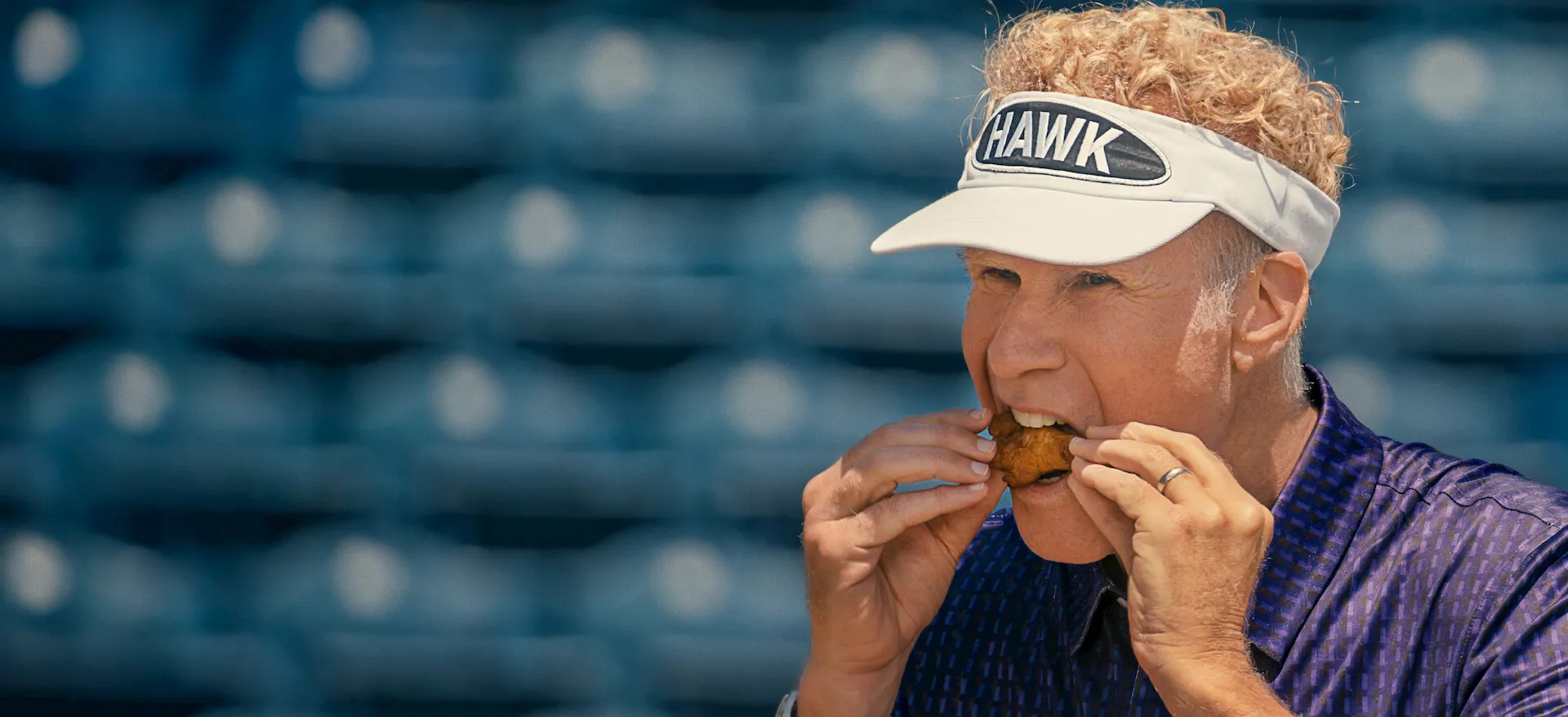
The original Hot Ones thrives on simplicity: a stark backdrop, a single guest, and a progressively spicier lineup of wings that forces celebrities to answer candid questions while their bodies betray composure. Extra Heat replaces that minimalism with a full‑scale stadium setting. Wings are laid out on a long wooden board, miniature baseball helmets hold servings of ice cream, and sweeping crane shots capture the action from above. The visual upgrade signals Netflix’s intent to position the series alongside sports broadcasts and major premieres, using the familiar trick of placing a recognizable face after a big game to keep viewers from changing the channel.
While the stadium adds scale and a clear visual identity, it also pulls attention away from the dialogue. The original black‑box studio eliminated distractions, keeping the focus squarely on Evans, the guest, and the looming sauce. In the ballpark, the environment occasionally competes for the viewer’s gaze, though Evans adapts a few questions to the sporting theme—most notably probing Will Ferrell’s Saturday Night Live experience through a baseball‑manager analogy.
Guest Dynamics and the Heat Factor
The debut episode features Ferrell, Fortune Feimster, and Jimmy Tatro—the cast of Netflix’s comedy The Hawk. Ten sauces await, each step hotter than the last, and each question demands greater concentration. As the heat builds, the guests’ ability to maintain a rehearsed press‑interview façade erodes, revealing genuine reactions that the format thrives on.
Ferrell, a veteran of the original Hot Ones, leverages his prior experience to stay measured despite visible sweat. He directs jokes at Feimster and Tatro, fostering an easy camaraderie while keeping his answers coherent even during the painful Final Dab. Feimster leans into her comedic style, turning discomfort into rapid‑fire banter filled with double entendres about where the heat travels. Her humor fits her broad persona, but its repetition can crowd out quieter moments from the other guests. Tatro contributes a lighter running gag, insisting on finishing each wing as a matter of personal honor, and his admiration for Ferrell leads to an amusing misfire when he fails to identify the “walrus‑like” mustache reference from Anchorman.
With three participants, Evans must split his attention, monitor sauce progression, and keep the banter flowing. The dynamic feels more like a cast junket with digestive consequences than the deep, one‑on‑one interrogation that made the original series a source of revealing insight. Nevertheless, the shared discomfort creates a communal entertainment factor—pain becomes a spectacle rather than a private ordeal.
Production Value Versus Intimacy
The episode’s production values are unmistakably television‑ready. Overhead footage, drone sweeps over the outfield, and carefully plated ice cream in baseball helmets announce that something has changed. Netflix gains a creator whose interviews already circulate widely online, while Hot Ones receives the resources associated with prime‑time sports broadcasts. The exchange is tidy enough to belong in a strategy presentation: the streamer expands its repertoire, and the show gains a larger stage.
Yet the shift brings trade‑offs. The original format’s strength lay in its ability to draw out authentic responses through relentless, focused questioning. In the stadium setting, Evans often distributes his queries among three guests, reducing the opportunity for prolonged follow‑up that can peel back a celebrity’s rehearsed narrative. The tension between professional composure and involuntary reaction remains—tears cannot be rehearsed—but the breadth of the episode sometimes dilutes the depth that fans associate with Hot Ones.
Strengths, Weaknesses, and the Netflix Playbook
Hot Ones: Extra Heat succeeds in demonstrating that Netflix can enlarge a YouTube‑born institution without immediately breaking its core appeal. Sean Evans’s meticulous research still cuts through the sweating, swearing, and promotional chatter, especially when Ferrell offers thoughtful answers amid the Final Dab. The show’s ability to sit beside sports, podcasts, celebrity interviews, and major premieres reflects Netflix’s broader strategy of borrowing broadcast television habits while recruiting digital‑native personalities.
The episode’s closing golf challenge—where the trio hits balls toward scoreboard portraits while eating ice cream—feels like a harmless, albeit unnecessary, add‑on that serves primarily as a promotional nod to The Hawk. It underscores the corporate machinery at work: a bonus segment that functions more like an advertisement wearing novelty sunglasses than an integral part of the wing‑challenge narrative.
Final Verdict
Hot Ones: Extra Heat proves that Netflix can take a beloved web format, amplify it with cinematic production values, and tether it to live‑event programming without entirely sacrificing the element that made it popular—the genuine, unfiltered reaction that emerges when celebrities confront escalating spice. The wings remain hot; the format feels cooler, more polished, and undeniably tied to the streaming service’s ambition to create event‑worthy content that lives comfortably alongside sports broadcasts and major premieres. For viewers who enjoy watching celebrities sweat—both literally and figuratively—the special delivers an entertaining, if slightly less intimate, iteration of a modern classic.