

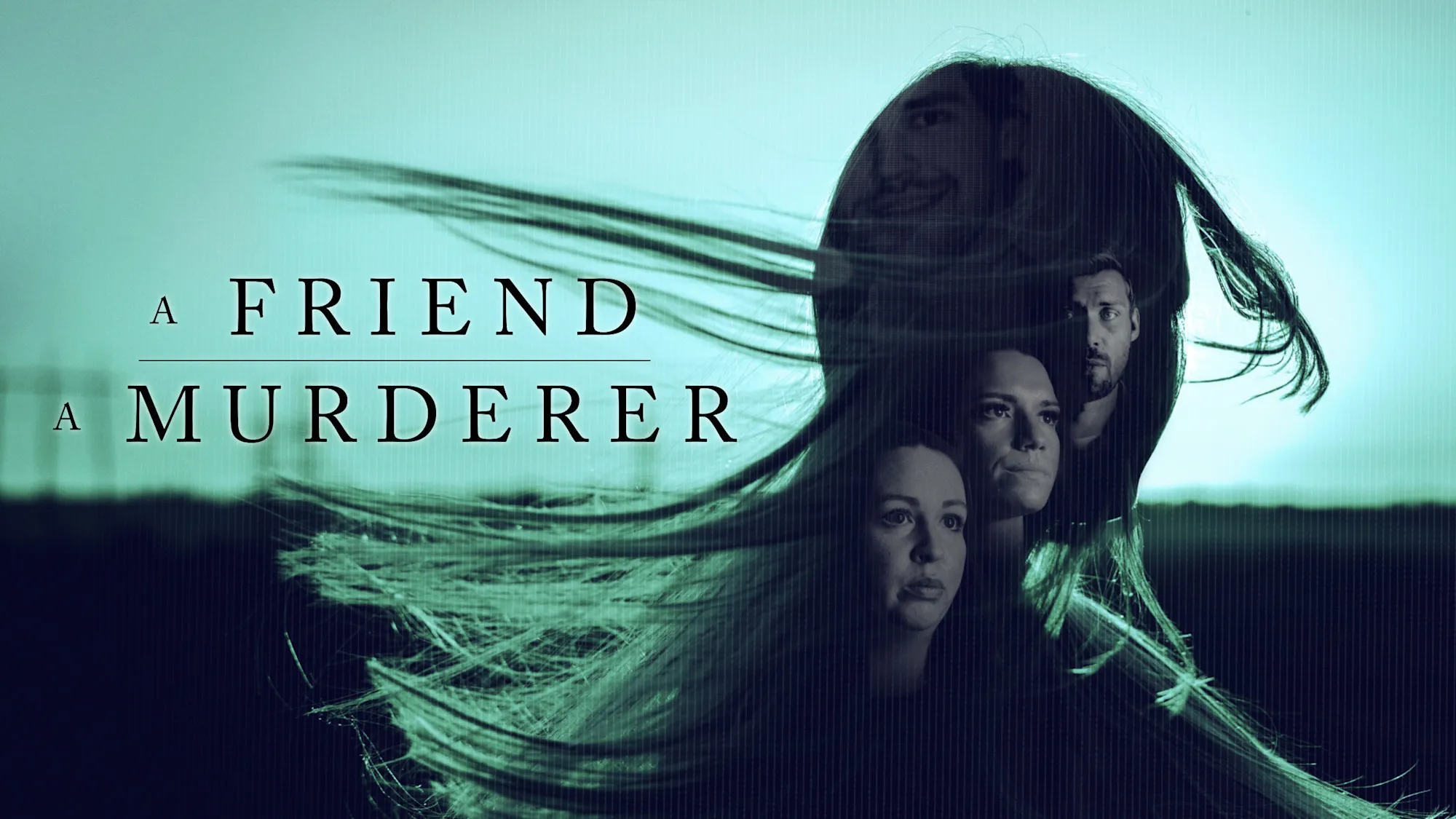
The true-crime genre often follows a predictable cadence: crime, investigation, and resolution. However, director Christian Dyekjær takes a detour from this formula in the Netflix docuseries A Friend, A Murderer. Instead of relying on forensic experts or lead detectives to narrate the horror, this Danish production centers on a much more unsettling perspective—the social circle of a killer.
A Unique Glimpse into the Unthinkable
Set in the quiet town of Korsør, the series revisits a haunting case from 2016 involving a teenage girl who vanished after a night out. What began as a desperate search for a missing person near a train station spiraled into a nightmare when human remains were discovered months later. For years, the town mourned as the case grew cold, leaving a vacuum of fear and unanswered questions.
The narrative shifts gears when Philip Patrick Westh is eventually linked to the crime. To the outside world, Westh was unremarkable—a local man who lived a quiet, seemingly mundane life. The documentary’s primary strength lies in its focus on his friends—Amanda, Kiri, and Nichlas. It documents their harrowing realization that the man they shared laughs and memories with was capable of incomprehensible violence.
The Horror of the Ordinary
The most chilling theme of A Friend, A Murderer is how effortlessly evil can blend into the mundane. By highlighting how Westh maintained social ties and participated in community life after committing such a heinous act, Dyekjær forces the viewer to confront a terrifying question: How well do we actually know our friends? The emotional weight carried by the interviewees is palpable, offering a raw look at the secondary trauma experienced by those close to a perpetrator.
Style Over Substance?
Despite its compelling premise, the series occasionally falters by remaining on the periphery of the case. While the emotional exploration of the friends is moving, the documentary lacks a rigorous investigative lens. Hints of police mismanagement and early confusion during the 2016 disappearance are mentioned but never fully interrogated.
Furthermore, the psychological profiling of Westh remains frustratingly superficial. True-crime enthusiasts often look for the “why” behind the “what,” yet this series is content to document reactions rather than dissecting the killer’s motivations or the warning signs that may have been overlooked. The pacing also suffers from repetitive emotional beats, which can make the middle episodes feel stagnant.
Final Verdict
A Friend, A Murderer is a somber, atmospheric piece of filmmaking that excels in portraying the human cost of a crime beyond the victim’s family. It succeeds as a character study of those left in a killer’s wake, but as a comprehensive true-crime investigation, it stays firmly on the surface. It is a haunting watch for those interested in the sociology of crime, even if it leaves some of its most pressing questions unanswered.