

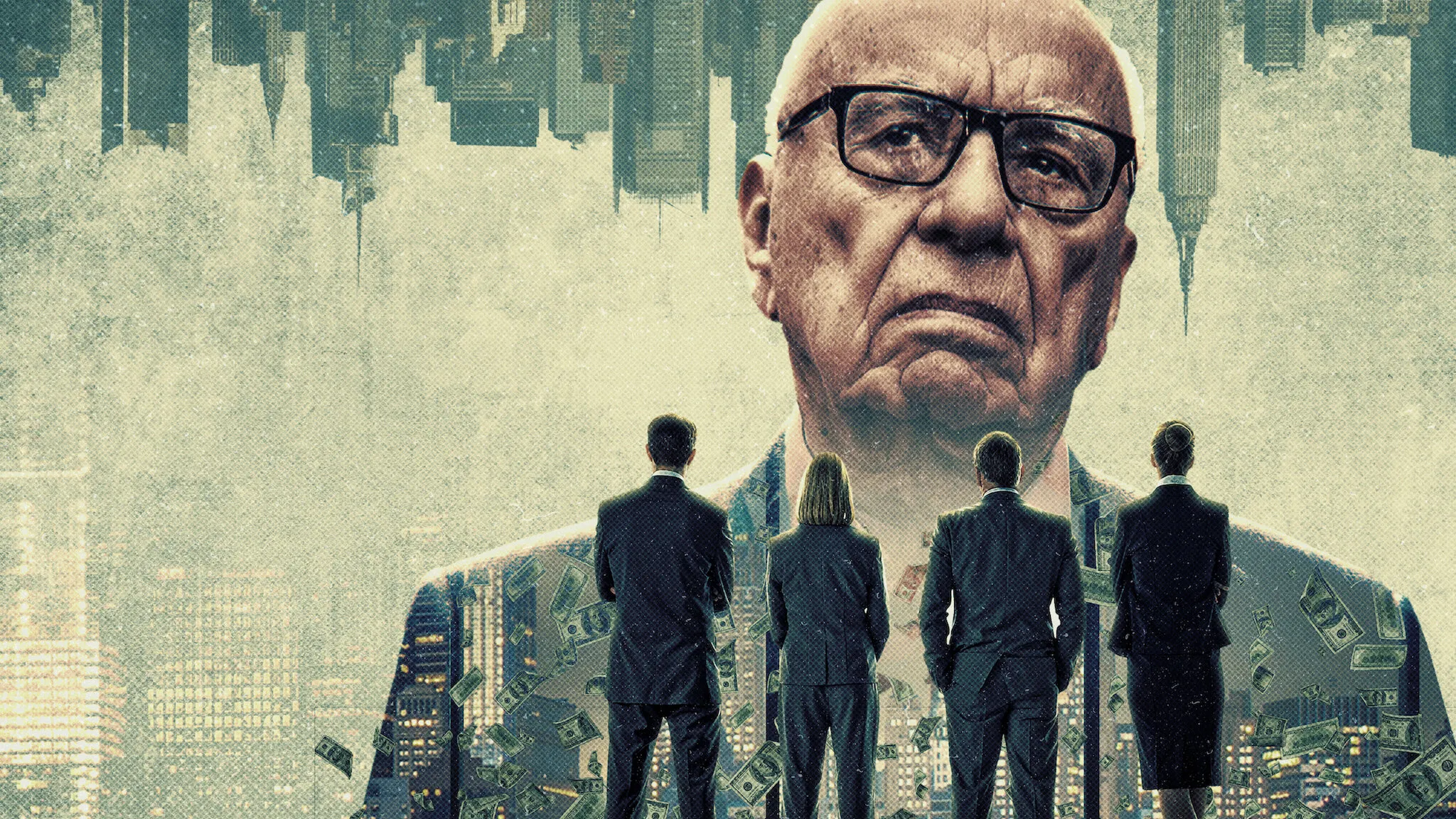
Netflix’s latest offering, Dynasty: The Murdochs, serves as a chilling reminder that truth is often more cutthroat than fiction. Directed by the acclaimed Liz Garbus, the four-part docuseries explores the crumbling architecture of Rupert Murdoch’s empire—a man whose professional legacy is now inseparable from his family’s internal collapse.
From Fiction to Friction
The parallels to the HBO hit series Succession are both intentional and inescapable. The documentary even utilizes the show’s haunting, discordant theme music to underscore the real-world drama. However, the stakes here are far from scripted. The series highlights a 2023 legal bombshell: a memo written by Elisabeth Murdoch’s representative, Mark Devereux, which was originally intended to prevent a family implosion but ironically triggered one. This internal panic led to a staggering $3.3 billion settlement for the siblings who were sidelined when Lachlan Murdoch was ultimately granted control of Fox and News Corp.
The Ruthless Architect of an Empire
At its core, the film is a portrait of Rupert Murdoch as a cold-blooded patriarch. Approaching his 95th birthday, Murdoch is depicted not merely as a father, but as the overseer of a corporate gladiatorial arena. He famously pitted his eldest children against one another, making his affection the ultimate prize for corporate dominance. Through thousands of leaked emails and internal documents, Liz Garbus paints a picture of a man who prioritized the growth of his empire above the emotional stability of his heirs.
Dark Arts and Tabloid Scandals
The narrative is bolstered by a heavy-hitting lineup of contributors, including journalists Jim Rutenberg and Jonathan Mahler. It also features a memorable appearance by actor Hugh Grant, who recounts his harrowing experiences with the invasive tactics used by the News of the World. Former reporter Paul McMullan provides a candid, often unsettling look into the tabloid “dark arts,” suggesting that his career flourished under then-editor Piers Morgan through unethical practices like surveillance and theft.
The Price of Absolute Power
While the BBC explored this territory in 2020 with The Rise of the Murdoch Dynasty, Garbus’s version feels more definitive. It provides the closure the earlier series lacked, particularly regarding the massive sale to Disney and the impact of the modern streaming wars. As the media landscape shifted toward giants like Netflix and Amazon, Rupert Murdoch was forced to concede that the world was evolving faster than his traditional empire could adapt.
Ultimately, the documentary proves that while Rupert Murdoch achieved his dream of building a global powerhouse, he did so at a devastating personal cost. As journalist Gabriel Sherman notes, the very business he built to unite his family eventually became the engine of its destruction.
Also Read:
Real-Life Succession: Netflix’s New Murdoch Docuseries Promises High-Stakes Drama