


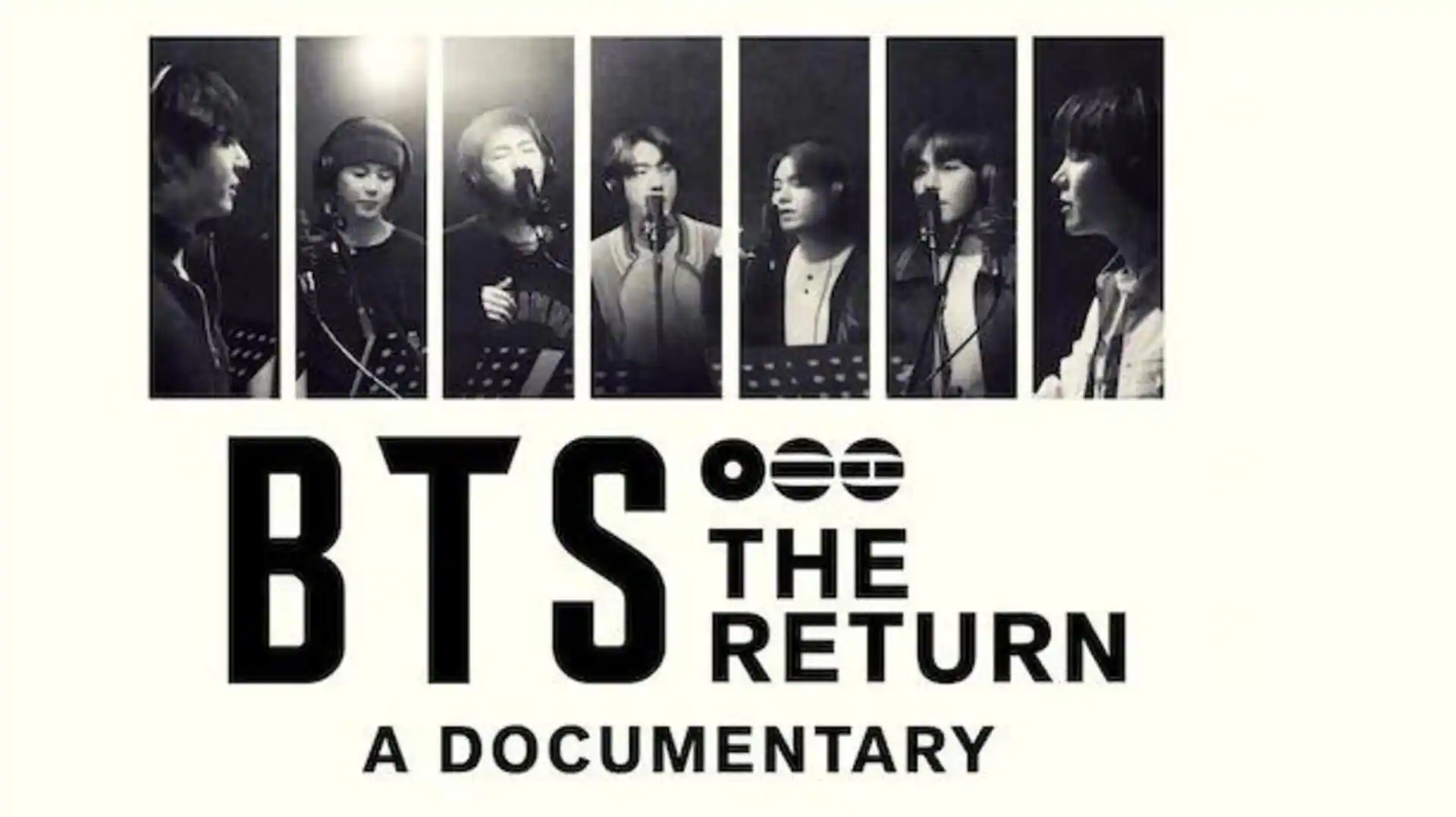
Netflix’s BTS: The Return is far more than a chronicle of a global phenomenon’s comeback; it is a profound, often gritty examination of the psychological toll of legacy and the arduous path to rediscovering one’s creative voice.
Beyond the Spotlight: A Raw Reunion
The film opens not with fireworks, but with a palpable, heavy silence. The seven members of BTS are reunited after fulfilling their mandatory military service, a nearly three-year hiatus that has left them not as assured icons, but as artists grappling with the weight of expectation. Director Bao Nguyen immediately establishes an intimate tone, forgoing glossy production for a vérité-style look at a group relearning how to be a unit. This is the documentary’s central thesis: a deconstruction of the perfectly curated image to reveal the human beings beneath.
The Creative Struggle: Negotiating Identity and Expectation
At its core, The Return follows the genesis of their comeback album, “ARIRANG.” However, it pointedly avoids the triumphant studio montages typical of the genre. Instead, the camera lingers on creative friction. We witness passionate debates over a single lyric, moments of self-doubt, and open conversations about the fear of irrelevance. The members push back against each other, their producers, and the immense pressure from their label and fans, debating how to evolve their sound without sacrificing their essential Korean identity. This process is portrayed as painstaking and intellectually exhausting, offering a rare glimpse into the unglamorous labor of genius.
The Cost of Greatness: Burnout and Brotherhood
One of the documentary’s most compelling aspects is its candid addressal of burnout. The film doesn’t shy away from showing flashes of frustration and the haunting question of whether they have already said all they needed to say. This vulnerability makes their journey relatable, transforming them from untouchable superstars into artists facing a universal creative block, albeit on a global scale.
Amidst this uncertainty, the film identifies the group’s true anchor: their bond. The decision to isolate themselves in a retreat to create feels less like a PR strategy and more like a therapeutic necessity. The Return argues that BTS’s greatest achievement isn’t their music alone, but their resilient relationship. The documentary compellingly frames their return as a radical act of unity in a industry known for fragmentation, highlighting the challenge of realigning seven world-class soloists into a single, cohesive vision.
“SWIM”: The Metaphor for a Journey
The emotional heart of the film is the creation of their lead single, “SWIM.” Presented not as a victory anthem but as a somber metaphor, the song becomes the documentary’s thesis. “Keep swimming” is reframed from a cliché into a raw survival mantra. It signifies that this comeback is not about reclaiming a chart position, but about the relentless effort required to stay afloat under the crushing weight of expectation.
A Lingering Impact
Stylistically, Nguyen’s restrained direction is a masterstroke. The intimate, sometimes intrusive camerawork makes you feel like a silent witness to private conversations, stripping away the spectacle to reveal the profound cost of their legacy. The film concludes not with a neat resolution, but with the sense of an ongoing, introspective journey. “ARIRANG” is a milestone, but the path ahead remains unwritten.
In conclusion, BTS: The Return succeeds because it prioritizes honesty over adulation. It is a messy, reflective, and deeply human film that transcends the K-pop niche. It is a universal story about the courage required to begin again, making it an essential watch for anyone interested in the authentic story behind the icon.
Also Read:
BTS Makes US Performance Return at Exclusive Spotify SWIMSIDE Event in NYC
BTS “ARIRANG” Comeback Concert Review: A Historic Return at Gwanghwamun