

Age of Attraction: Netflix’s Bold Experiment in Age-Blind Dating
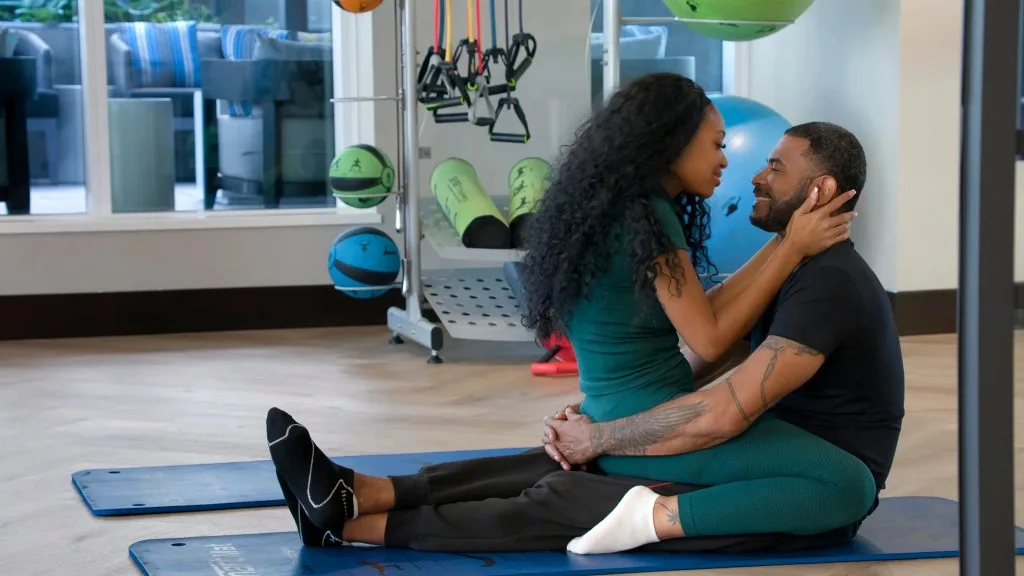
Netflix’s latest reality sensation, Age of Attraction, plunges 40 singles, ranging from 22 to 60 years old, into a unique quest for romance, daring to challenge preconceptions about age-gap relationships. The show’s creators faced the monumental task of crafting a series that genuinely explored connection without succumbing to tired clichés.
Navigating the Minefield of Age Stereotypes
Executive producers Jennifer O’Connell and Rebecca Quinn knew they were treading delicate ground. Their primary goal was to illuminate the authentic phenomenon of age-disparate relationships, steering clear of tropes like the “MILF hunter” or “creepy old men.” “It could have been super ick,” Quinn admitted, highlighting the fine line they walked. O’Connell emphasized their commitment to showcasing individuals holistically, ensuring they weren’t “fetishizing the age gaps” but rather prioritizing genuine emotional bonds.
The Appeal of the Unknown: An Age-Blind Bet
The core premise of Age of Attraction is its age-blind design. Participants embark on a dating retreat in Canada, explicitly forbidden from inquiring about each other’s ages. This element of mystery extends to the audience as well, a decision that sparked considerable debate among the production team. Quinn noted a clear gender divide: “All the men were like, ‘You have to tell us from the beginning, because we want to play along,’” O’Connell recounted, while “the women were like, ‘No, we want to go along for the ride. We want to try to guess.’” Ultimately, the decision to keep ages hidden from viewers until the final “Promise Room” reveal proved to be a smart move, catering to the primary female audience’s desire for discovery.
It’s only when couples make significant commitments that they, and the viewers, learn their respective ages, prompting a crucial decision: will age truly matter as they step into the real world together?
Unearthing Genuine Connections
The casting process itself revealed surprising insights into modern dating. Producers conducted a nationwide search, anticipating reluctance towards the age-gap concept. To their astonishment, “everyone is open to this,” Quinn observed, finding that age was “not a barrier to entry for people.” Cast blind to age themselves, the producers sought out open-hearted individuals with a potential for “shock value.”
Protecting the integrity of female participants was paramount. O’Connell stressed the importance of casting women that audiences would inherently support, regardless of age. This meant ensuring younger women appeared sincere in their search for love, rather than naive or flighty, and older women were portrayed as genuinely seeking partnership, not just “sex-crazed and cougars.”
Beyond Expectations: Love Across the Decades
Despite initial apprehension, the experiment yielded remarkable results, culminating in 14 couples from the initial 40 singles (20 men, 20 women). Many of these pairings featured significant age differences, far exceeding O’Connell’s “greatest dream.” Quinn confessed to “nightmares” about having too many same-age couples, fearing they would have “no show.” Their success, she believes, sprang from a steadfast commitment to casting only those genuinely seeking love and openness.
The producers thoughtfully selected their final six featured couples, prioritizing those with substantial age gaps and compelling dynamics, ensuring a mix of older women with younger men, and vice versa. Furthermore, a crucial deviation from typical dating shows was the absence of forced engagements. Understanding the varied life stages of participants, from different careers to family complexities, the production team opted to respect their individual journeys. This flexible approach, according to Quinn, ultimately contributed to greater long-term success for the couples.
The first five episodes of Age of Attraction are now available for streaming on Netflix, inviting viewers to witness this unconventional journey of connection.