

Christopher Nolan’s latest venture, The Odyssey, attempts to transpose Homer’s 2,800‑year‑old saga onto the grandest cinematic canvas available today. By marrying practical filmmaking with cutting‑edge IMAX technology, Nolan aims to deliver a visceral retelling that feels both timeless and urgently contemporary. This review explores whether the director’s ambitious vision succeeds in honoring the source while offering something fresh for modern audiences.
Synopsis
The narrative follows the weary king Odysseus as he struggles to return home after the Trojan War, confronting mythical beasts, vengeful deities, and the lure of temptation. Simultaneously, his son Telemachus embarks on a quest to uncover his father’s fate, defending their household from opportunistic suitors. Nolan’s adaptation intertwines these parallel threads of memory and present‑day action, emphasizing the human struggle behind the legendary voyage without revealing key plot twists.
Performances
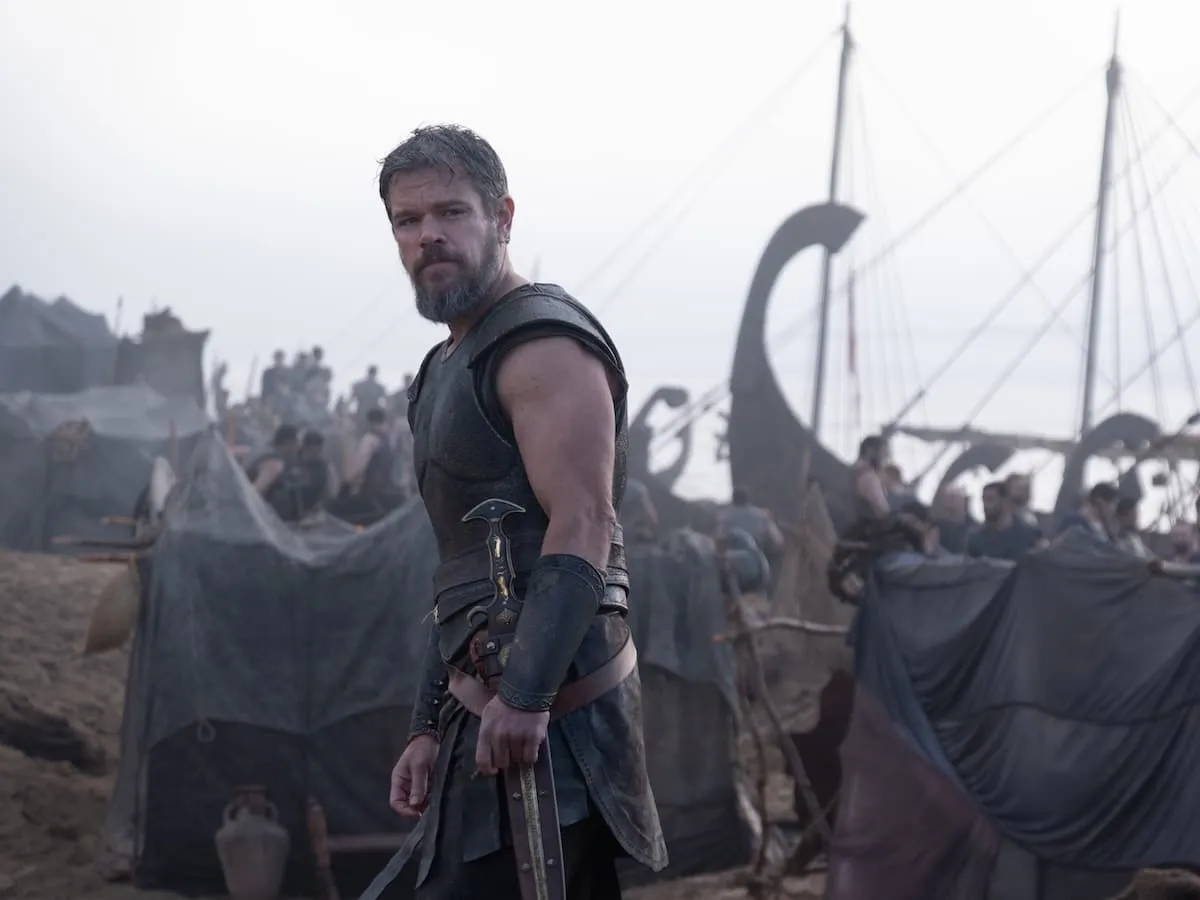
The ensemble cast delivers uniformly strong work. Matt Damon embodies Odysseus with a gritty determination that balances vulnerability and resolve. Tom Holland brings youthful earnestness to Telemachus, while Anne Hathaway and Robert Pattinson add depth to the supporting figures that pepper the hero’s odyssey. John Leguizamo stands out as Eumaeus, the loyal swineherd, offering a career‑defining turn that grounds the film’s emotional core. Samantha Morton’s portrayal of Circe captures both menace and melancholy, earning spontaneous applause on set—a rarity Nolan likens to Heath Ledger’s Joker in The Dark Knight. The actors’ commitment to practical training, such as rowing alongside a recreated Viking longship, enhances the authenticity of their performances.
Behind the Lens
Nolan’s dedication to tangible filmmaking shines throughout The Odyssey. Cinematographer Hoyte van Hoytema captures the expansive seas and rugged shores in IMAX 70 mm, marking the first feature shot entirely with IMAX film cameras. A newly engineered, quieter camera and a sound‑muffling blimp made this feat possible, allowing the audience to experience the picture exactly as Nolan envisioned. Production design employed the actual Draken Harald Hårfagre, a modern Viking longship, whose seasoned crew trained the cast to row for hours on open water—eliminating reliance on CGI for the maritime sequences. Ludwig Göransson’s score eschews a traditional orchestra, weaving bronze gongs, ethereal vocals, and reconstructions of the ancient aulos and lyre into an oppressive yet mesmerizing soundscape. Together, these elements craft a immersive, tactile experience that distinguishes the film from effects‑heavy contemporaries.
Final Verdict
The Odyssey stands as a bold reimagining that respects the epic’s spirit while injecting Nolan’s signature craftsmanship. The film’s practical effects, striking IMAX presentation, and powerful performances coalesce into a work that feels both grand and intimately human. Although some purists may balk at the liberties taken with accent and mythological detail, the movie’s core message—about the fragility of hospitality, the endurance of familial bonds, and the cyclical nature of history—resonates strongly in today’s world. For lovers of epic storytelling and technical virtuosity, Nolan’s The Odyssey is a must‑see; it is, without question, one of the decade’s finest action‑driven spectacles and a compelling invitation to set sail on your own cinematic journey.
Also Read:
Enthusiastic First Impressions of “The Odyssey” Showcase Nolan’s Newest Masterpiece
“The Odyssey” Trailer Teases a Grand Cinematic Journey
Christopher Nolan’s “The Odyssey”: A Modern Epic Reimagined for 2026
A sneak peek into Christopher Nolan’s classic in the making “The Odyssey”