

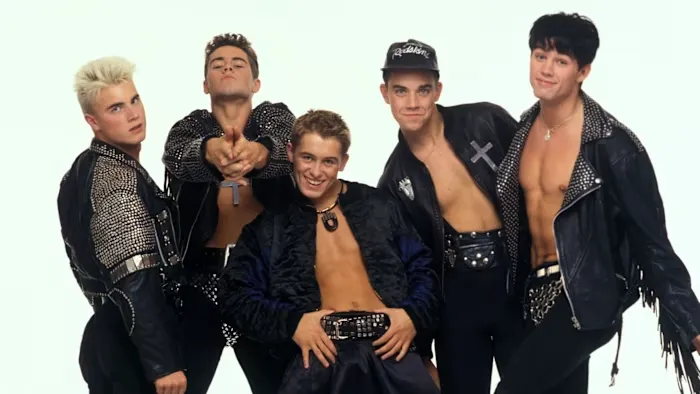
The stream of music documentaries revisiting the 1990s and early 2000s shows no sign of slowing down, following acclaimed series like the BBC’s Boybands Forever. Now, Netflix turns its lens on one of Britain’s most iconic groups with a deep dive into the spectacular saga of Take That. This three-part series meticulously charts the band’s meteoric ascent, shocking breakup, and against-all-odds resurgence, offering a potent mix of nostalgia and celebration.
While the narrative arc might feel familiar to pop culture aficionados, the documentary distinguishes itself by being an authorized account, told largely through the voices of Gary Barlow, Mark Owen, and Howard Donald. This insider perspective provides intimacy, though it sometimes leans toward tribute over tough critique. The story is richly illustrated with a treasure trove of archival footage, including charmingly gritty home videos from their pre-fame days performing in Manchester’s gay clubs and school assemblies—a bootcamp regimen devised by manager Nigel Martin-Smith that forged them into hit-making perfection.
The film is at its most compelling when navigating the band’s fracturing. The departure of a young and rebellious Robbie Williams (whose own Netflix expose, Robbie Williams, landed in 2023) is handled with a reflective maturity that only time can provide. The documentary doesn’t shy away from the darkness that followed the group’s 1996 dissolution, poignantly captured by Jason Orange’s solitary retreat to the Lake District to process the sudden end of a phenomenon.
If the first episode lays the foundation and the second details the collapse, the final chapter is a masterclass in career rehabilitation. The documentary highlights the pivotal 2005 special, Take That: For the Record, which reignited public passion and featured a remorseful Williams extending an olive branch. This sparked a reunion tour for the four-piece lineup, unleashing a second wave of record-breaking success that has continued for nearly two decades, albeit with an evolving roster that now seems permanently centered on the core trio of Barlow, Owen, and Donald.
Ultimately, this series is designed to delight fans rather than deconstruct the myth. It functions as a victory lap, a warmly crafted piece of nostalgia that prioritizes the band’s own reflections. While it may lack a truly critical edge, it more than compensates with emotional resonance and a thrilling, heady dose of 90s sentimentality. It is a testament to a legacy that few groups can claim: the undeniable power to rise, fall, and rise again, even higher than before.