

The Human Right to Water
In 2010, the United Nations took a historic stand, declaring access to clean water a fundamental human right. However, this was far more than a political gesture; it was a necessary response to a staggering global reality. According to filmmaker Michael Zelniker, over two billion people worldwide lack access to safe drinking water, while nearly four billion suffer from unreliable sanitation. It is this dire, escalating humanitarian emergency that Zelniker dissects in his compelling new documentary series, The Struggle for Mother Water.
A Global Journey into Scarcity
Selected for the prestigious Berlinale Series Market—joining the ranks of Ken Burns’ The American Revolution and Gerek Şamanın İzinde—Zelniker’s eight-part series offers a comprehensive look at the near impossibility of obtaining potable water in many regions. The filmmaker spent nearly a year traversing the globe to document the daily struggle for survival.
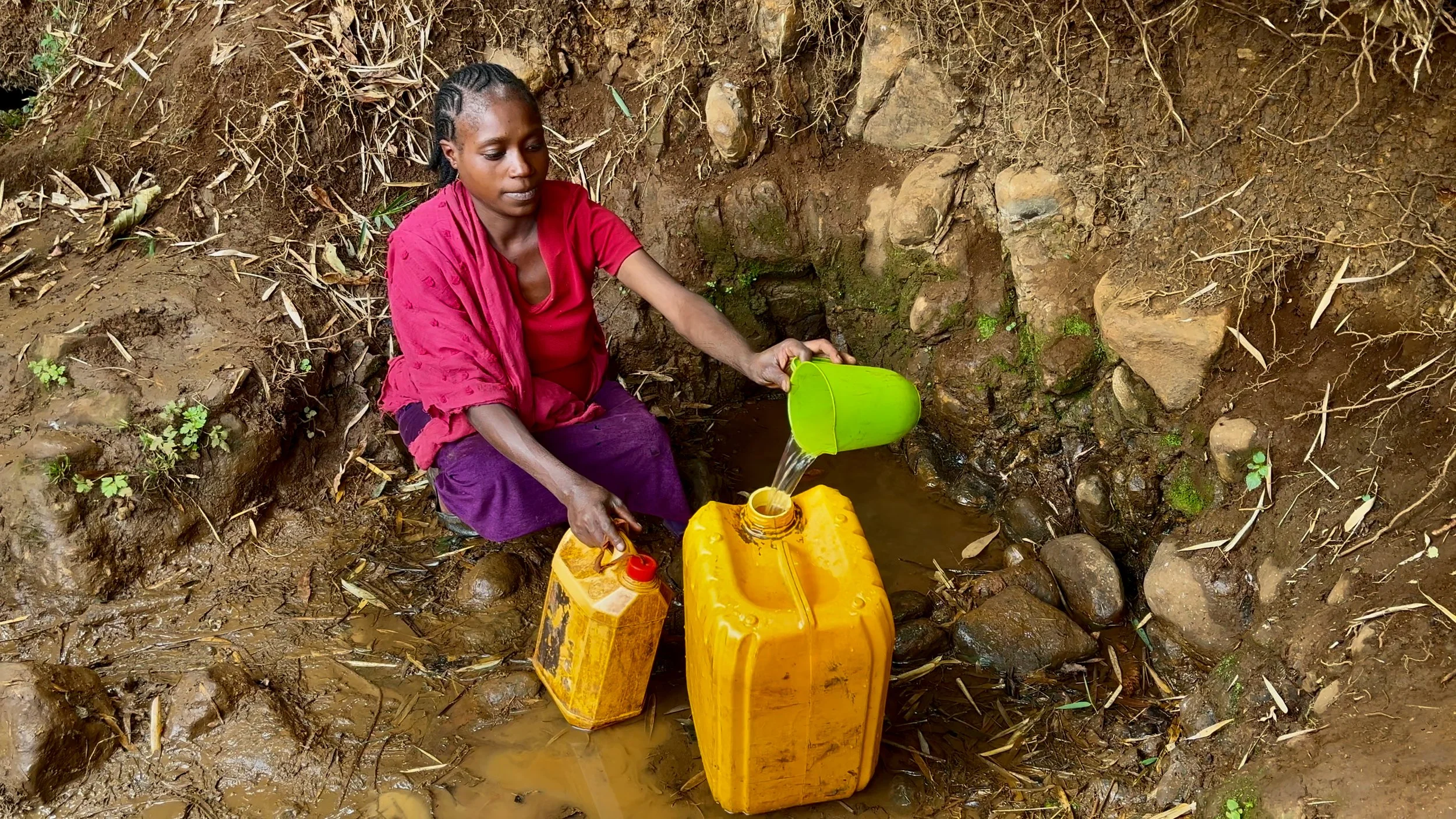
In the Choriso District of South Ethiopia, residents are forced to draw from polluted rivulets. “We have no choice,” one woman explains in the film. “Due to lack of clean water, we have been forced to fetch, to use, to drink this dirty, contaminated water.” The situation is equally grim in Darjeeling, India, where trash clogs drinking sources. Without consistent electricity to boil water, residents face the risk of waterborne diseases, a silent killer affecting millions of children globally.
Industrial Pollution and Indigenous Rights
The crisis is not confined to developing nations. Zelniker travels to the Athabasca River in Northern Alberta, Canada, home to the Fort McKay First Nation. Here, tar sands oil refining has devastated local groundwater. Environmentalist Jean L’hommecourt describes the toxic byproducts poisoning their lands as an “environmental crime,” highlighting the painful reality of Indigenous communities becoming second-class citizens in their own homelands.
The Commodification of a Essential Resource
The Struggle for Mother Water also exposes how water has become a lucrative commodity. In the Vosges region of France, known for pristine springs, Nestle has extracted water for its Eau Vittel brand, leaving locals to watch nature wither due to the lack of water. A similar narrative unfolds in San Bernardino, California, where BlueTriton/Primo Brands extracts water for a fraction of a penny per gallon, only to sell it back to the public at massive profit margins. This privatization turns a public right into a luxury item, exacerbating shortages for ordinary people.
The Gendered Impact of Water Scarcity
The water crisis is not gender-neutral. The UN notes that women and girls spend 250 million hours daily collecting water, bearing the brunt of the crisis. Zelniker centers this perspective in his series, noting that women are leading the fight to protect water globally. Consequently, women comprise approximately 90% of the voices heard in the documentary, offering a vital perspective on the intersection of gender and environmental justice.
A Call to Action
Zelniker, a Climate Reality Project leader, does not shy away from political critique. He challenges the profit-driven industries and political leaders exacerbating climate change, asking, “What are you going to say to your children and grandchildren when they ask what you were thinking?”
The invitation to the Berlinale Series Market validates the commercial viability of such urgent storytelling. As James Baldwin noted, “Not everything that is faced can be changed, but nothing can be changed until it is faced.” Zelniker hopes major broadcasters will amplify this message, urging the world to recognize that without water, there is no life, no economy, and no future.
Montreal’s Filmoption has acquired world rights to The Struggle for Mother Water, an eight-episode documentary series on the global water crisis from Canadian filmmaker Michael Zelniker. The project, selected for the Berlinale Series Market Selects, will be shopped to buyers at the EFM.