

The Foundation: Friendship Before the Funk
The new documentary, The Rise of the Red Hot Chilli Peppers: Our Brother Hillel, offers a poignant look back at the chaotic youth and deep bonds that created one of rock’s most enduring acts. Rather than focusing on their stadium-filling success, the film delves into the crucial years before fame, when the concept of a band was merely a distant dream. This is a story set in the sun-drenched, rebellious landscape of 1970s and 80s California, following the misadventures of teenagers Anthony Kiedis and Michael Balzary—later known as Flea.
At its heart, the film captures a truth often missed in music biographies: these were not prodigies. Flea disliked rock music, and Kiedis had no musical training. Their true commitment was to the adventure of their friendship—a shared desire to push limits and find their place in the world. Their dynamic shifted irreversibly upon meeting Hillel Slovak, a sensitive and gifted Israeli-born guitarist, poet, and painter. It was his artistic spirit and musical proficiency that first channeled their chaotic energy into a creative outlet.
The Catalyst: Hillel Slovak’s Enduring Influence
The film’s central narrative arc is defined by poignant irony. Slovak, the most musically accomplished of the friends whose talent set them on their path, would not live to see the colossal success that followed. His death from an overdose in 1988 occurred while the Red Hot Chili Peppers were still a respected cult act, with their mainstream breakthrough yet to come. The documentary skillfully weaves together Slovak’s personal journey with the band’s evolution, mapping a difficult transition from the exuberant chaos of youth to the darker struggles of adult life.
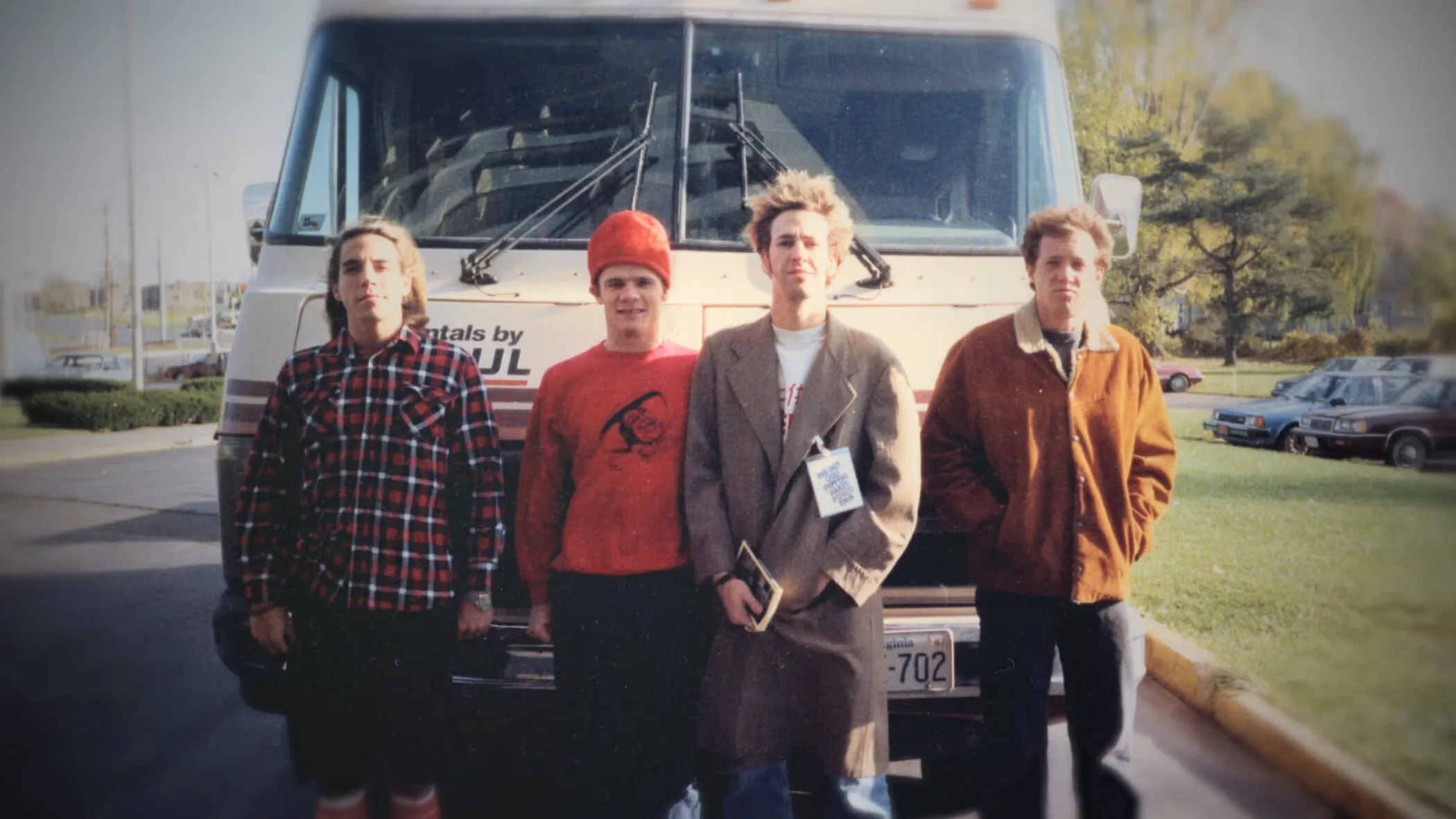
The band’s official prehistory takes up a significant portion of the film. The iconic Red Hot Chili Peppers lineup doesn’t fully coalesce until well into the story. We see Hillel honing his craft in a band called Anthym, which Flea soon joined, picking up the bass guitar on the fly. The group evolved through different styles and names, including What Is This?, before a key turning point: Kiedis discovered rap and found his unique vocal style. His injection of wild, rhythmic energy, alongside Flea’s funk-driven bass and Jack Irons’ powerful drums, finally crystallized their signature sound around 1982.
The Ascent: Triumph Tempered by Tragedy
From this point, the documentary traces their early albums and tours, but its most powerful focus remains on the personal battles waged offstage. The film contrasts Kiedis’s very public struggles with addiction against Slovak’s more private and concealed turmoil. These personal demons form the emotional core of the latter half of the story, culminating in Slovak’s tragic passing, the arrival of a young John Frusciante on guitar, and the band’s eventual ascent to global fame in the 1990s.
Intimate and deeply moving, the documentary is most evocative when reminiscing about the pre-fame era. Flea is particularly affecting when recalling his friendship with Hillel, describing a time when making music was purely about the joy of creation and camaraderie, free from the pressures of the industry. The Rise of the Red Hot Chilli Peppers leaves viewers with a powerful sense that a band’s purest moments often exist before the world is watching, when the only thing that matters is the shared adventure of making noise with your best friends.