


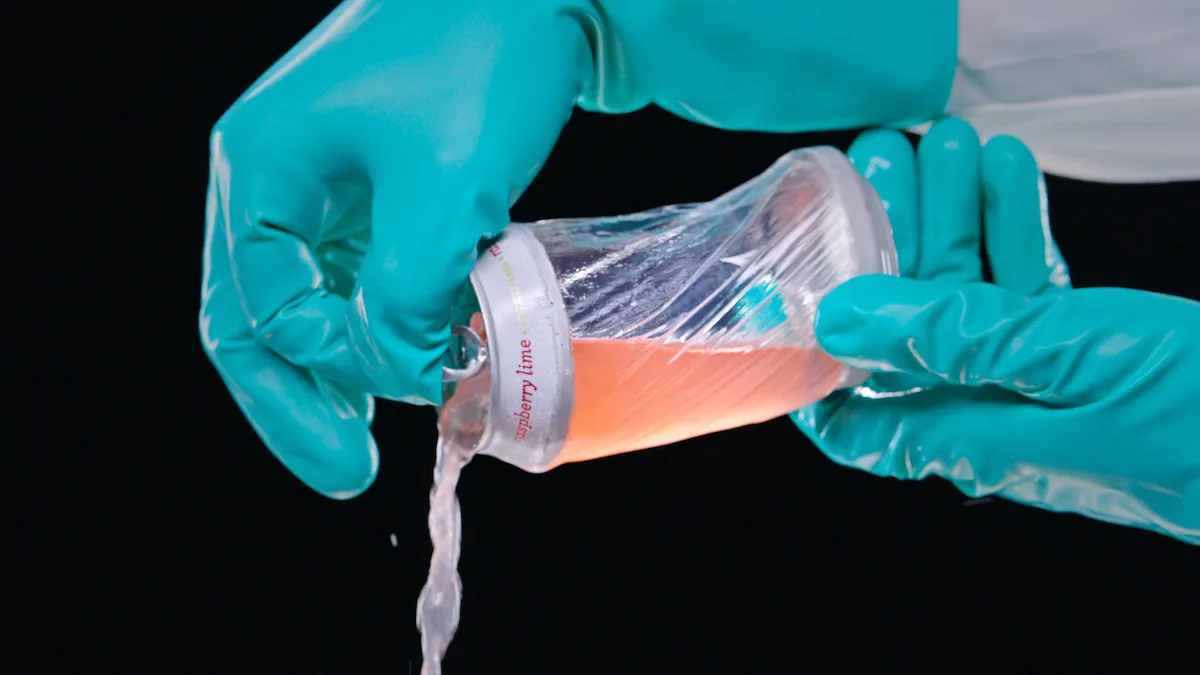
The Silent Invaders: How The Plastic Detox Unmasks a Global Health Threat
Netflix’s latest documentary, The Plastic Detox, isn’t just another environmental exposé—it’s a wake-up call disguised as a medical investigation. While plastic pollution has long been critiqued for its impact on oceans and wildlife, this gripping film shifts the lens inward, revealing how microplastics are infiltrating our bodies and potentially altering our biological functions from within. With a dual narrative structure—one part scientific inquiry, one part human drama—the documentary forces viewers to confront an invisible yet pervasive threat lurking in everyday life.
At the heart of the film is Dr. Shanna Swan, a renowned epidemiologist whose decades of research on reproductive health have positioned her as one of the foremost voices warning about the dangers of endocrine-disrupting chemicals. Her earlier work, which pointed to declining sperm counts across the Western world, forms the foundation of The Plastic Detox. Here, she takes her findings a step further, connecting the dots between the petrochemicals in plastics and their profound interference with human hormonal systems.
A 90-Day Experiment: Can Cutting Out Plastic Boost Fertility?
The documentary’s most compelling thread follows six couples facing unexplained infertility. Despite medical evaluations showing no clear causes, they’ve struggled to conceive—mirroring a growing trend seen in clinics worldwide. Under Dr. Swan’s guidance, they embark on a 90-day “plastic detox,” eliminating as many sources of plastic exposure as possible.
This isn’t about dramatic lifestyle overhauls but targeted, practical changes: switching to glass food containers, using plastic-free personal care products, avoiding packaged foods, and even ditching receipts (which contain bisphenol A or BPA, a known endocrine disruptor). Throughout the experiment, the couples undergo regular hormone testing and semen analyses, providing real-time data on how reducing microplastic exposure might influence reproductive health.
The emotional gravity of their journeys—filled with hope, frustration, and vulnerability—grounds the film in relatable human experience. Yet, the real takeaway isn’t just their personal progress; it’s the broader implication: if everyday plastic use is contributing to fertility issues, then modern life itself may be undermining our most fundamental biological processes.
The Science Behind the Scare: Microplastics and Hormone Disruption
Beyond the personal stories, The Plastic Detox delivers a rigorous, accessible breakdown of how microplastics affect the body. These tiny particles—often invisible to the naked eye—shed from clothing, packaging, and household items, eventually entering our food, water, and even the air we breathe. Once inside, they act as carriers for harmful chemicals like phthalates and BPA, which mimic or block hormones such as estrogen and testosterone.
The consequences are far-reaching: studies cited in the film link these disruptions to not only declining fertility and lower sperm counts but also increased risks of cancer, developmental disorders in children, obesity, and metabolic diseases. One of the most startling claims—supported by peer-reviewed research—suggests that continued exposure could lead to measurable anatomical changes, including reduced anogenital distance in males, a marker associated with reproductive health.
Corporate Accountability and the Illusion of Recycling
Interspersed with lab results and personal stories, the documentary doesn’t shy away from assigning responsibility. Archival footage and investigative segments trace the history of plastic production, exposing how major corporations promoted recycling as a solution while knowingly producing non-recyclable materials. Communities near plastic manufacturing plants—often low-income and marginalized—bear the brunt of pollution, with higher rates of respiratory illnesses and cancer.
Yet, The Plastic Detox also offers a sliver of hope. It profiles entrepreneurs and innovators developing plastic-free alternatives—from biodegradable clothing to compostable packaging—highlighting that change is possible, though systemic overhaul is needed.
Why This Documentary Matters Now
Overwhelming? Yes. Necessary? Undeniably. The Plastic Detox doesn’t just inform—it challenges viewers to rethink the mundane. That plastic water bottle, the cling wrap on last night’s leftovers, the synthetic fibers in your gym clothes—they’re not inert. They’re part of a larger, often unnoticed cycle of exposure.
This film is a must-watch for anyone interested in health, parenting, or the future of human biology. It’s not anti-plastic propaganda; it’s science translated into urgent storytelling.