

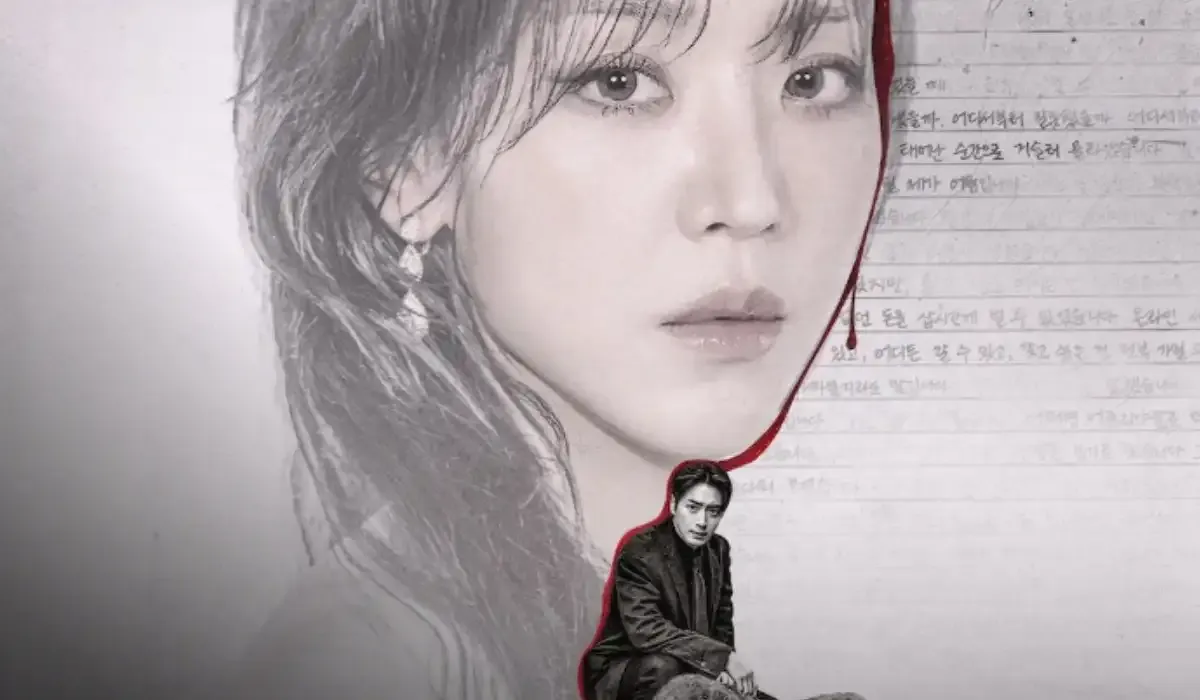
Netflix’s latest Korean import, The Art of Sarah, positions itself as a sleek, thought-provoking thriller that delves deep into the performative nature of identity and the relentless pursuit of ambition in today’s image-obsessed world. While it may occasionally stumble in its storytelling execution, this stylish series largely captivates thanks to its compelling central performance and stunning visual narrative. Our The Art of Sarah review explores why this eight-episode mystery, despite its narrative imperfections, leaves a lasting impression.
Story
The series immediately plunges viewers into a glittering world where appearances reign supreme. Sarah Kim, portrayed by the remarkable Shin Hye-sun, seemingly has it all: she’s the powerful Asia head of a luxurious fashion house, Boudoir, effortlessly navigating Seoul’s most exclusive circles. But this meticulously crafted facade shatters when a woman believed to be Sarah is found deceased, triggering an investigation led by Detective Park Mu-gyeong (Lee Jun-hyuk). As the detective attempts to verify Sarah’s past, he uncovers a labyrinth of conflicting truths and multiple versions of her identity, forcing a profound question: who is Sarah Kim, truly? The drama expertly explores identity as a deliberate performance, suggesting reinvention isn’t just a choice but a necessary survival tactic in a society valuing illusion over authenticity.
Performances
Shin Hye-sun is the undisputed anchor of The Art of Sarah, delivering a performance of exquisite control and subtle nuance. Her portrayal of Sarah Kim is a masterclass in ambiguity – she is simultaneously composed yet fragile, magnetically charismatic yet utterly unreadable. Through minute shifts in expression and demeanor, Shin Hye-sun keeps the audience constantly questioning Sarah’s true motives and history, maintaining engagement even when the plot occasionally meanders.
Lee Jun-hyuk, as Detective Mu-gyeong, provides a grounded contrast to Sarah’s elusive nature. However, his character often serves more as a recipient of revelations than an active driver, feeling somewhat underutilized. The supporting cast generally provides atmosphere but rarely leaves a significant emotional imprint.
Behind the Lens
Visually, The Art of Sarah is a triumph. The series transforms fashion from mere backdrop into a powerful thematic device, symbolizing aspiration, concealment, and ultimately, emptiness. From opulent boardrooms to gritty urban alleyways, the stark visual contrast between surface glamour and moral decay is consistently striking. The slick cinematography and an evocative, moody score elevate even the show’s weaker narrative moments, ensuring a consistently watchable experience.
However, the narrative structure, heavily reliant on fragmented timelines and a deluge of twists, sometimes feels more intricate than genuinely intriguing. This approach risks cluttering the story and diluting the central mystery, blurring the line between clever misdirection and narrative excess.
Final Verdict
The Art of Sarah is, at its core, an ambitious meditation on self-invention, image, and the relentless pressure to perform in a perception-driven world. While its execution occasionally falters under the weight of its own narrative complexities, it remains a thought-provoking watch. The series courageously embraces ambiguity in its conclusion, staying true to its thematic exploration of identity’s fluidity. Anchored by Shin Hye-sun’s captivating lead, this stylish, occasionally muddled Netflix thriller intrigues more than it fully satisfies, but her performance alone makes the journey worthwhile.
All eight episodes are now streaming on Netflix.