

Sinners, a unique blend of vampire horror and musical elements, has achieved remarkable recognition with 13 BAFTA nominations and 16 Oscar nominations. However, despite the film’s praise from many quarters, it has also faced criticism from a segment of the audience regarding its filmmaking techniques, screenplay, and thematic content.
The film, celebrated for its technical execution, features a captivating soundtrack infused with soulful blues music, unsettling horror elements, and outstanding performances from its cast. It has made a significant impact at the box office, grossing over $368.3 million worldwide against a budget of $100 million. Yet, some viewers have expressed dissatisfaction with certain aspects of the movie, raising concerns about its narrative style and cultural themes.
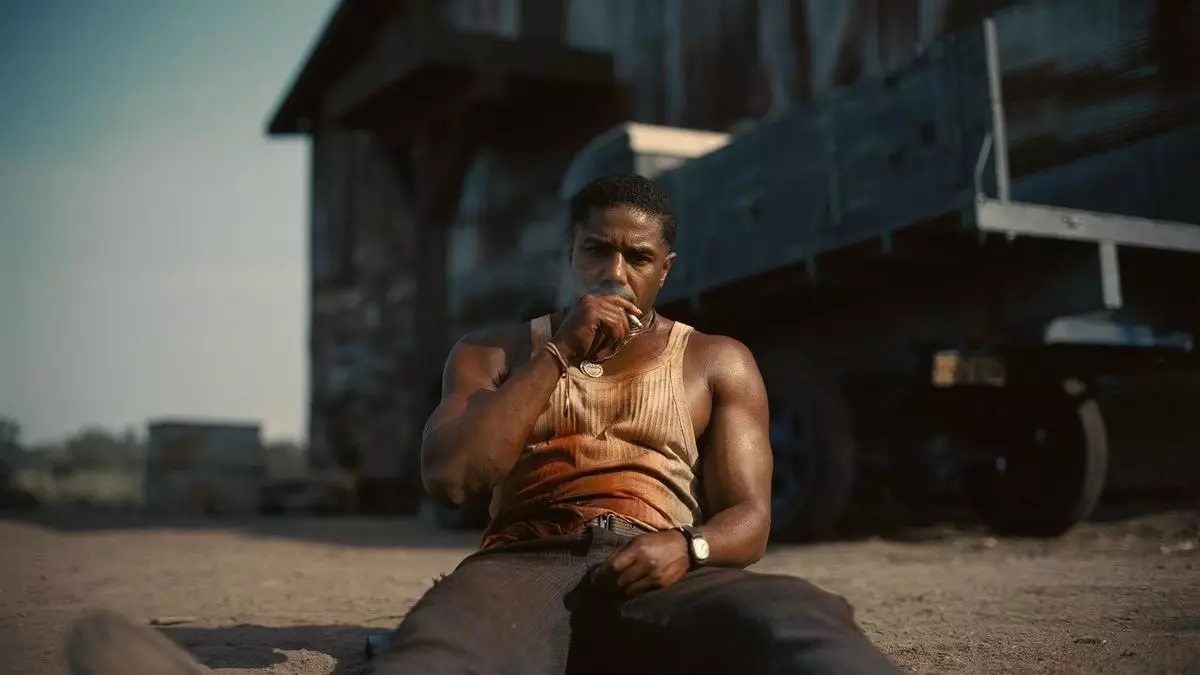
Sinners begins with the arrival of Sammie Moore, portrayed by Miles Caton, who is battered and bruised at a church where he encounters his father, the pastor. This opening scene effectively establishes an atmosphere of tension and intrigue, setting the stage for the unfolding story, which is presented primarily through flashbacks. The plot introduces Sammie’s twin cousins, Smoke and Stack, played by Michael B. Jordan, who come from Chicago with ambitions of launching a juke club. As the story develops, the characters reconnect with their loved ones, Annie and Mary. An important addition to the narrative is Delta Slim, a renowned yet troubled blues harmonica player. Together, these characters unite to create a vibrant juke club, a haven celebrating blues and jazz music.
As the film progresses, it seamlessly transitions into a vampire horror narrative layered with cultural commentary. The antagonists, portrayed as white vampires, disrupt the juke bar, embodying themes of historical appropriation and racial distrust. Critics and commentators from the far right have accused Sinners of promoting a “don’t trust white people” narrative, highlighting the film’s exploration of cultural theft. The obsession of the white vampires with the juke club serves as a metaphor for the long-standing accusations against white Americans for appropriating black culture, a sentiment echoed throughout history, including the controversial legacy of Elvis Presley.
One poignant moment in the film occurs when Delta Slim tells Sammie, “Blues wasn’t forced on us like that religion. Nah, son, we brought this with us from home. It’s magic, what we do. It’s sacred, and big.” This dialogue emphasizes the film’s exploration of black cultural identity in America, suggesting a deep connection between the African American experience and blues music. The mention of slavery and the imposition of Christianity also adds layers to the film’s commentary, leading some viewers to label it as “anti-Christian” or “anti-white.” National Review has criticized Sinners as “cultural heresy,” deeming it a “know-it-all hate fest” driven by diversity, equity, and inclusion agendas that project white guilt.
In addition to ideological critiques, Sinners has faced backlash for its pacing and reliance on clichés, with some viewers feeling that the film’s acclaim and record-breaking nominations are unwarranted, labeling it overhyped and overrated. Director Ryan Coogler, known for his work on Black Panther and Fruitvale Station, has been under scrutiny for exploring themes of black culture and identity, which has made him a target for certain ideological critiques.
Despite the controversies and criticisms, Sinners has undoubtedly made a mark on the cinematic landscape with its impressive tally of nominations at both the BAFTAs and the Academy Awards, marking a significant achievement in its genre.
Also Read: