


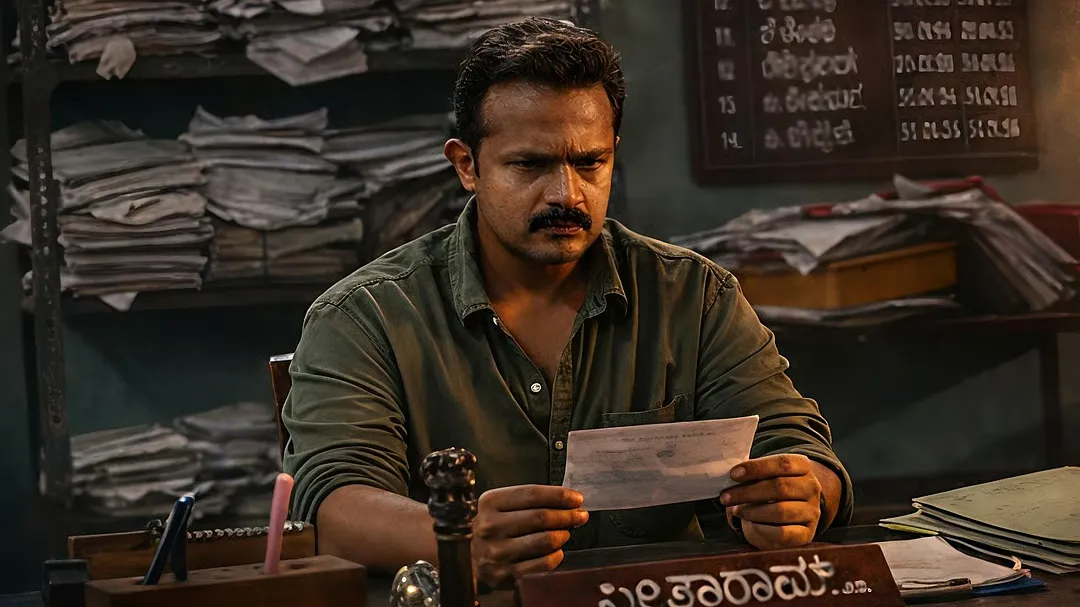
Kannada cinema’s crime thriller landscape has seen a growing presence from actor Vijay Raghavendra, who seems to be cultivating a niche for himself in the role of a meticulous investigator. Following the positive reception of his previous police portrayals in Seetharam Benoy Case No 18 and Case of Kondana, Raghavendra returns with the second installment of the Seetharam Benoy franchise, Second Case of Seetharam. Releasing concurrently with his web series Raakshasa, this new film aims to solidify his standing in the genre. But does this much-anticipated sequel successfully build upon its predecessor, and what are its strengths and weaknesses? Let’s delve into the details.
Story
The narrative of Second Case of Seetharam plunges audiences back into a world where tranquility is short-lived. Two unsettlingly identical murders shatter the calm, with forensic reports hinting at the work of a deeply disturbed individual suffering from antisocial personality disorder. Concurrently, Sebastian (Gopalkrishna Deshpande) emerges, exhibiting erratic behavior and seeking out Seetharam for assistance, inadvertently drawing suspicion to himself due to the nature of the crimes.
Adding another layer of complexity, Seetharam’s estranged sister, disowned by their father years ago, relocates to Aanegudda—the very place, according to Seetharam, “where it all started.” The film skillfully crafts a slow-burning investigation, albeit with moments that test patience, as it gradually unearths the connections between Sebastian, the sister, and the disturbing killings.
Performances
Vijay Raghavendra delivers a commendable performance as Seetharam, infusing the character with a quiet gravitas that feels both authentic and relatable. His understated intensity, coupled with his inherent charm, makes the detective an immediately likable figure.
Gopalkrishna Deshpande, despite limited screen time as Sebastian, leaves a powerful impression, embodying his character’s troubled psyche with conviction. While many of the supporting roles are filled by less familiar faces, the film’s overall direction and technical execution ensure that individual performances blend seamlessly into the broader narrative without becoming distracting, allowing the story to remain the central focus.
Behind the Lens
Director Deviprasad Shetty reprises his structural approach from the first film, using a past crime as a crucial pivot for the present investigation, lending a sense of continuity but also a degree of narrative familiarity. A notable criticism arises from the protagonist’s investigative oversights, with key clues seemingly missed, artificially extending the plot and occasionally diminishing the lead character’s perceived efficacy.
The technical craftsmanship of Second Case of Seetharam is a significant asset. The cinematography, characterized by a dynamic, gimbal-stabilized approach, immerses the viewer directly into the investigation, almost positioning them as an active participant. Conversely, moments of stillness are meticulously composed to reflect the film’s mood and narrative progression.
The musical score plays a vital role in sustaining engagement, effectively heightening tension and emotional beats, though occasionally feeling a touch overbearing. While many technical aspects shine, the editing could have benefited from a sharper approach. A more concise cut might have streamlined the runtime, enhancing the overall impact and pace.
Final Verdict
For enthusiasts of the slow-burn crime thriller, Second Case of Seetharam offers a compelling watch. It presents a multi-layered investigation rich with psychological undertones, unfolding its mystery at a deliberate pace that rewards patient viewing. Despite occasional lulls in pacing and a few investigative choices that feel contrived, the film’s strong mood, solid performances, and impressive technical elements create a genuinely gripping atmosphere.
The emotional resonance and eventual payoff largely mitigate the minor narrative hiccups, ensuring that Second Case of Seetharam delivers sufficient intrigue and intensity to hold its audience’s attention until the very end.