

A Lasting Farewell to a True Screen Legend
Robert Duvall, one of the most respected and enduring figures in American filmmaking, passed away peacefully at age 95. For generations of movie lovers, he was far more than a familiar face—he was a standard of excellence. Whenever Duvall appeared on screen, his presence brought authenticity, depth, and quiet authority.
His wife, Luciana Duvall, confirmed that he died on February 15 at their home in Middleburg, Virginia, surrounded by comfort and family. Over a career spanning more than 60 years, Duvall amassed over 100 film and television credits, earned an Academy Award, received multiple Oscar nominations, and helped shape the language of modern acting.
From Military Roots to the New York Stage
Born January 5, 1931, in San Diego and raised in Annapolis, Maryland, Duvall grew up in a disciplined household led by his father, a U.S. Navy Rear Admiral. After studying drama and briefly serving in the U.S. Army, he moved to New York City to pursue acting seriously.
There, he trained under renowned acting coach Sanford Meisner at the Neighborhood Playhouse, alongside future icons like Dustin Hoffman, Gene Hackman, and James Caan—an era that would later feel legendary in hindsight.
Building a Craft, One Role at a Time
Duvall refined his skills through years of stage work and television, appearing in classic series such as The Twilight Zone, The Untouchables, and Alfred Hitchcock Presents. His film debut as Boo Radley in To Kill a Mockingbird proved how powerful restraint could be.
Widespread recognition followed with The Godfather and The Godfather Part II, where he portrayed Tom Hagen with intelligence and understated strength. His collaborations with Francis Ford Coppola continued in Apocalypse Now, delivering one of cinema’s most quoted performances as Lt. Colonel Kilgore.
Award-Winning Performances and Creative Risks
Duvall earned his Academy Award for Best Actor in Tender Mercies, portraying a broken country singer seeking redemption. Later, he wrote, directed, and starred in The Apostle, reaffirming his commitment to deeply personal storytelling.
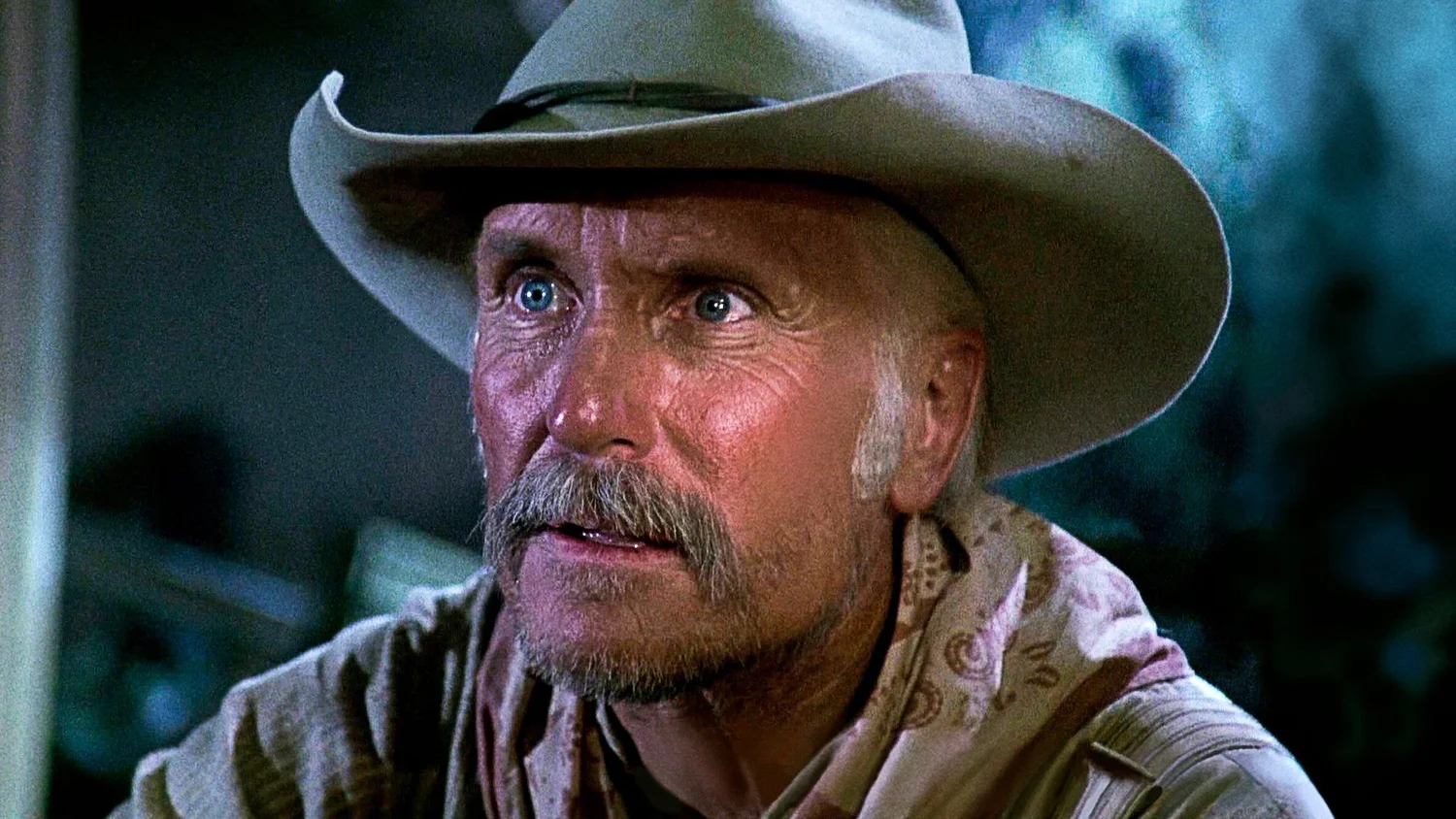
His later work—including Lonesome Dove, A Civil Action, The Judge, and Gone in 60 Seconds—proved that his talent never faded.
A Legacy That Lives On
In honoring his wishes, no formal memorial will be held. Instead, fans are encouraged to celebrate his life through films, shared stories, and quiet moments of reflection—an approach that perfectly reflects his values.
Robert Duvall didn’t chase fame. He pursued truth. And his films remain, waiting to be discovered by generations yet to come.