


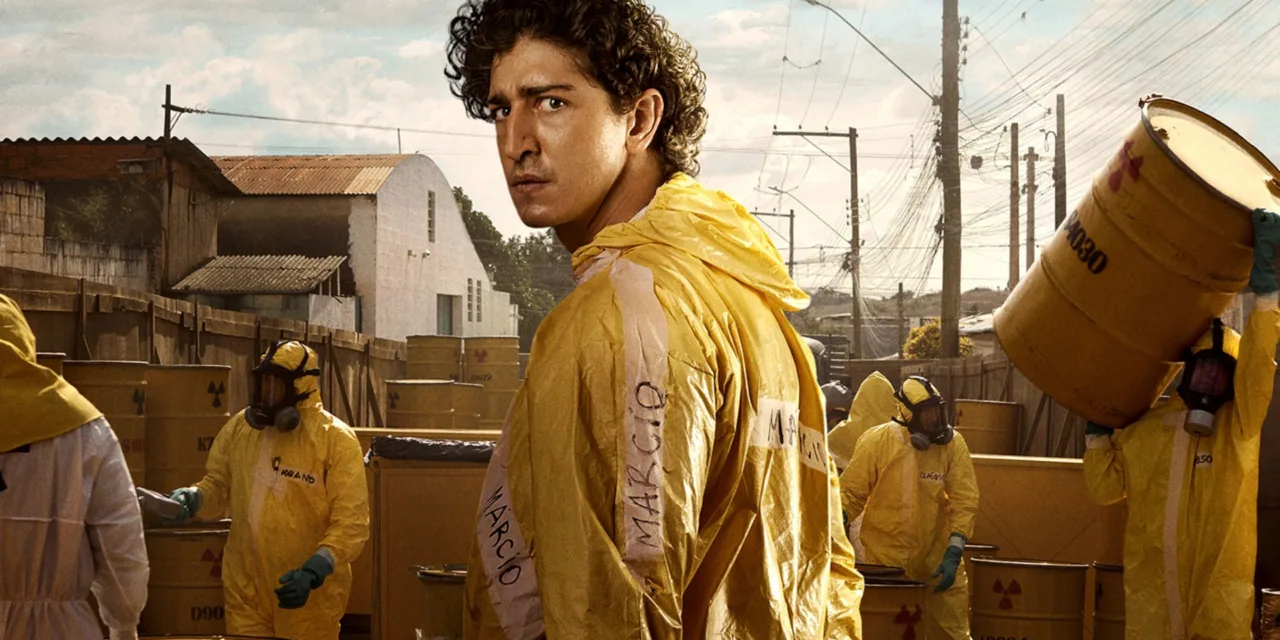
Radioactive Emergency isn’t just another disaster drama—it’s a sobering, pulse-quickening dive into one of history’s most overlooked tragedies. This five-part Netflix miniseries, directed by Fernando Coimbra and Iberê Carvalho and masterfully crafted by Gustavo Lipsztein, brings to light the 1987 Goiânia radiation catastrophe. Set in Brazil, the series unfolds with documentary-like precision, capturing the slow, invisible creep of disaster through the eyes of those who lived it.
Story
In 1987, a group of scrap collectors stumbles upon an abandoned medical clinic and discovers a mysterious, glowing capsule. Intrigued by its eerie beauty, they dismantle the device, unaware it contains lethal caesium-137. What begins as a simple act of curiosity spirals into a public health nightmare as the radioactive material spreads uncontrollably through the community.
Unlike typical disaster narratives filled with explosions and sirens, Radioactive Emergency thrives on silence—the quiet horror of an invisible enemy. The series meticulously chronicles the aftermath: panicked officials, overwhelmed hospitals, and a population paralyzed by fear and misinformation. The tension escalates not through action, but through the realization that no one is safe, and help is agonizingly slow.
Performances
Johnny Massaro delivers a powerful performance as Márcio, a physicist racing against time to contain the outbreak. His urgency is matched by Paulo Gorgulho’s portrayal of Orenstein, a man burdened by scientific responsibility and bureaucratic resistance. Their performances anchor the emotional weight of the series, embodying both intellect and desperation.
The ensemble cast, while functional, often feels underdeveloped—supporting characters serve more as narrative devices than fully realized individuals. Still, the central focus on Márcio and Orenstein ensures emotional continuity amid the chaos.
Behind the Lens
Visually, Radioactive Emergency opts for restraint. With a muted color palette and minimalist production design, the series mirrors the bleak reality of its subject. The direction is deliberate, almost clinical, enhancing the documentary-style authenticity. There are no extravagant effects—just raw, unfiltered human suffering and resilience.
What stands out is the portrayal of frontline workers: nurses, scientists, and volunteers who risk everything. Their heroism is understated but deeply moving, offering glimmers of hope in an otherwise bleak landscape.
Final Verdict
Radioactive Emergency is not easy viewing—it’s slow, emotionally taxing, and hauntingly real. Yet, its educational value is undeniable. It resurrects a forgotten tragedy and transforms it into a powerful cautionary tale about systemic failure, human error, and the invisible dangers that lurk in neglect.
While pacing drags in the middle and secondary characters lack depth, the series excels in atmosphere, authenticity, and impact. For those seeking more than entertainment—a story with purpose—Radioactive Emergency is essential viewing.