

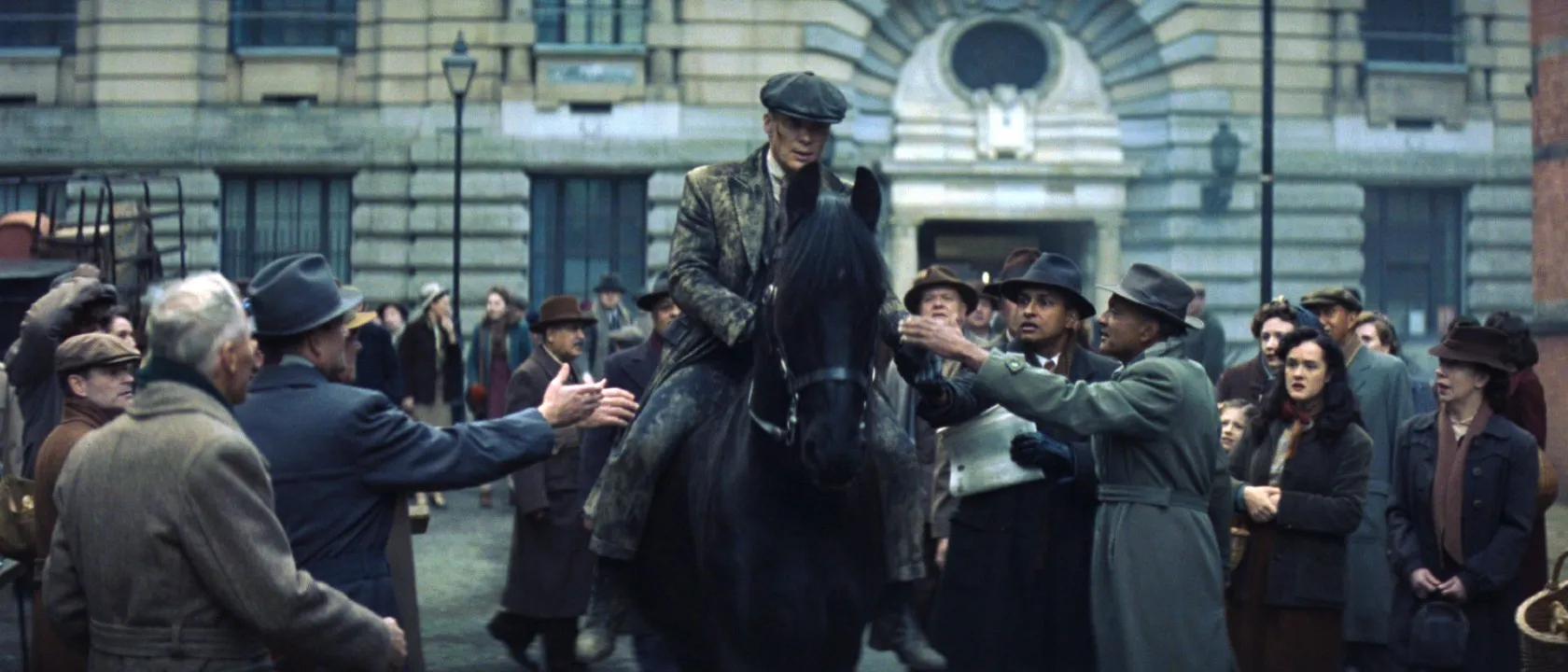
After six groundbreaking seasons, Peaky Blinders makes a triumphant return with The Immortal Man, a cinematic finale that closes the chapter on one of television’s most iconic crime sagas. Written by Steven Knight and directed by Tom Harper, this feature-length conclusion brings Cillian Murphy back as the haunted Tommy Shelby, now older, wearier, and deeper in the grip of his past. Set in 1940 against the backdrop of World War II, the film rekindles the show’s signature tension — blending methodical storytelling with high-octane drama — and delivers a farewell that feels both inevitable and profoundly earned.
Story
The narrative finds Tommy Shelby in self-imposed exile, withdrawn from the world that once feared him. But peace is short-lived. Birmingham is in turmoil under the reckless leadership of Duke, Tommy’s estranged son, portrayed with ferocious energy by Barry Keoghan. As war rages across Europe, Tommy is pulled back into the fray — not just to reclaim order, but to confront the ghosts that have defined his life. The plot unfolds like a ticking time bomb, balancing quiet introspection with explosive confrontations. At its core, The Immortal Man is a tale of legacy, identity, and reckoning — a full-circle journey that echoes Tommy’s traumatic past in the trenches while launching the Peaky Blinders into a new, volatile era.
Performances
Cillian Murphy is nothing short of mesmerizing, embodying Tommy’s quiet intensity and emotional restraint with a masterful subtlety that defines his legacy. Every glance, every measured word carries decades of pain and power. Opposite him, Barry Keoghan explodes onto the screen as Duke — volatile, charismatic, and tragically flawed. Their dynamic is electric: Murphy’s stoicism contrasts perfectly with Keoghan’s unpredictable fire, creating a father-son clash that’s both personal and mythic. Together, they anchor the film with performances that are raw, layered, and unforgettable.
Behind the Lens
Steven Knight’s script remains sharp and poetic, weaving historical gravity with personal drama. Tom Harper’s direction honors the series’ visual legacy — think smoky interiors, sweeping landscapes, and stark wartime imagery. The cinematography remains a character in itself, with its moody palettes and stark contrasts enhancing the story’s emotional weight. From explosive shootouts to silent, soul-crushing moments, every frame feels meticulously crafted.
Final Verdict
Peaky Blinders: The Immortal Man is a worthy, cinematic send-off. It honors the series’ roots while boldly stepping into the future. With powerhouse performances, gripping storytelling, and stunning visuals, it stands not just as a finale — but as a bold new chapter in a legendary saga.
Peaky Blinders: The Immortal Man is now streaming on Netflix.
Also Read:
A New Era for “Peaky Blinders”: Steven Knight Confirms Two-Season Sequel