

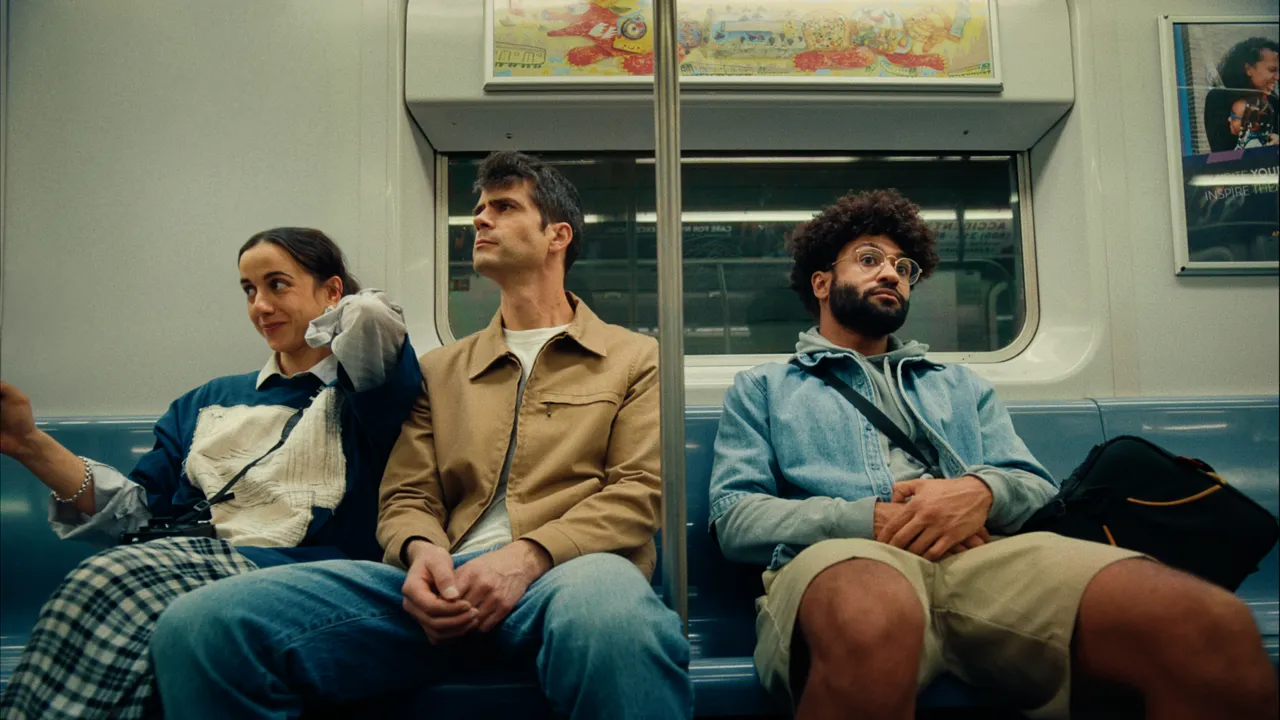
The landscape of independent cinema is often defined by its ability to capture the quiet, uncomfortable truths of the human experience. The Travel Companion, the debut feature from co-directors Alex Mallis and Travis Wood, does exactly this. It is a nuanced comedy-drama that peels back the layers of professional jealousy, creative stagnation, and the fragility of long-term friendships. After making waves at the Tribeca Film Festival and various screenings, this thoughtfully crafted production is set to hit theaters on April 10th.
A Comically Awkward Look at Ambition and Envy
The narrative follows Simon, portrayed by Tristan Turner, an aspiring filmmaker whose passion for the craft is slowly being suffocated by the harsh realities of the industry. To keep his head above water, Simon works a mundane day job recording footage of taxis, a stark contrast to the grand cinematic visions he harbors. His primary advantage in the competitive world of film is his ability to reach exotic filming locations—a perk tied entirely to his best friend.
That friend, Bruce (played by Anthony Oberbeck), works for an airline and provides Simon with free standby travel. This symbiotic relationship provides Simon with the literal and figurative “wings” he needs to pursue his dreams. However, the equilibrium is shattered when Bruce begins a romance with Beatrice, played by Naomi Asa in her impressive first feature role. As Beatrice—also a filmmaker—becomes Bruce’s new priority, Simon is forced to confront not only the loss of his travel benefits but the terrifying reality of his own professional insecurity.
The Turbulent Dynamics of Male Friendships
At its heart, The Travel Companion is a study of the unsaid. The script, a collaborative effort between Mallis, Wood, and producer Weston Auburn, leans heavily into the specific dysfunctions of male communication. The directors famously remarked that the entire conflict of the film could be resolved in minutes if men simply possessed the tools to talk to one another.
The chemistry between Tristan Turner and Anthony Oberbeck is palpable. Their friendship is conveyed through snippets of mundane banter and inside jokes that feel lived-in and authentic. Tristan Turner’s performance is particularly noteworthy; he manages to make Simon simultaneously annoying and deeply sympathetic, capturing the frantic energy of someone trying to project confidence while drowning in self-doubt.
A Masterclass in Low-Budget Filmmaking
Interestingly, the film mirrors the real-life struggles of its creators. Alex Mallis and Travis Wood utilized a “guerrilla” style of filmmaking, often shooting with vague plans and discovering the heart of the story during the editing process. Operating on a shoestring budget, the production relied on what the team calls “small miracles”—from borrowing local restaurants for sets to casting novice actors who delivered remarkably natural performances.
The film’s aesthetic is bolstered by unconventional camera work and a minimalist score, creating an atmosphere that feels both intimate and slightly surreal. It captures the “quirky” and often exhausting hurdles that define the lives of those working on the fringes of the film industry.
A Poignant Conclusion to a Soulful Journey
As the plot unfolds, the audience witnesses the slow erosion of a brotherhood. Simon’s resentment of Bruce’s new life and Naomi Asa’s character, Beatrice, serves as a catalyst for his eventual artistic breakthrough. Beatrice is not a mere plot device; she is a formidable character who forces Simon to stop dreaming and start looking at his reality.
The Travel Companion concludes with a beautifully understated metaphor that signals Simon’s growth. It is a film that doesn’t provide easy answers but offers a relatable, honest, and ultimately rewarding look at what happens when our personal and professional lives collide in the most awkward ways possible.