


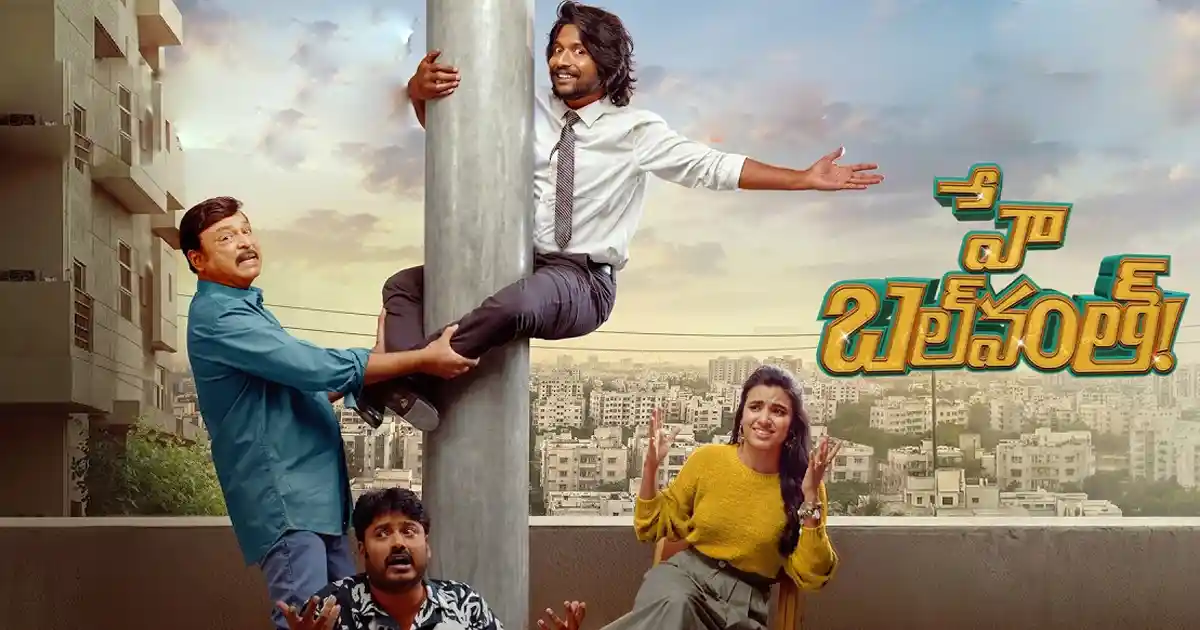
Suhas has been a dependable name in Telugu cinema, yet a recent run of box‑office flops has left his star dimming. Teaming up with director Gopi Atchara and producers Bunny Vasu & Vamsi Nandipati, the actor now heads Hey Balwanth, a comedy‑drama that promises a fresh business‑centric premise. This review dissects whether the film lives up to its promise and if it can finally restore Suhas’s winning streak.
Story
The plot follows Krishna (Suhas), an MBA‑trained, middle‑class youngster who idolises his father’s enterprise despite not understanding its workings. After a brief stint as a business consultant, Krishna volunteers with an NGO led by Mithra (Shivani Nagaram), only to be thrust back into his family’s firm when circumstances demand his leadership. The narrative charts his awkward foray into a world he barely knows, unveiling hidden agendas, family secrets, and the personal costs of stepping into an unfamiliar boardroom. While the first half leans heavily on situational comedy and the novelty of the “odd business” set‑up, the second half drifts into heavier emotional and social commentary, creating a tonal tug‑of‑war that shapes the film’s overall rhythm.
Performances
Suhas nails the role of an earnest, aspirational youth, delivering his signature blend of effortless charm and subtle vulnerability. His comic timing shines, especially in scenes where he juggles corporate jargon with street‑level wit. Shivani Nagaram adds more than a decorative love interest; her portrayal of an empowered partner offers genuine stakes and solid chemistry with Suhas. Veteran Naresh steals the spotlight in the post‑interval segment, balancing humor with poignant moments, while Vennela Kishore and Sudarshan provide reliable laughs through their trademark one‑liners and double‑meaning dialogues. Lesser‑developed characters such as Harsha Vardhan and Ajay Ghosh suffer from thin writing, but the ensemble as a whole maintains a lively, entertaining vibe.
Behind the Lens
Composer Vivek Sagar supplies a vibrant soundtrack that fuses funky beats, classical motifs, and modern synths, sustaining the film’s upbeat atmosphere. The background score, however, repeats itself during the more sentimental sequences. Cinematography captures the locales functionally but lacks the visual flair that could have elevated the quirky business setting. Editing holds the narrative together in the first half; the latter portion feels stretched, with prolonged emotional scenes that could have benefited from tighter cuts. Gopi Atchara structures the film around a distinctive premise that shines early on, yet the shift toward preachy social messages in the climax dilutes the original comedic thrust.
Final Verdict
Hey Balwanth works best when it leans into its off‑beat premise and situational humor. Suhas anchors the film with a relatable performance, and the early comedy sequences deliver genuine amusement. Nevertheless, the second half’s heavy‑handed drama and didactic messaging create an uneven viewing experience, causing the momentum to falter. For audiences seeking lighthearted Telugu comedy with a fresh business twist, the movie offers enough laughs for a single enjoyable watch, but don’t anticipate a consistently compelling emotional payoff.