


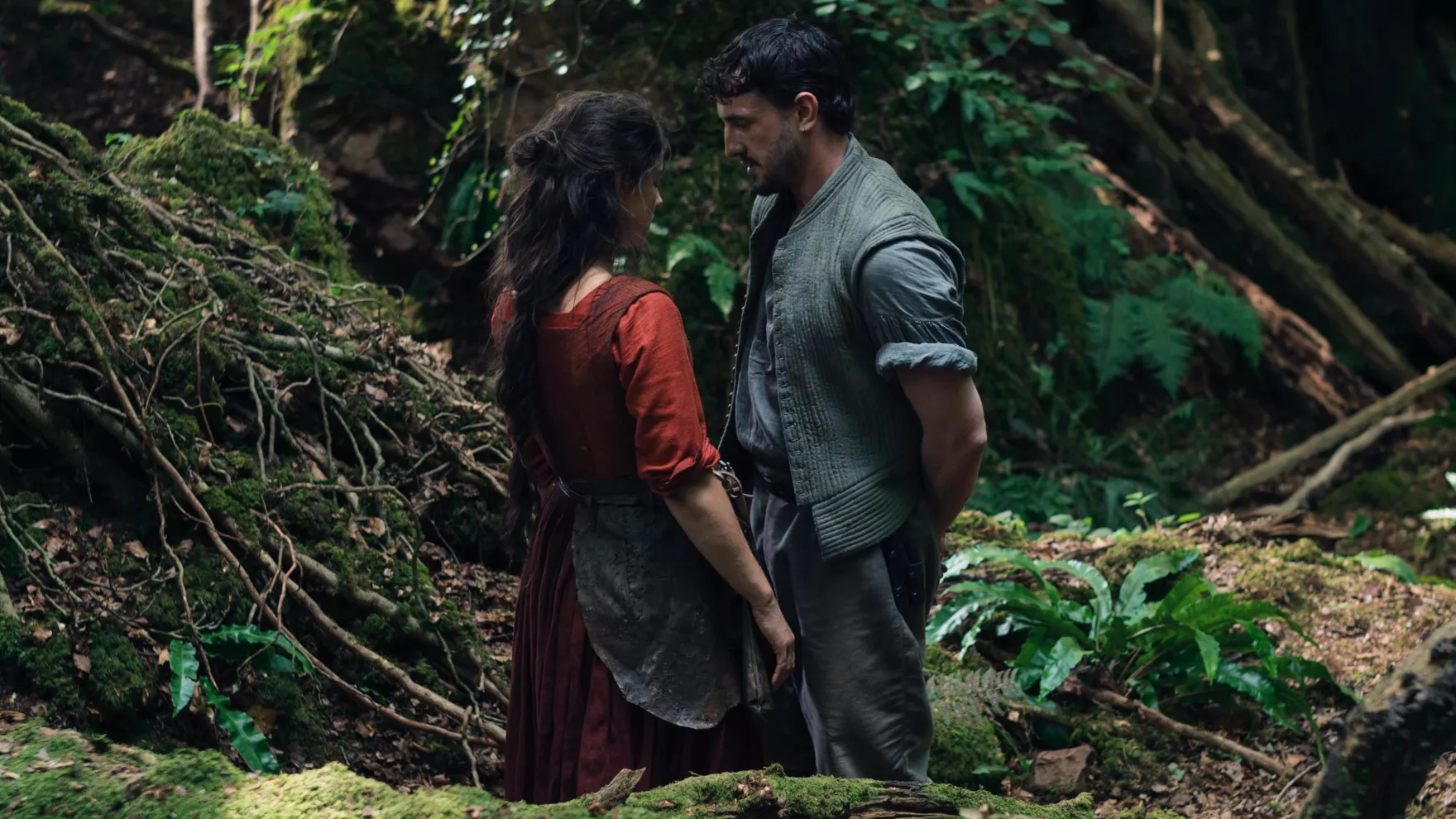
There are movies that pass through you—and then there are those that take root. Hamnet, released in India on February 27, Chloé Zhao’s poignant adaptation of Maggie O’Farrell’s acclaimed novel, belongs to the latter. Far from a conventional biopic about Shakespeare, this is an intimate meditation on love, mourning, and the silent birth of art from sorrow. With restrained elegance and emotional precision, Hamnet transforms a historical footnote into a timeless human story.
Story
Set against the shadow of plague-ridden 16th-century England, Hamnet traces the fragile beauty of a marriage and the devastating rupture of a child’s death. The film quietly suggests how personal tragedy may have shaped one of literature’s greatest works—Hamlet—without ever turning William Shakespeare into a myth. Instead, it centers on his wife, Agnes, and the life they built away from the London stage. The narrative unfolds with poetic slowness, honoring the rhythms of domestic life before shattering them with unbearable loss. What follows isn’t a tale of genius, but of ordinary people navigating the unbearable weight of absence.
Performances
Jessie Buckley delivers a career-defining performance as Agnes—fierce, intuitive, and grounded in nature. Her portrayal of grief is not loud, but seismic: conveyed in stillness, in the way she stares into a fire, or pauses mid-step. Paul Mescal, as the young Shakespeare, embodies restrained sorrow, speaking volumes through silence. His emotional withdrawal creates a chasm between the couple, mirroring the film’s deeper theme—how grief can both unite and isolate.
Behind the Lens
Chloé Zhao’s direction is tactile and immersive. Using intimate close-ups, natural light, and a soundscape alive with breath and wind, she turns memory into texture. The pacing demands patience—especially in the first act—but every lingering frame builds emotional gravity. This isn’t spectacle; it’s sensory storytelling, where every rustle of cloth or flicker of candlelight feels intentional.
Final Verdict
Hamnet may not satisfy literary purists, but as a cinematic experience, it’s unforgettable. In a season of noise and grandeur, it stands out for its quiet courage—its willingness to sit in sorrow and find beauty there. A haunting, artistically bold film that lingers long after the credits. See it for the performances, stay for the soul.