

David Victori’s Firebreak is more than a Spanish psychological drama—it’s a chilling reflection of our fractured times. In an era defined by polarization, misinformation, and environmental collapse, the film dares to ask: why do we turn on each other instead of the systems truly harming us? On the surface, it’s a missing-child thriller set against a wildfire. But beneath the smoke lies a commentary on collective rage, eroding trust, and the narratives we cling to when reality becomes too hard to face.
The Story: Fire, Fear, and the Illusion of Control
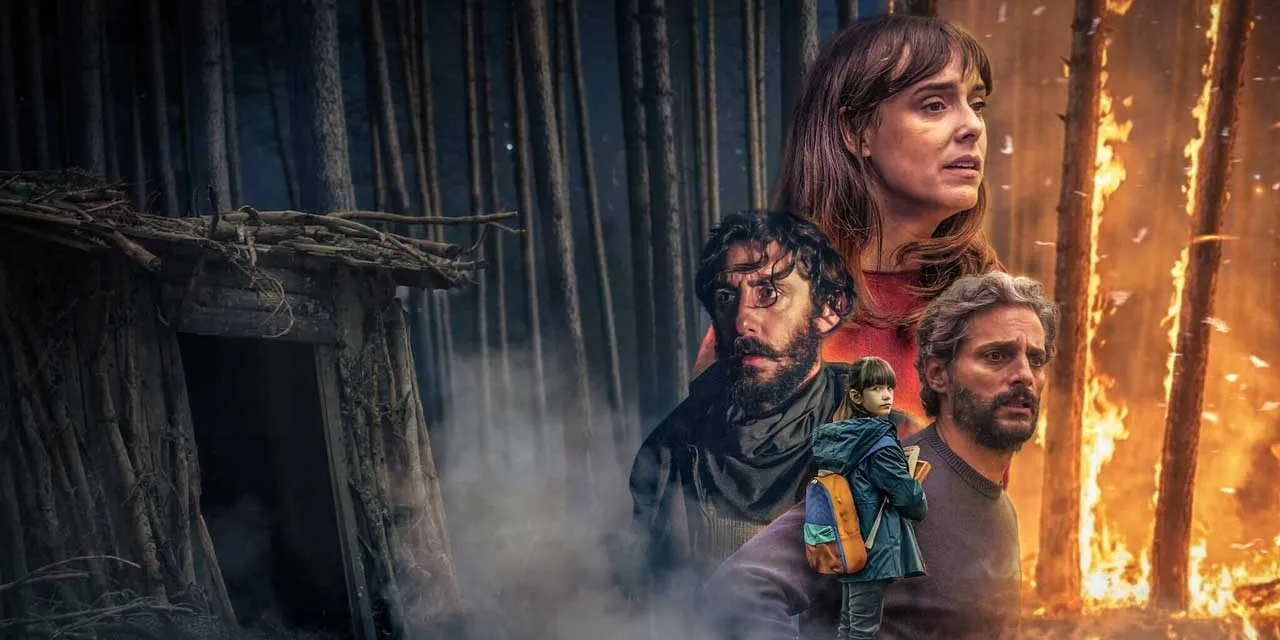
Streaming on Netflix, the film opens with a spark—literally. A malfunctioning radio tower ignites a forest fire just as Mara, her daughter Lide, and extended family arrive at their remote woodland cabin to pack up belongings following the death of Mara’s husband, Gus. What begins as a somber farewell spirals into chaos when Lide vanishes. With evacuation orders in place and police abandoning the search, Mara refuses to leave—and soon suspects their neighbor, Santi, of abduction.
But Firebreak isn’t about a kidnapping. It’s about how trauma, grief, and societal tension warp perception. As panic sets in, the family turns on each other and their neighbor, revealing deep-seated biases. The encroaching wildfire becomes a powerful metaphor for the climate emergency we ignore while blaming fellow victims. The film critiques how we weaponize suspicion instead of confronting those in power, offering a stark look at how easily empathy erodes under pressure.
Performances: Human Emotion Under Pressure
The cast delivers raw, compelling performances. Belen Cuesta captures a mother’s desperation with heartbreaking authenticity, while Joaquin Furriel masterfully embodies a man unraveling under stress. Diana Gomez stands out as the voice of reason, and Enric Auquer is a revelation—his subtle, enigmatic performance acts as a litmus test for the audience’s own biases. Is Santi a threat or a scapegoat? His character challenges viewers to examine their instincts.
Behind the Lens: Style vs. Substance
Victori employs shifting aspect ratios to heighten tension and evoke claustrophobia, supported by immersive sound design and striking visuals. The VFX and cinematography excel, especially in depicting the wildfire’s relentless advance. Yet, the storytelling feels uneven—slow in the first act, rushed in the third. The ambitious themes are clear early on, diminishing suspense. While the message remains potent, the execution lacks the gripping momentum it deserves.
Final Verdict: A Flawed but Necessary Watch
Firebreak stumbles narratively but succeeds as a provocative allegory. It’s not perfect, but it’s important. For viewers willing to look beyond its pacing issues, the film offers a sobering mirror to our collective failures. Recommended for fans of socially conscious thrillers like Bodies Bodies Bodies or Ugly.
Also Read:
🔥”Firebreak”: Netflix’s Next Big Thriller Arrives February 20