


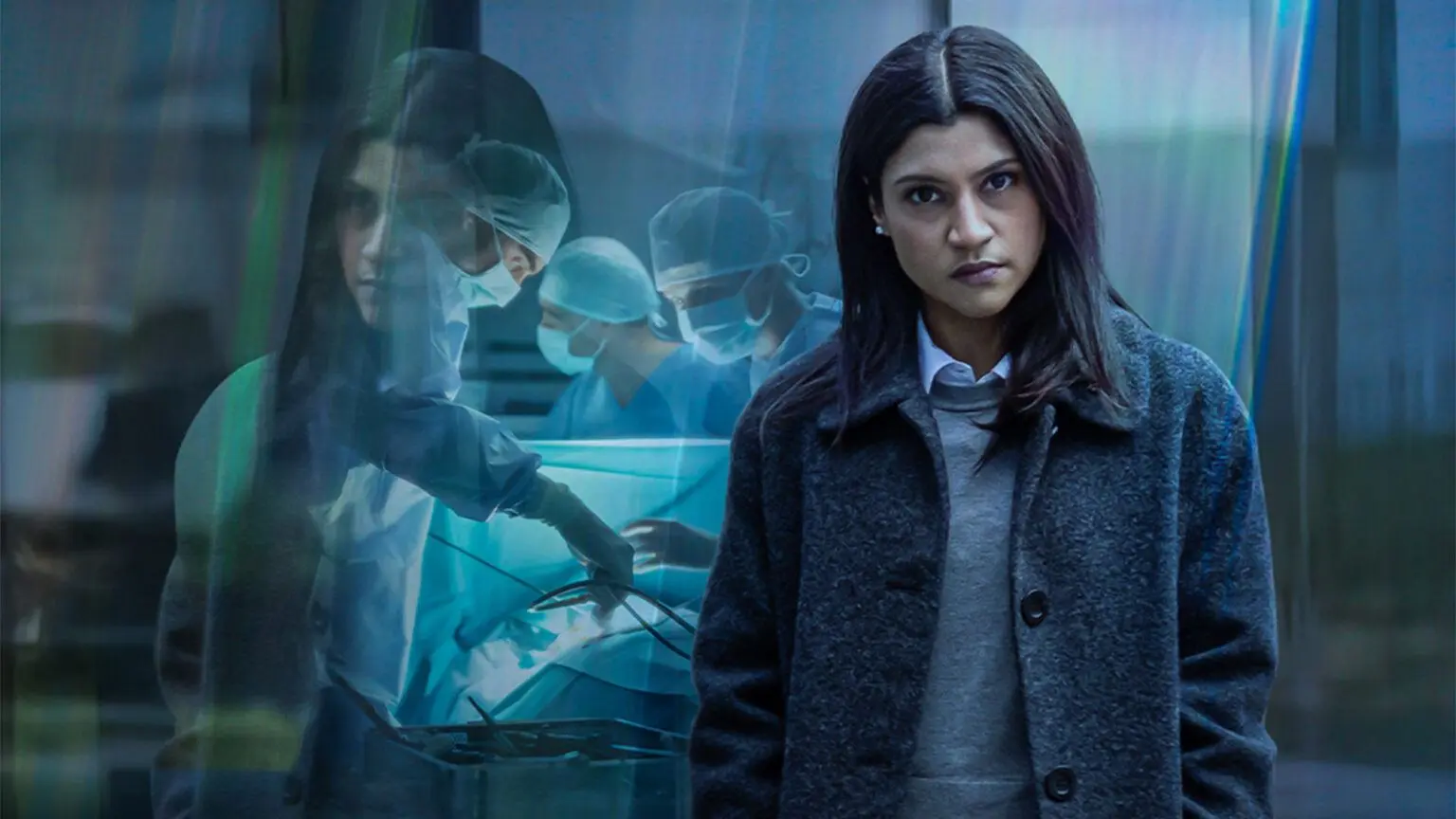
Netflix’s latest offering, Accused, brings together Konkona Sen Sharma and Pratibha Rannta for a tightly wound psychological thriller set against the backdrop of London’s elite medical community. Directed by Anubhuti Kashyap, the film follows two accomplished gynecologists whose marriage and careers crumble under the weight of a sexual‑misconduct allegation. In a landscape where queer narratives are often reduced to tragedy or feel‑good rom‑coms, Accused dares to treat a same‑sex partnership as ordinary—making its understated approach the very thing that feels revolutionary.
Story
Dr. Geetika (Konkona) is a revered gynecologist whose reputation is shattered when a former patient accuses her of sexual impropriety. As the inquiry gains media traction, the investigation leaks into her personal life, exposing cracks in her marriage to Dr. Meera (Pratibha).
The screenplay refuses to lean on the couple’s sexuality for drama; instead, it explores universal themes of trust, power, and the corrosive effect of public opinion. The narrative’s tension stems from the slow erosion of professional standing and marital intimacy, not from identity politics. By the time the film reaches its climax, viewers are left in a moral gray zone, forced to confront the discomfort of judgment without easy answers.
Performances
Konkona Sen Sharma delivers a career‑defining turn as Geetika—magnetic, volatile, and painfully human. She oscillates between fierce confidence and vulnerable doubt, pulling the audience through every emotional twist. Pratibha Rannta, fresh from her praised work in Laapataa Ladies, shines as Meera, embodying quiet strength and suppressed anguish. Her nuanced portrayal captures the tug‑of‑war between love and suspicion without slipping into melodrama. The supporting cast—Sukant Goel, Daniele Secondi, and Monica Mahendru—provide solid back‑drops, yet the film’s true engine is the chemistry and conflict between its two leads.
Behind the Lens
Anubhuti Kashyap exercises masterful control over tone, allowing suspense to simmer rather than explode. The direction is marked by restraint; the camera lingers on everyday gestures, letting the dread of reputation loss and social‑media frenzy do the heavy lifting. Kashyap also interrogates the paradox of women in authority: power can both elevate and corrupt. The film’s visual language stays sharp yet non‑judgmental, respecting the audience’s intelligence and refusing to preach moral superiority. This subtlety makes Accused feel less like a courtroom drama and more like a study of how quickly a life can be de‑constructed when trust is hijacked.
Final Verdict
Accused earns a solid four‑star rating for its quiet audacity. It presents a queer relationship without turning queerness into a spectacle, while simultaneously tackling abuse of power and the relentless gaze of public scrutiny. The story’s “normalcy” is its most disruptive element, reminding us that LGBTQ characters deserve narratives that extend beyond their sexual identities. Though Dr. Meera’s inner world could have been explored more deeply, the film’s overall composition, powerful performances, and restrained direction make it a standout entry in contemporary thriller cinema.
Also Read:
“Accused” OTT Release: Konkona Sen Sharma & Pratibha Ranta’s Bold Queer Thriller Arrives on Netflix