

Once hailed as the pinnacle of modern television, Game of Thrones fell from grace during its final chapters, leaving fans divided and weary. While House of the Dragon offered glimpses of redemption, its second season failed to reignite the spark for many. That’s the backdrop against which HBO’s latest entry, A Knight of the Seven Kingdoms, emerged — a series I approached with cautious detachment. What I found was something rare: a return to heartfelt, character-driven storytelling that quietly but powerfully breathes new life into the Westeros saga.
Story
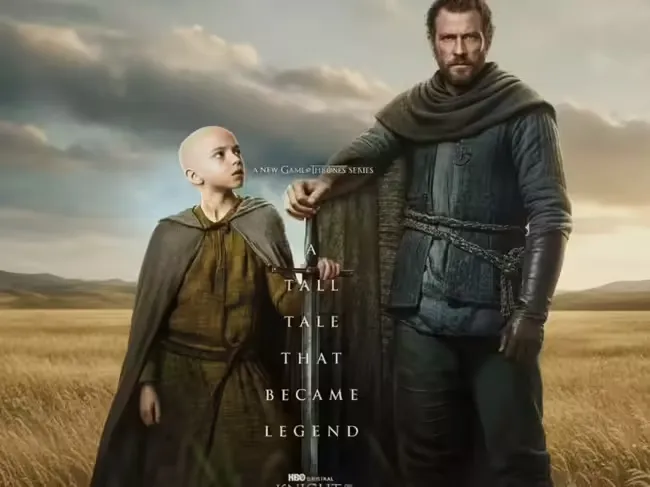
Set about a century before Game of Thrones, the series follows the humble journey of Ser Duncan the Tall, a wandering hedge knight without titles or lands, and Egg — a spirited, sharp-witted boy who becomes his squire. From the moment Ramin Djawadi’s iconic theme swells, it’s clear this is a different kind of Westerosi tale.
The stakes here aren’t about the fate of kingdoms or epic battles; they’re personal. Duncan struggles to afford armor, food, and the dignity befitting his code of honor — a code that could easily cost him his life. Egg’s presence brings both levity and emotional complexity, their growing bond forming the beating heart of the story.
Performances
Peter Claffey’s portrayal of Duncan is a revelation — warm, awkward, and utterly sincere. His performance grounds the series, making the knight’s moral dilemmas resonate deeply. Dexter Sol Ansell shines as Egg, balancing wit and vulnerability with surprising maturity. Daniel Ings’ Lyonel Baratheon exudes a rare charm in this often gritty universe, adding a refreshing dynamic to the ensemble.
Episode five stands out as a masterclass in tension and emotional payoff, showcasing the strength of the cast and the focused writing.
Behind the Scenes
Visually, A Knight of the Seven Kingdoms embraces restraint. Natural lighting, textured landscapes, and lived-in sets give Westeros a tangible realism, far removed from the glossy spectacle of its predecessors. The production design favors authenticity over grandeur, keeping the world grounded and human.
Notably, the show sidesteps overused tropes — dragons are absent, political scheming is minimal, and familiar houses are referenced only when necessary. House Targaryen and House Baratheon play roles, but the narrative leans on themes of class disparity and personal consequence rather than sprawling intrigue.
Final Verdict
With just six half-hour episodes, the season feels almost too brief, ending just as its rhythm truly settles. Yet, its brevity is also its strength — a tightly woven, character-focused narrative that leaves you wanting more.
For those disillusioned by the later seasons of Game of Thrones or the uneven pacing of House of the Dragon, A Knight of the Seven Kingdoms is a reminder of why Westeros captivated us in the first place. It’s a quieter, more intimate story — and in that simplicity, it finds its magic again.