

A New Documentary Spotlighting a Chess Legend
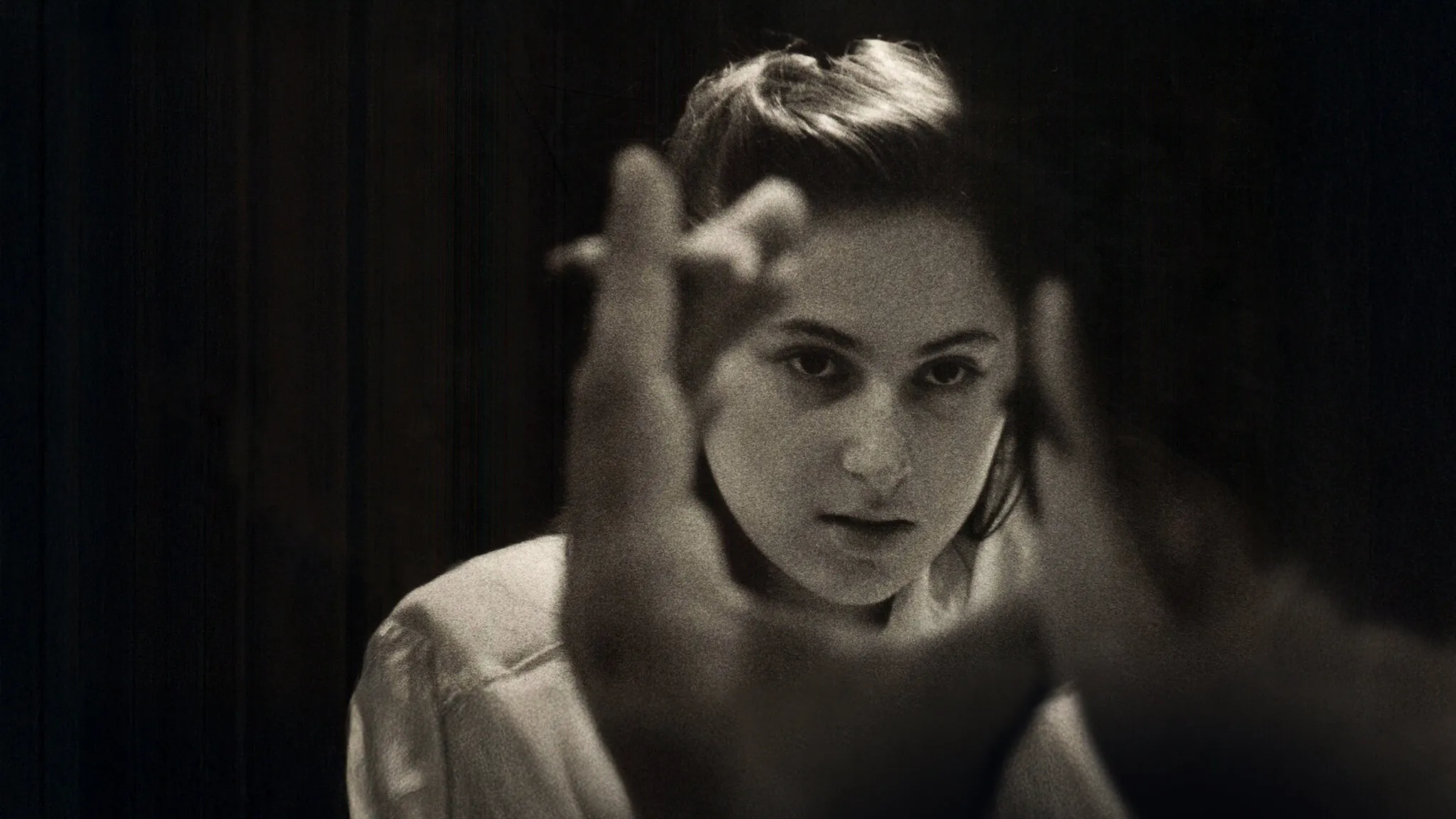
The Netflix documentary Queen of Chess brings to light the remarkable story of Judit Polgár, a Hungarian chess grandmaster hailed as the finest female player in history. This film depicts Polgár’s extraordinary rise in a male-dominated sport, facing challengers, societal constraints, and even the legendary world champion Garry Kasparov, to secure her position among the game’s elite.
As global interest in chess experiences a resurgence, Queen of Chess uncovers an inspiring tale that remains largely unknown to those outside the chess circle. Following its positive reception at the Sundance Film Festival, the documentary is set to reach a broader audience via Netflix. At its heart, it addresses why Polgár’s journey is relevant today: her life exemplifies the fight against gender inequality in sports and serves as a testament to challenging norms and reshaping the landscape of competitive chess.
Balancing Intensity with Intimacy
Blending the excitement of high-stakes sports competition with a personal narrative, Queen of Chess features engaging interviews and archival materials that convey both inspiration and realism. The film celebrates Polgár’s achievements while also confronting the obstacles she faced, including rampant sexism and skepticism directed toward a young female competitor in a traditionally male environment. It captures the immense pressure of being labeled a prodigy and portrays Polgár as a resilient competitor who confronted the demands of elite chess and the expectations placed on her from an early age. Despite the weight of these pressures, the film maintains an uplifting tone, focusing on Polgár’s determination and love for chess rather than portraying her as a victim.
A Thoughtful Direction
Directed by Rory Kennedy, an Academy Award-nominated filmmaker known for her social issue documentaries such as Last Days in Vietnam and Downfall: The Case Against Boeing, Queen of Chess provides a nuanced exploration of Polgár’s story within the larger context of cultural evolution. Under Kennedy’s vision, Polgár’s rise becomes a narrative about overcoming barriers, aligning with the director’s focus on courageous figures and resilience. Teaming up again with producers Mark Bailey and Keven McAlester, this premiere at Sundance represents a significant moment for Kennedy, whose career was initially elevated by the festival. Now, with Netflix’s vast platform, Queen of Chess aims to introduce Judit Polgár’s inspiring story to audiences worldwide.
The Roots of a Champion
The narrative begins in late-1980s Budapest, where Judit and her two older sisters were raised in a small apartment as part of an innovative educational experiment. Their father, László Polgár, a firm believer that genius is cultivated rather than innate, sought to prove his theory by training his daughters to become chess champions. The documentary reveals this unconventional upbringing, highlighting home-schooling, rigorous chess practice, and a relentless pursuit of excellence. This regimen, while drawing criticism for its intensity, yielded extraordinary results. By age 12, Judit was the top-ranked female chess player globally; by 15, she had earned the coveted grandmaster title, breaking Bobby Fischer’s record as the youngest grandmaster. Queen of Chess illustrates how these achievements were just the beginning of her quest to redefine the possible for women in chess.
Confronting the Chess Establishment
As her career evolved, the film accompanies Polgár into the strongholds of international chess, often portraying her as the solitary woman competing at the grandmaster level. The atmosphere of the early 1990s and 2000s tournaments is skillfully captured, including the tension-filled tournament halls and the strategic duels behind every move. One pivotal figure is Garry Kasparov, who, during much of Polgár’s formative years, embodied the traditional chess establishment. The documentary builds toward their notable encounters, including a historic moment in 2002 when Polgár triumphed over Kasparov—a victory that resonated throughout the chess community. The film emphasizes that this confrontation held significance beyond personal achievement for Polgár, representing a breakthrough for women in the sport.
Beyond Rivalry: Building Mutual Respect
While the rivalry is a key narrative thread, Queen of Chess also delves into the evolving relationships and respect that emerged over time. It features insights from Polgár’s contemporaries, including Kasparov, who now reflects on her groundbreaking contributions. Family members, including her sisters Susan and Sofia, both accomplished players, and her supportive parents share how their dynamic influenced Judit’s chess journey. These perspectives provide a fuller picture of Polgár as not just a warrior but as someone rooted in a family that dared to defy conventions. The film showcases moments of camaraderie and respect, illustrating that Polgár’s path, although often contentious, garnered genuine admiration in a realm that initially resisted her.
Chess: A Story of Inspiration and Inclusion
Queen of Chess fits into the recent surge of sports documentaries designed to appeal to a wide audience. Similar to Netflix’s acclaimed series The Queen’s Gambit, which fictionalized the chess experience, this documentary brings the real-life chess world to life compellingly—without the embellishments of fiction. It harnesses the authenticity of actual matches while offering engaging visuals and clear explanations, making chess accessible even to those unfamiliar with the game. Meanwhile, chess aficionados will appreciate the accurate representation of pivotal moments in Polgár’s career. The result is a multifaceted film that serves as both the biography of a remarkable individual and a commentary on the gender dynamics in a historically male-dominated domain.
A Lasting Legacy
Judit Polgár’s influence extends well beyond her accomplishments on the chessboard, and Queen of Chess highlights this legacy. Although she retired from competitive chess in 2014, she remains a venerated figure and an inspirational role model, particularly for young women in competitive fields. The documentary illustrates how her achievements shattered an implicit glass ceiling in chess, leading to increased female participation and visibility in the sport—a significant shift that still has a long way to go. Today, Polgár’s story resonates far beyond Hungary, representing anyone who has faced challenges in pursuit of their dreams.
Reflection and Forward Momentum
In its finale, Queen of Chess reflects on the implications of Polgár’s journey today. We see her as a confident leader, now thriving as a coach, commentator, and ambassador for chess, underscoring her ongoing influence. The film invites viewers to consider not only how Polgár changed the game of chess but how pioneers like her continue to reshape perceptions across all fields. This aligns with a broader trend in documentary filmmaking, where platforms such as Netflix elevate narratives of trailblazers and barrier-breakers. By sharing Polgár’s inspiring journey with a global audience, Queen of Chess transcends being merely a sports biography; it serves as both a source of inspiration and a historical account of how one girl’s defiance of convention echoed across the world while paving the way for future moves toward equality, both on and off the chessboard.
Also Read:
Netflix’s “Queen of Chess”: Judit Polgár’s Game-Changing Journey Premieres at Sundance 2026