

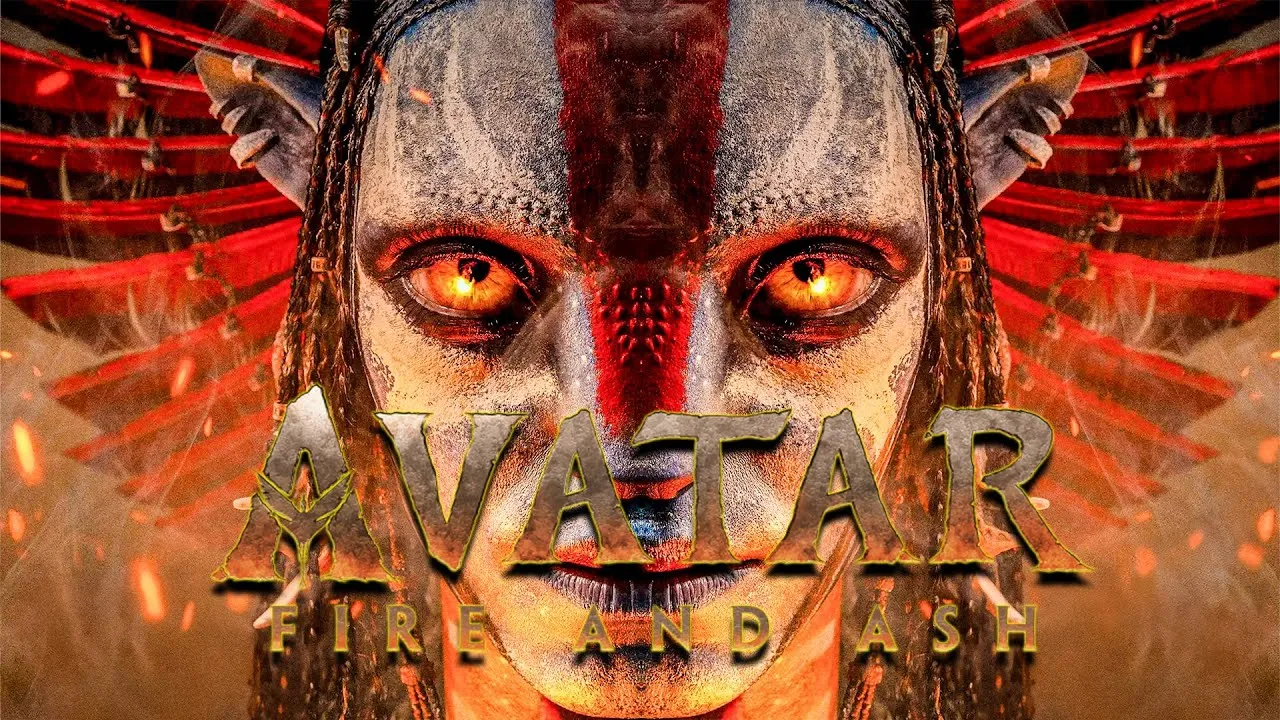
The world of Pandora returns to the big screen in Avatar: Fire and Ash, the third chapter in James Cameron’s genre-defining saga. Known for raising the bar in visual effects and immersive storytelling, Cameron once again delivers a cinematic juggernaut—blending jaw-dropping visuals, emotional depth, and adrenaline-pumping action. Clocking in at over three hours, this film is an unmissable ride for fans of the franchise, offering both heart-wrenching drama and awe-inspiring spectacle.
Story
Set in the aftermath of Neteyam’s tragic death, the film picks up with the Sully family navigating grief, tension, and escalating conflict. Neytiri struggles to accept Spider, the human son of her sworn enemy, within their household—despite her children’s bond with him. Jake, torn between protecting his family and safeguarding the Metkayina clan, faces impossible decisions that deepen family rifts.
Meanwhile, Colonel Quaritch returns with sharper tactics and a dangerous new alliance. Partnering with Varang, the ruthless leader of the Mangkwan clan who has renounced Eywa, Quaritch taps into the divisions among the Na’vi to further his goals. Varang, portrayed with chilling intensity by Oona Chaplin, emerges as one of the franchise’s most formidable antagonists—combining lethal cunning with magnetic charisma.
The stakes are higher than ever, with Pandora’s fate hanging in the balance. The narrative explores themes of vengeance, sacrifice, and moral compromise, leaving audiences questioning the true cost of victory.
Performances
Sam Worthington and Zoe Saldaña deliver emotionally charged performances as Jake and Neytiri, portraying the strain of loss and leadership with authenticity. Britain Dalton, Trinity Bliss, and Sigourney Weaver bring depth to the younger characters, while Jack Champion’s Spider adds complexity to the family dynamic.
Stephen Lang’s Quaritch evolves beyond a one-dimensional villain, and Oona Chaplin’s Varang is a standout—commanding every scene she’s in with a dangerous allure that will have viewers both fearing and admiring her.
Behind the Scenes
Cameron’s mastery of 3D filmmaking reaches new heights here. From the fluid underwater sequences with Tulkun to the fiery landscapes of the Mangkwan volcano, every frame radiates realism. Innovations in visual effects allow for unprecedented POV shots, capturing minute details like breath bubbles and intricate creature interactions.
The production design is equally impressive, with environments ranging from the RDA’s industrial cityscapes to the raw elemental power of volcanic terrain. The sound design complements the visuals perfectly, amplifying the sense of immersion.
Cameron’s storytelling draws inspiration from historical alliances in colonial conflicts, adding layers of realism to the strategic moves and betrayals that shape the plot.
Final Verdict
Avatar: Fire and Ash is a thrilling evolution of the franchise—deeper in character development, bolder in action, and visually unmatched. It’s a must-watch for fans, especially in the most advanced 3D theaters available. While its lengthy runtime demands full attention (and perhaps a soda-free viewing), the payoff is undeniable.
For those who’ve loved the journey through Pandora so far, this installment will only strengthen that bond. For detractors, it’s unlikely to change opinions—but it undeniably cements Avatar as a cinematic landmark.
“Avatar: Fire and Ash” Trailer: New conflicts ignited after sweeping battles on Pandora
“Avatar: The Way of Water” Recap – Everything You Need Before “Avatar: Fire and Ash” Arrives