

In a world ruled by push notifications and endless scrolling, a small corner of northern Norway is offering a radical alternative: unplug, step into the wilderness, and reconnect with life beyond the screen. Folktales, a new documentary from acclaimed filmmakers Heidi Ewing and Rachel Grady — known for their provocative 2006 hit Jesus Camp — follows teens at one of Norway’s 85 folk high schools, where social media detox comes with snow, sled dogs, and sub-zero temperatures.
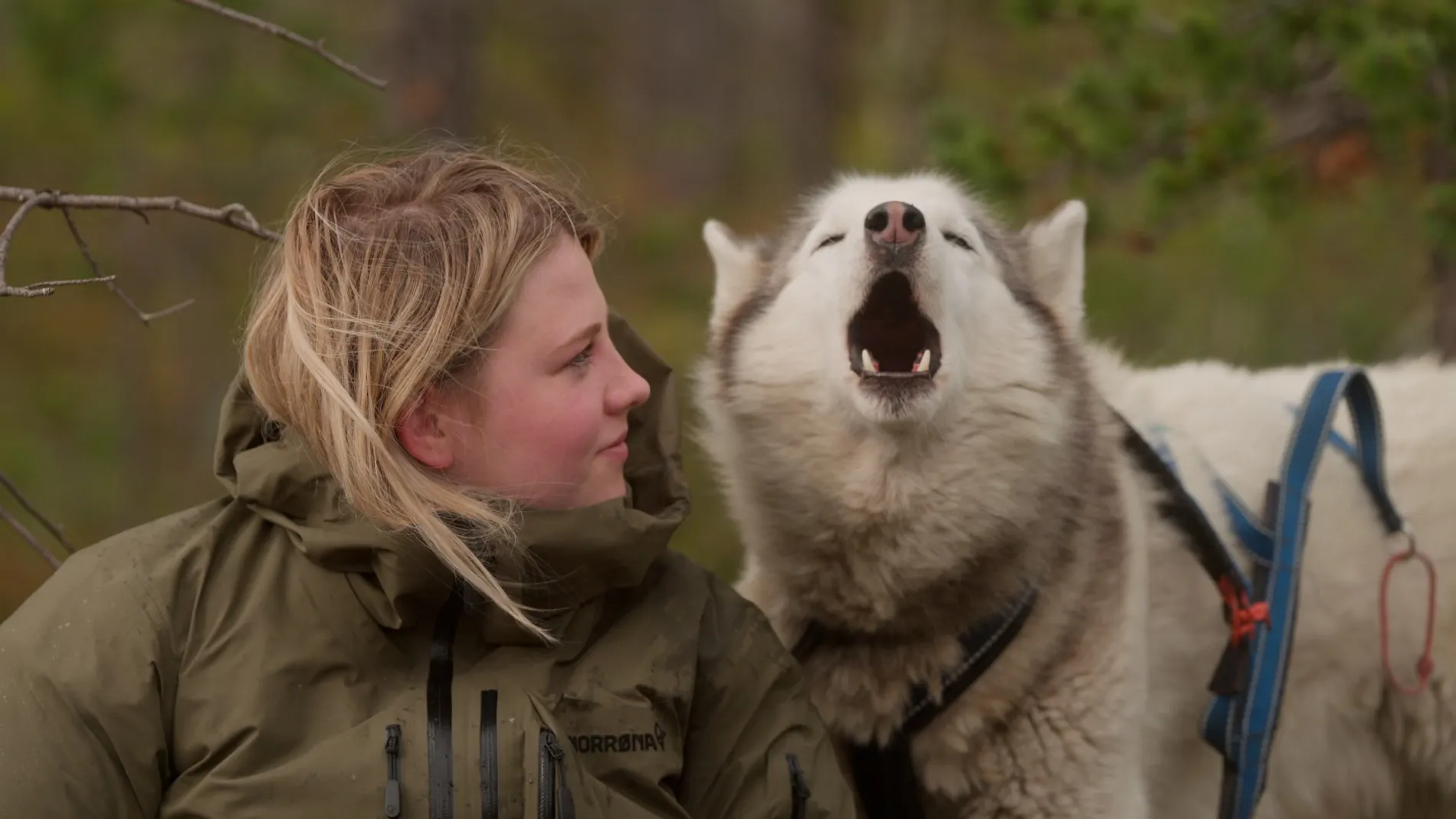
One of the film’s central figures, 19-year-old Hege from Sandnes, embodies the struggles of her generation. Overwhelmed by constant online comparison and social anxiety, she finds herself in Pasvik, a folk high school 200 miles north of the Arctic Circle. Here, instead of grades and exams, students learn skills once vital to survival: pitching tents in icy winds, navigating -30°C nights, and driving husky sleds across the frozen tundra. The school’s ethos is simple — “Give yourself a fire, a dog, and the starry sky.”
As the months pass, Hege spends longer stretches without checking her phone. Dog sledding through the snow becomes her therapy, a moment where body and mind move in perfect harmony. For directors Ewing and Grady, the school’s philosophy was a revelation compared to the outcome-driven American education system. In Pasvik, there are no tests, only character-building challenges and social growth — activities that may never directly boost job prospects but could deeply shape young lives.
Rooted in the 19th-century vision of Danish pastor NFS Grundtvig, folk high schools champion inclusive, experiential learning over elitist academia. Across Europe, the model lives on in community learning centres and programs such as the Duke of Edinburgh’s Award. In Norway, they remain popular — 7,000 students attend annually — though government funding and incentives are under debate, sparking concerns about the future of this unique educational tradition.
Folktales captures transformative moments, like Dutch student Romain learning to build his own campfire under harsh conditions, discovering perseverance and self-reliance. Pasvik’s instructors encourage resilience, reminding students that shortcuts undermine growth. Such challenges, they argue, can alter how young people see themselves — and the world around them.
Whether the experience equips teens for modern life is debatable. As Ewing notes, they may not gain tech skills or AI expertise — but they might become “better human beings” who can stand firm under pressure.
In an era of fractured attention spans and digital burnout, Folktales offers a cinematic glimpse into a different path for youth — one lit by firelight, guided by sled dogs, and framed by the vast Arctic sky.